
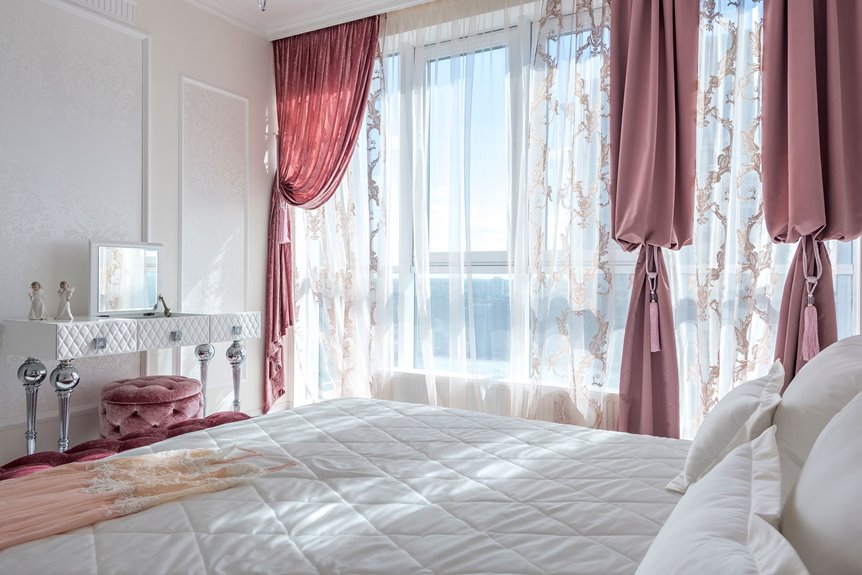
I call short curtains “sill-length,” “apron-length,” “café,” or “half-length” depending on exactly where they land, and I’ve hung all four in my own place, usually because a radiator, a plaster wall, or a tight budget left me no choice but to break the floor-length rule.
Sill-length grazes the window edge, apron-length dips just past it for a softer line, café curtains cover only the bottom half for privacy without blocking light, and half-length is the catch-all for anything that ends at or below the sill.
I learned these distinctions the hard way after ordering “short” panels online and ending up with fabric that hovered awkwardly mid-radiator, so now I measure twice, name precisely, and save 15-20% on fabric every single time.
These distinctions allow you to maximize fabric efficiency and solve common installation challenges in spaces with radiators or structural constraints.
Short vs. Long Curtains: When to Break the Floor-Length Rule
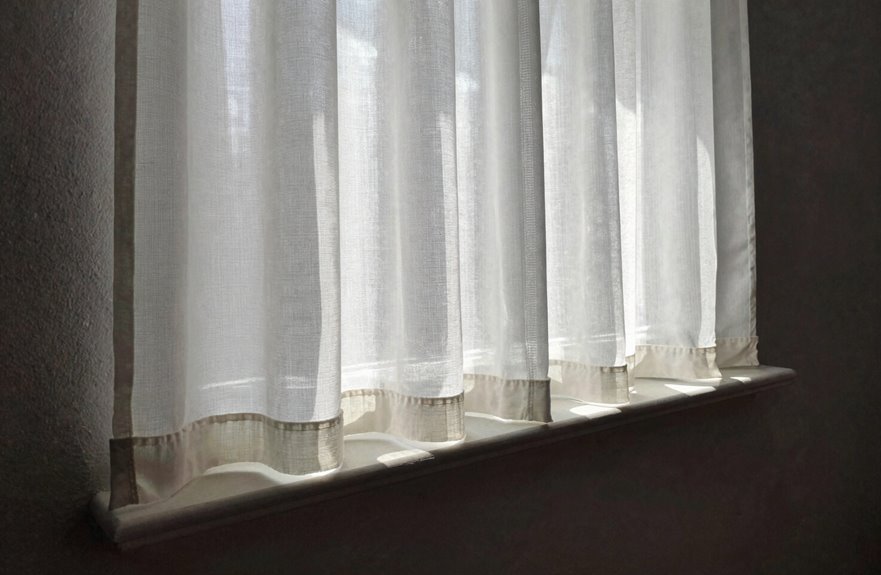
Why do we cling to floor-length curtains like they’re some unbreakable design law? I’ve broken this floor-length rule more times than I can count, and my windows survived.
Short curtains aren’t surrender; they’re strategy. When you’re wrestling with a radiator that hisses all winter, or plaster walls that crumble if you breathe wrong, that window treatment needs to work with your reality, not against it. I’ve hung short curtains in my breakfast nook, ending just below the sill, and the cozy cottage-core vibe works beautifully.
Sure, long drapes elongate ceilings, but short curtains give you light control without the drama. Pair them with rod pockets, add tiebacks, and you’ve got personality plus practicality. Your home should fit your life, not some magazine ideal.

Elegant Design: 2 panels per package. Each Blackout Curtain measures 52" wide x 54" long. The design of silver grommet (1.6-inch inner diameter) creates casual elegance for your house, which makes the curtains easy to install and slide.

READY MADE: The Blackout Short Curtains come in 2 panels. 6 silver rings with a diameter of 1.6 fit easily with standard curtain rods. Each panel is W42 x L36 + 1.2" header(The whole Length is 43.2" from the top to the bottom of the curtain).
The 4 Names for Short Curtains (And What Each Means)
I used to walk into a fabric shop and ask for “short curtains,” and the look I’d get suggested I’d made an odd request. But I’ve learned the terminology, and now I’m passing it to you.
Let’s decode these short curtains names so you understand what to ask for.
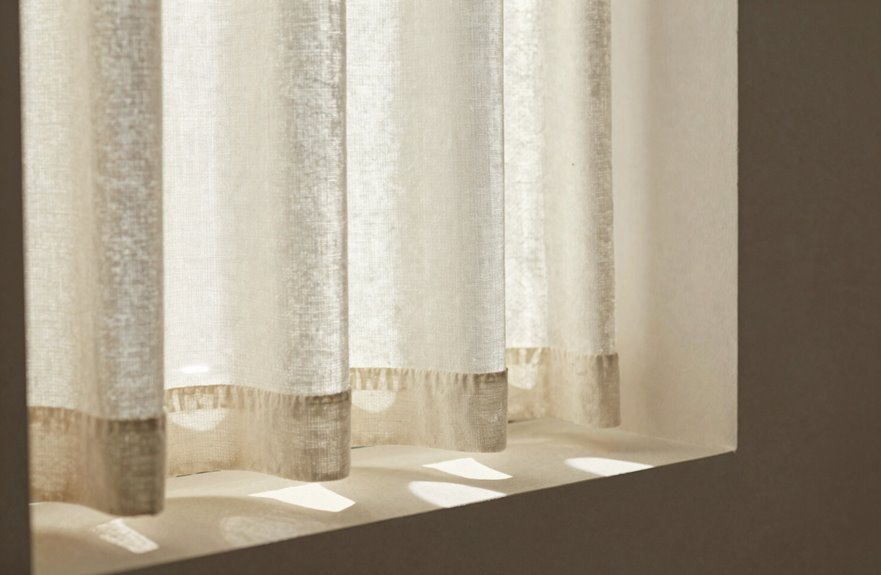
Half-length curtains are your classic compromise. They end at or just below the sill, perfect for radiators, pets, or creating an unfussy aesthetic.
Half-length curtains: the practical middle ground for radiators, pets, and effortless style.
Apron-length curtains dip a few centimeters past the sill, like a little hemline showing some ankle. They’re both functional and hide uneven trim effectively.
Café curtains cover only the bottom half, giving you privacy plus sunshine. They’re ideal for kitchens where you want both light and privacy.
Sill-length ones float right at that edge, barely kissing it. And “high-water” is insider slang for anything hanging above the floor, sometimes intentionally, sometimes as the result of miscalculation.

Size & Quantity: Each pack contains 2 tier curtains, each 30" wide and 36" long, total width is 60", total length is 37.5" including 1.5" header. The rod pocket applicable to curtain rods no wider than 1", the bottom hem rod pocket fits for curtain rods no wider than 1"

ELEGANT DESIGN: 2 panels per package. Each curtain measures 42" wide x 45" long when fully laid flat/unfolded. Silver grommet design (1.6-inch inner diameter) delivers casual home elegance, while enabling simple installation and smooth sliding of the curtains.

Sold as 2 PCS: Each pack contains 2 voile sheer tiers, each 38" wide and 36" long, total width is 76", total length is 37.5". The top 2" rod pocket makes curtains easier to hang or slide, suitable for curtain rods of most windows. 1.5" curtain header makes a nice decoration for your window.
Which Rooms Work Best With Short Curtains?
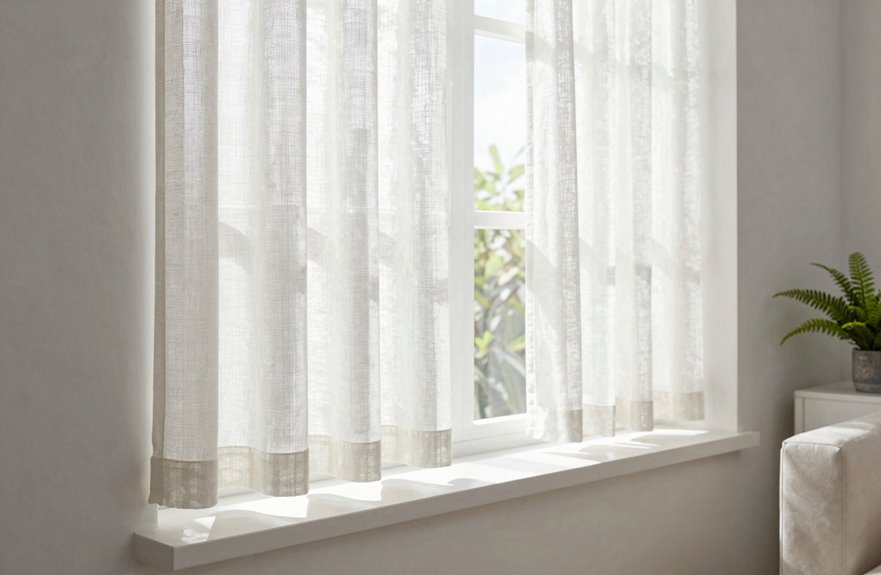
So where do these little curtain cuties actually belong? I’ve found short curtains work best in spaces where floor-length drapes would trip you up. My kitchen window sill became a cozy haven once I swapped bulky panels for breezy half-length ones.
| Room | Why It Works |
|---|---|
| Kitchen | No more fabric dangling near burners, hello cottage-core aesthetics! |
| Bathroom | Privacy without the mildew trap, especially over compact windows |
| Breakfast nooks | Built-in benches stay accessible, light pours in |
| Kids’ rooms | No climbing hazards, playful trims welcome |
Short curtains aren’t a compromise; they’re a choice. In my bathroom’s awkward compact windows, ending at the window sill kept everything proportional. These work anywhere you want that unfussy, collected vibe.

Rich Linen: The cross-woven design blended with real linen and polyester provides our natural linen curtain a unique subtle pattern compared with conventional plain curtain, which also makes these drapes soft and durable.
Rich Linen: The cross-woven design blended with real linen and polyester provides our natural linen curtain a unique subtle pattern compared with conventional plain curtain, which also makes these drapes soft and durable.

Decorative Door Curtains: Natural linen door curtains 40 inches long, designed for french doors, glass doors, sliding doors, folding doors, pocket doors, wooden doors, can bring both texture and elegance to your room, and perfectly blend in with your modern farmhouse, rustic, country, shabby chic, neutral, minimalist, classic, costal room style.
How to Choose Headers and Rods for Short Curtains
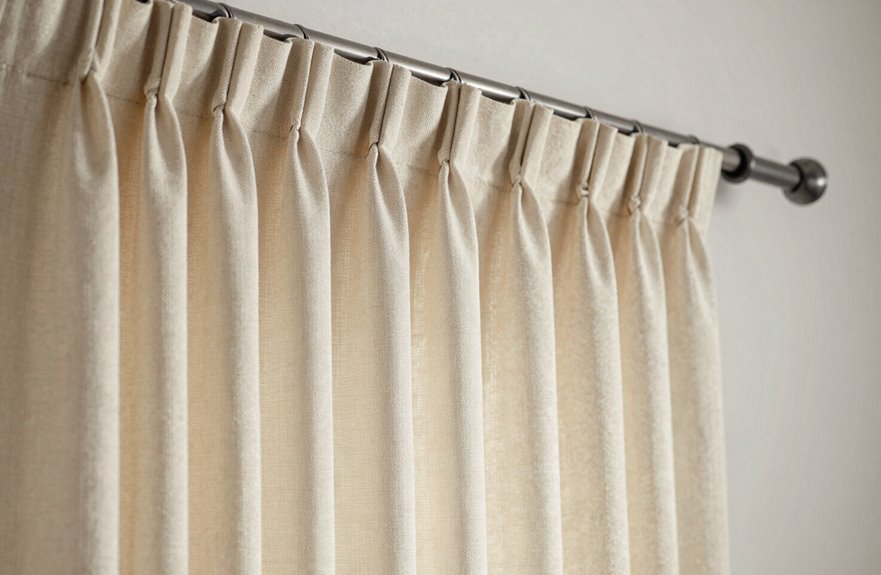
Picking the right header and rod can make or break your short curtains. After installing and removing three wrong setups in my guest bathroom last spring, I learned this firsthand. For casual vibes, rod pockets or tab tops work well because they’re forgiving and flexible without demanding perfect measurements. For a more formal look, pinch-pleat header types with rings transform even sill-length panels into something magazine-worthy.
Curtain rods matter significantly. Stained wood warms up a room, while sleek metal keeps things modern. Return brackets hugging stained trim create a polished finish. Florals work best with formal headers, while plaid café curtains suit tab-top styles. Wall-mounted brackets protect plaster walls, especially when avoiding obstacles like ancient radiators.
Your choice of header and rod will directly impact both the function and appearance of your short curtains.

100% Blackout Curtains: Our Blackout Curtains ensure a completely dark room, isolate noise and protect privacy. These room darkening curtains can block 100% sunlight.Heavy duty curtains keep heat indoors in winter and discharge heat in summer, thereby reducing cooling and heating costs , While protecting your furniture, floors and artwork from the sun damage

Sold in pairs: Each set contains 2 room darkening curtains. Individual panels measure 40 inches wide by 63 inches long, creating a combined width of 80 inches when hung together. These black out curtains feature dual hanging methods (rod pocket and clip-on style). To ensure a perfect fit, it’s advisable to measure the window dimensions first

Premium Triple-Weave Fabric: Sold as 4 panels (W37" x L63" each, 148" total). Crafted from 225 GSM triple-layer weave with black yarn interlayer – ensuring excellent light-blocking, durability, and same color on both sides. The classic rod pocket design allows for quick, tool-free installation and provides a clean, full-coverage drape that minimizes edge gaps.
How to Layer Short Curtains With Blinds and Shades
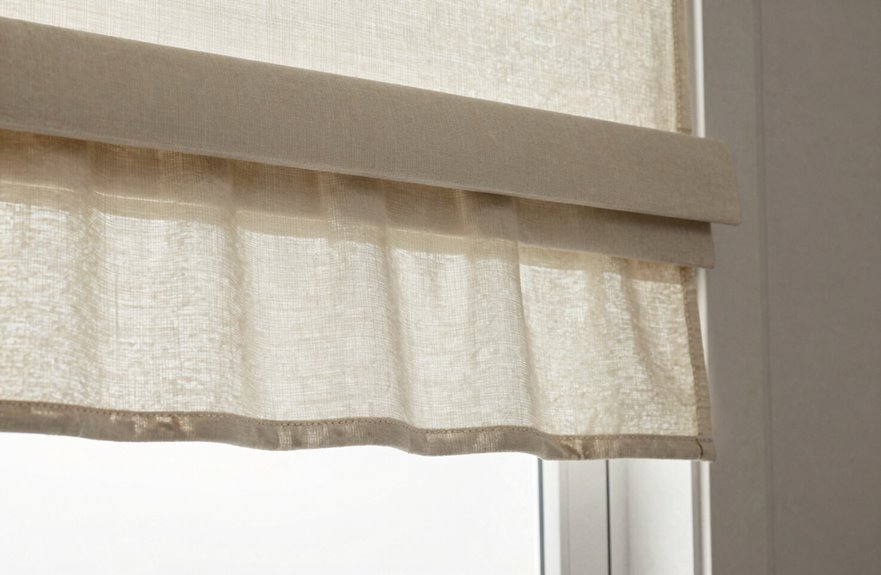
Why layer short curtains with blinds and shades? You get that soft, styled look plus serious light control without blocking radiators or trim.
Hang sheer short curtains closest to the glass, then add an opaque roller shade behind. This provides privacy when you need it and glowy daylight when you don’t. Rod-pocket styles work best with slim, low-profile blinds, as bulk creates visual conflict at your sill.
Match your fabric hue to the shade to maintain a cohesive appearance. Measure twice to ensure that header depth plus shade doesn’t exceed your reveal or contact the radiator. Window treatments should work hard and look effortless, as though you planned it all along.

Upgraded New Style. Hand-woven, very Soft, and good feeling. Not easy to get off the line. strong and not easily worn or pilling. Do not damage your curtains. Offers a modern and the most convenient way to clip your curtains.

【CURTAIN TIEBACKS SIZE】The length of each curtain rope is 67cm/26.37inches, width 1cm/0.39 inches, set of 4 PU curtain tiebacks. When you open the curtains, you can let the sunlight in, adding retro and elegant visual sense to your room

MACRAME TIE BACKS - Our boho curtain holders are crafted with a unique braided design, combining rustic wood bead with natural cotton woven leaves, not only can fix our curtains, but also add a touch of bohemian style to your home outdoor indoor decorations
Where to Buy Short Curtains That Actually Fit
I’ve hunted high and low for short curtains that don’t look like sad, shrunken afterthoughts. Semi-custom retailers are where the magic happens. You punch in your exact drop, say 45 inches for that stubborn bathroom window, and you get no more awkward puddling or high-water hemlines that make you cringe.
Vintage and secondhand shops deserve consideration as well. I’ve scored linen café curtains with hand-stitched hems for twelve dollars. These secondhand options offer both affordability and authentic craftsmanship that new mass-produced curtains rarely match.
Semi-Custom Retailers
Where exactly do you hunt down short curtains that don’t look like sad, chopped-up afterthoughts. I’ve been there, staring at my windows wondering how to improve the space. Semi-custom retailers offer window coverings that actually fit your needs.
Ready-to-measure shops like Twopages let you avoid awkward hems. You pick your length, whether above-the-sill, apron, or whatever your windows require, and they handle the rest. No full custom price tag and no DIY disasters.
Online mills and outlets like The White Window sell surplus bolts in breezy cottons and linens. You can mix rod pockets with ring headers until the combination matches your aesthetic. Semi-custom retailers provide options that fit specific window requirements without the expense of fully custom solutions.
Vintage & Secondhand
Semi-custom shops are great when you want something made fresh, but some of my favorite short curtains came to me already loved, already lived-in, with stories stitched right into the hem.
I hunt for half-length and sill-length vintage curtains at estate sales, those dusty treasure chests where someone’s grandmother’s kitchen textiles wait for you. Online dealers like Trad Chap Antiques list authentic finds: apron-length panels with faded florals, rod-pockets worn soft from years of use. Secondhand curtains need inspection, sure, but a loose hem is fixable, and you’ve joined a lineage of caretakers.
Mills sometimes sell surplus remnants perfect for repurposing. I’ve added vintage trim from specialty outlets to coordinate mismatched panels into something that feels collected, not random. Your windows deserve that lived-in soul.
How to Save Money on Custom Short Curtains
I’ve spent too much cash on custom curtains that missed the mark, so now I hunt surplus mill bolts with tiny flaws. That quarter-inch snag hides perfectly behind my couch. For my kitchen cafe curtains, I splurged on a gorgeous linen for just the bottom band, then paired it with cheap cotton up top, and nobody can tell it’s not all luxury fabric. You don’t have to do every window at once. I’m still using sheer voiles in my bedroom while I save up, and that breathy, layered look works as an intentional design choice.

Size & Quantity: Each pack contains 2 tier curtains, each 30" wide and 36" long, total width is 60", total length is 37.5" including 1.5" header. The rod pocket applicable to curtain rods no wider than 1", the bottom hem rod pocket fits for curtain rods no wider than 1"

READY-MADE SIZE & BACK TAB HANGING: Includes 2 curtain panels, each measuring 38"W x 45"L, for a total width of 76 inches. Hidden back tabs fit most standard curtain rods up to 1.5 inches in diameter, creating soft, even folds and a clean, tailored look.

Ready Made & Perfect Size: Package includes 2 linen kitchen curtains, each measuring 26"W x 36"L (52"W for pair), perfectly designed for small windows and kitchen window over sink. The open weave linen blend fabric creates a naturally draped look that feels soft, airy, and elegant
Budget-Friendly Fabric Sources
A bolt of sunshine-yellow linen, snagged for £14 a metre at a dusty mill outlet near Manchester, changed my approach to dressing small windows.
For short curtains, semi-custom doesn’t mean semi-special. Budget-friendly sourcing starts at fabric outlets, those dusty treasure troves where surplus bolts hide at £12 a metre. You’ll find deadstock velvet, remnant ticking, all perfect for smaller drops that need less yardage anyway.
Online shops like Twopages cut semi-custom panels specifically sized for short windows, so you’re not buying extra fabric you’ll never use. Cheaper base cloth with a smart trim delivers results. Pairing plain cotton with a velvet ribbon header produces a polished look at minimal cost.
Strategic Length Choices
Why does an inch of fabric matter so much? Because that inch decides whether your short curtains look bespoke or botched. Semi-custom shops understand this. I learned the hard way when I hemmed too long and my “cafe curtain” became a sad apron.
Here’s my budget-friendly truth table for nailing curtain length without draining your wallet:
| Length Strategy | Cost Impact | My Honest Take |
|---|---|---|
| Exact short drop | Saves 15-20% fabric | Worth it, no bunching! |
| Semi-custom panel | Half bespoke price | Best secret ever |
| Surplus mill fabric | 60% off retail | Dig through bins, find gold |
| Leading-edge + cheap trim | Looks luxe, isn’t | I do this constantly |
| Allocate splurge to cushions | Cohesive, smart | Your guests will never know |
Pairing affordable panels with pricier trims creates a polished look without the premium price tag. The strategic use of trim hides imperfections in lower-cost fabric while maintaining visual impact.
Mix-and-Match Methods
Once you’ve nailed that perfect length, the real fun starts: mixing, matching, and making it look like you spent a fortune when you absolutely didn’t. Budget custom short curtains aren’t about compromise; they’re about clever strategy.
- Scour those northern English mill outlets for surplus fabrics that offer genuine value when you find them
- Layer a cheap linen curtain with that velvet remnant you hoarded (we all have one)
- Sew vintage trim onto plain panels. This technique produces noticeably transformative results
- Hunt second-hand treasures and tailor them to your exact length, giving forgotten beauty a second life
TwoPages changed my game: semi-custom short curtains that fit precisely, no radiator wrestling required. Mix-and-match isn’t settling. It’s a practical approach that delivers measurable results.
Short Curtains for Tricky Windows: Radiators, Plaster, and Trim
How do you dress a window when the wall itself seems to fight back? Staring at a radiator that blocks floor-length curtains, or plaster walls that crumble with too much pressure, requires a different approach. Short curtains, also called apron curtains, end right at or just below the sill, and they solve these stubborn problems effectively.
| Problem | My Short Curtain Fix |
|---|---|
| Radiator blocking the way | End above it, let heat flow free! |
| Plaster walls that crack | Skip high rods, keep hardware low and gentle |
| Window trim I want to show off | Frame it, don’t bury it |
| Small space feeling cramped | Tidy headers, tiebacks, done |
Pairing rod pockets with tiebacks creates a polished appearance. Matching fabrics to adjacent rooms provides visual continuity without feeling coordinated. You get privacy, light control, and your window trim remains visible. These solutions work because they respect the structural limitations of your space while maintaining aesthetic appeal.

Each package includes 4 black blackout curtains, each measuring 30 inches wide by 24 inches long.This ultra-soft and durable curtain features a special triple-weave technology. Black yarns are woven between two colored yarns, ensuring that the curtain blocks out most sunlight. These 24-inch short blackout curtains are ideal for kitchen areas (including above sinks and kitchen windows), bathroom and basement windows, as well as small spaces like bunk areas, RV windows
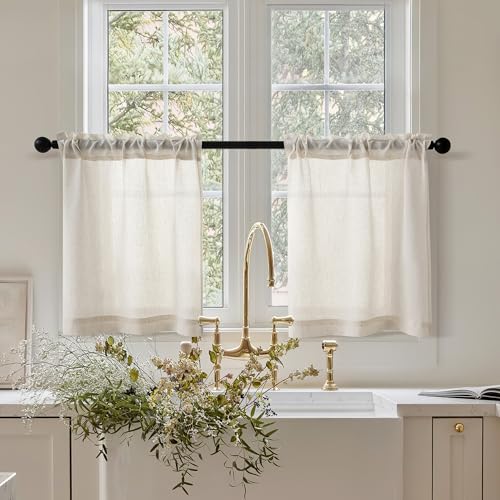
Natural Linen Blend: Our short linen curtains are crafted from a mix of natural linen and polyester fabric, which offers a blend of durability and natural aesthetics. The flax linen textured surface brings a cozy feeling and a touch of sophistication. The poly-linen combination is a more cost-effective option, with a long-lasting quality and wrinkle resistance
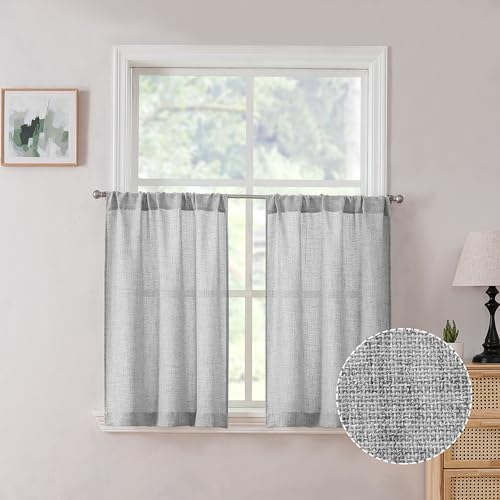
Rich Linen: The cross-woven design blended with real linen and polyester provides our silver grey linen curtain a unique subtle pattern compared with conventional plain curtain, which also makes these drapes soft and durable.