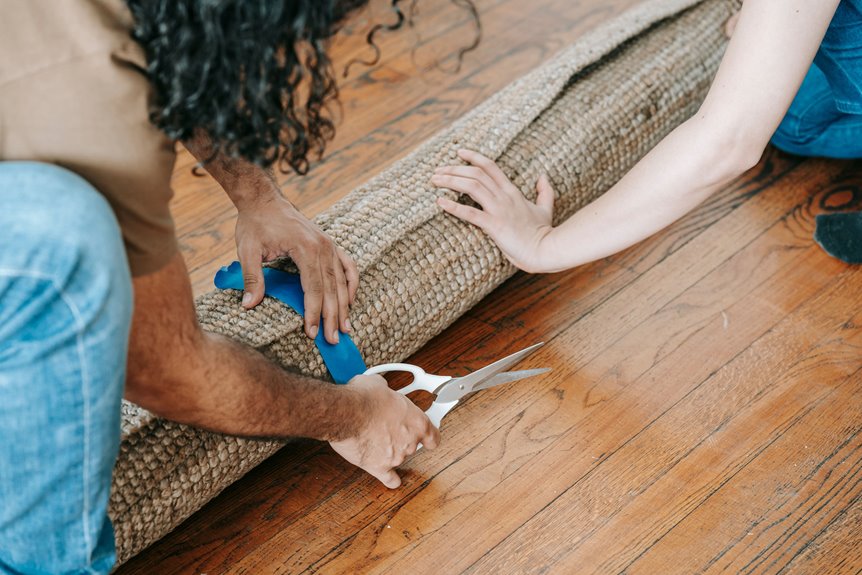
I’ve rescued carpets from glue disasters more times than I can count, including my own craft mishaps. First, soften that stubborn blob with gentle heat using a brown paper bag underneath and a thin cloth on top. Then lift slowly with a plastic knife without yanking.
Next, use a vinegar mix of equal parts warm water and white vinegar, dabbed from edges inward, letting it sit before blotting. For stubborn remnants, acetone works but only after a patch test and with proper ventilation. Rinse thoroughly and air-dry completely. When stains persist despite these efforts, contact a professional carpet cleaner. These steps provide the most effective approach to removing dried glue from carpet.
Soften Dried Glue on Carpet With Gentle Heat
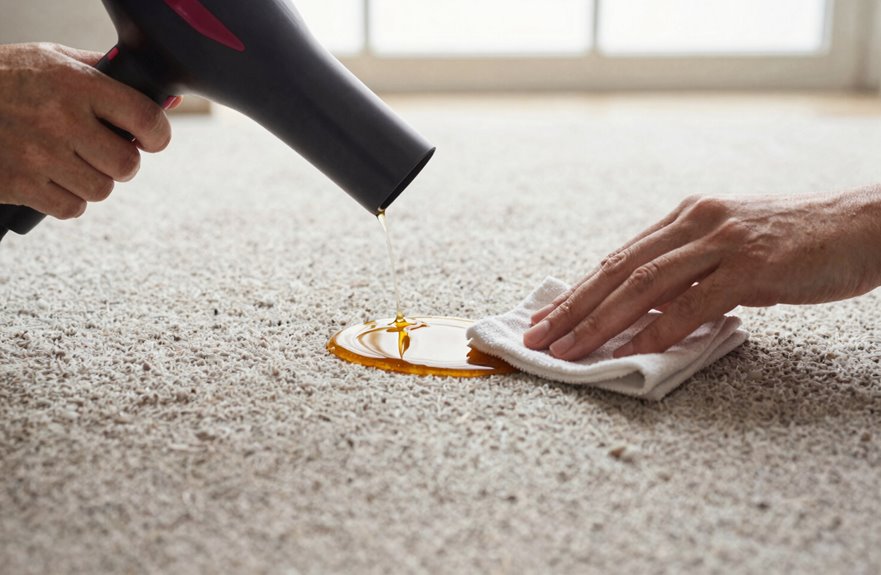
How do you tackle that stubborn, crusty blob of glue on your living room floor. Dried glue on carpet requires a specific approach to remove it effectively.
First, soften that stubborn mess with gentle heat. Avoid direct heat that could damage the fibers. Grab a heat bag or an iron set to low. Layer a brown paper bag beneath the glue, cover with a thin cloth, and press briefly. The paper absorbs the softened glue through transfer. Prolonged heat pushes the glue deeper into the carpet fibers. After this step, you can move through additional cleaning steps. The heat method significantly improves your ability to remove dried glue from carpet.
Hot Melt Technology for Extra Sticking Power. Get a rug holder that will finally do its job! Our hot melt double stick carpet tape is highly adhesive compared to acrylic tapes. It offers an outstanding holding power to fix your rugs, runners, carpets, or other stuff you want to keep in its place. Because of increased tensile strength, our two sided carpet tape will be doing its sticky job for 6 months and more.

Thick Spray Gel for adhesives: Goo Gone Adhesive Remover Spray Gel, which won a 2026 Good Housekeeping Cleaning Award, clings to surfaces to dissolve tough sticky messes like glue, stickers, labels, tape residue, gum, grease, wax and decals. The gel formula & glue remover works quickly to loosen adhesives for easy wipe-away cleanup.

Thick Spray Gel for adhesives: Goo Gone Adhesive Remover Spray Gel, which won a 2026 Good Housekeeping Cleaning Award, clings to surfaces to dissolve tough sticky messes like glue, stickers, labels, tape residue, gum, grease, wax and decals. The gel formula & glue remover works quickly to loosen adhesives for easy wipe-away cleanup.
Lift Softened Glue With a Blunt Edge and Paper
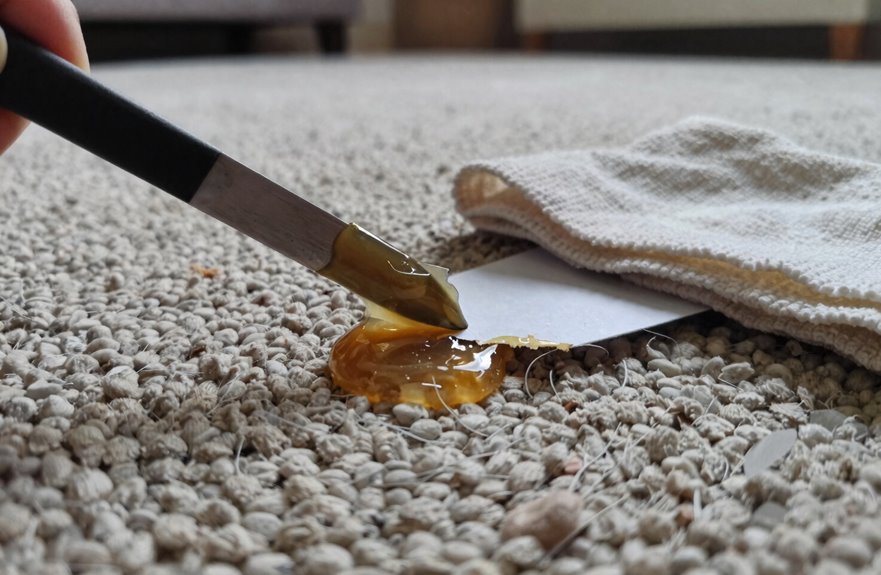
Now that the glue’s soft and pliable, I’m grabbing my trusty plastic knife (yes, the same one I took from my last takeout order) and gently working that edge under the gooey mess. I scrape upward, slow and steady, letting the blunt edge loosen that softened adhesive without yanking my carpet fibers into a frayed nightmare. That blob lifts cleanly.
Next, I press a brown paper bag flat against the remaining glue, hold firm, and lift. Watch the adhesive transfer onto the paper. If that dried glue gets stubborn and re-hardens, I re-soften and repeat. This requires multiple attempts sometimes.
| What I Felt | What I Did | Why It Mattered |
|---|---|---|
| Panic seeing the glue | Grabbed my plastic knife | Saved my carpet from ruin. |
| Hope when it lifted | Used brown paper bag | Transferred adhesive away. |
| Relief, finally clean | Scraped gently, repeatedly | No torn fibers, no regrets. |
| Pride in my hack | Kept re-softening | Persistence produces results. |
| Belonging in this mess | Shared my story | We’re in this together. |
Stop before the vinegar step; you’ll get there.
Permanently Removes Dirt :Our Encapsulating Chemistry Surrounds Dirt so it Cannot Reattach to Carpet.

Attack Tough Stains & Stink: Enzyme-powered concentrated powder turns into a high-performance liquid cleaning solution. Cuts through pet messes, spills, and mystery smells fast.
Dissolve Remaining Glue With a Vinegar Solution
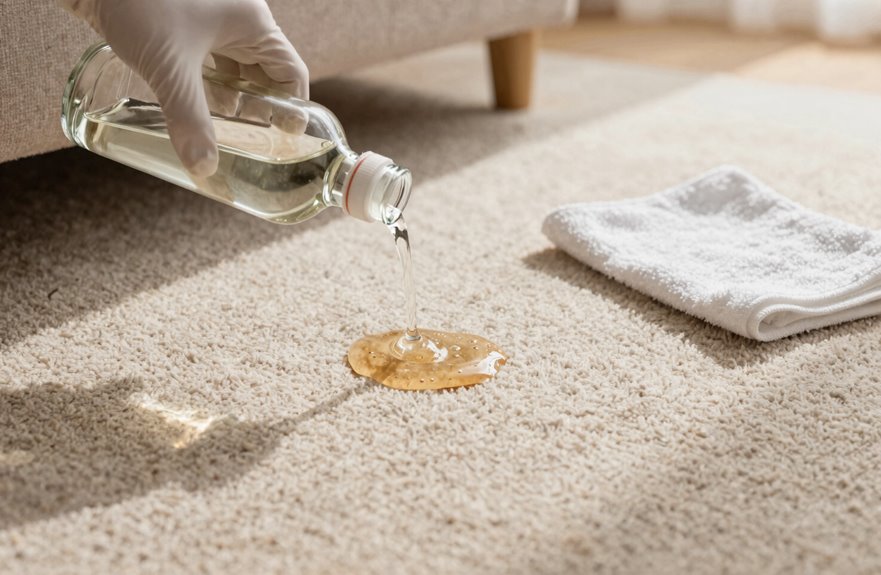
Why stop at halfway clean when I’ve got vinegar in my pantry and a mission to finish strong. I mix warm water and white vinegar in equal parts to create a vinegar solution that dissolves glue effectively. No fancy chemicals needed, just pantry staples and determination.
I dampen my cloth, then dab from edges toward that stubborn carpet stain, working methodically so I don’t spread the mess. I let that vinegar solution sit for twenty solid minutes, watching it seep into dried glue and break down the adhesive bonds.
Then comes the satisfying part: blotting, pressing, and repeating. I blot and lift, rinse with warm water, and watch as residue disappears. That rhythmic motion and gradual reveal make the process effective. Finally, I rinse again and pat dry to complete the removal.
WORKS WELL: The ink and stain remover works on the toughest stains; from inks and ballpoint to gel, permanent marker, wine, grass, blood, grease, coffee, baby formula, food, and more.
Reliable Cleaning: The Medline Adhesive Remover Pads are a reliable choice for health care and medical cleaning supplies
Powerful Carpet Paint Remover – Effectively removes dried and fresh latex paint, acrylic spills, and stubborn stains from carpets.
Blot From the Outside Edge Toward the Center
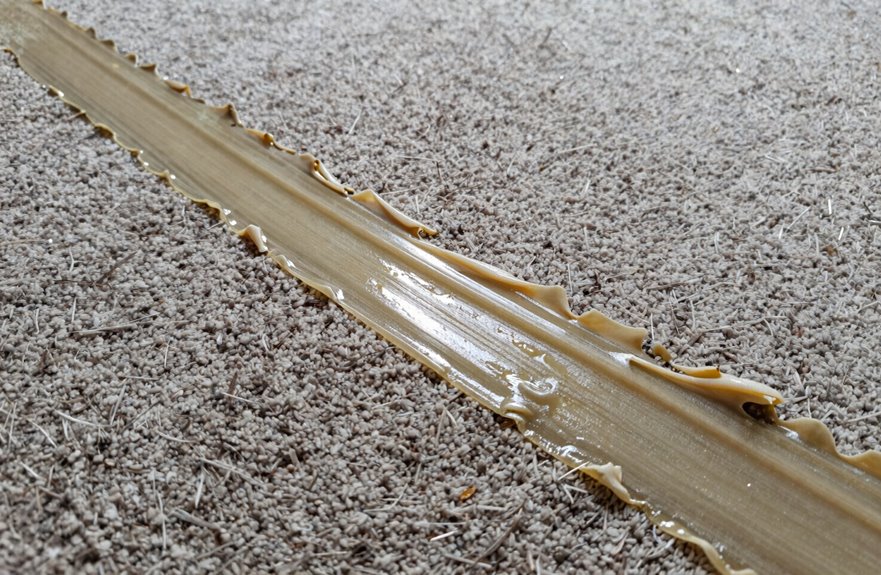
That vinegar solution did its job breaking things down, but I learned the hard way that enthusiasm without technique causes problems. I once scrubbed a dried glue blob like I was polishing a trophy, a big mistake. The carpet stain tripled, my ego cratered.
Now I blot from the outside edge toward the center, always. Think of it like coloring inside the lines, except you’re keeping disaster contained. Each blotting pass gets a fresh absorbent cloth. No re-depositing old gunk. I press, lift, toss, repeat. Only after I’ve conquered the bulk do I introduce solvent or warm water. That residue transfer moment, when the cloth finally comes up clean, indicates the stain has been fully removed.

Rinse and Dry Your Carpet Thoroughly
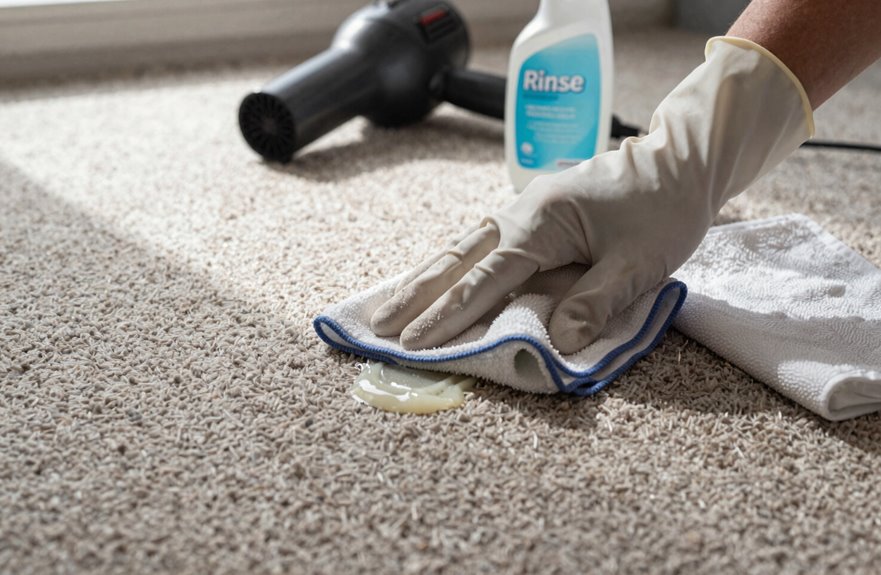
Warm water and patience work together to remove adhesive residue. Dampen the spot and let the moisture seep into every fiber. You’ll see the residue soften as the carpet absorbs the water. Blot with a light-colored cloth to transfer the loosened adhesive. Reapply water, press down, and wait. Continue blotting until no more transfers appear on the cloth. This process gradually reveals cleaner fibers.
| What I’m Doing | What You’ll See |
|---|---|
| Dampening with warm water | Glue softens, carpet plumps |
| Blotting, reapplying pressure | Faint tan smears appear on cloth |
| Pausing, breathing, repeating | Gradually cleaner fibers emerge |
| Final press, stepping back | Satisfying patch of progress |
To prevent re-wicking, air-dry the carpet completely. Avoid walking on the area while it dries. If carpet stain removal stalls, professional cleaning may be necessary. This approach prevents moisture from being reabsorbed into the carpet fibers later.
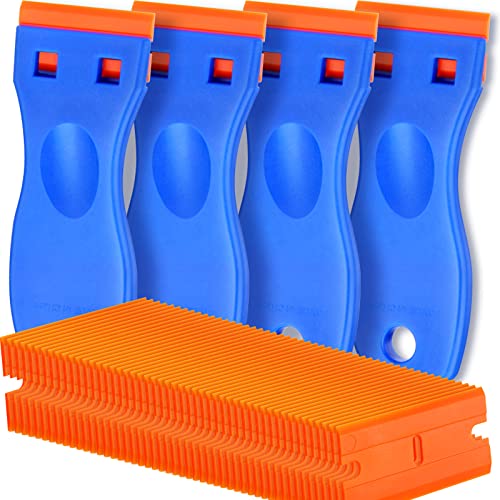
A VERSATILE TOOL: Scraper tool is ideal for removing vinyl, debris, decals, sign, glue, stickers, labels, grease and paint from glass, walls, appliance, metal, oven and more. These plastic scrapers work great for removing labels, dripped wax, and even melted plastic from 3D printer beds. You'll find the scraper tool a useful little tool. Very handy
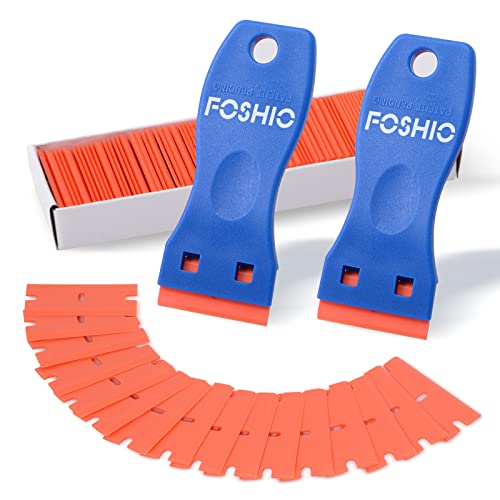
Plastic scraper set include 2pcs plastic scraper and 100pcs double edge plastic razor blades

WHAT YOU GET: The 6 plastic scrapers come with 60 extra plastic blades. Enough quantity and complete set to meet your daily needs and replacement
Remove Stubborn Glue Residue With Acetone
I’m about to get real with you about acetone safety precautions because I learned the hard way that this stuff’s no joke. Always test it on a hidden patch first, like that corner behind your couch where the cat already destroyed things, so you don’t end up with a bleachy ghost spot on your surface.
Once you’ve got the all-clear, grab a cotton ball, soak it in acetone, and press it onto that stubborn glue like you’re trying to transfer maximum pressure directly into the fibers. Watch the edges go soft and gummy.
You’ll repeat this glue softening process, reapplying acetone as it lifes, and yes, your fingers might cramp. The satisfying peel when the glue finally surrenders is worth the effort.
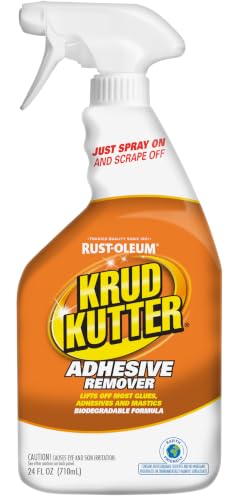
LIFTS TOUGH ADHESIVES: Removes most glues, adhesives, mastics, and sticky residue to help simplify cleanup during remodeling, repair, restoration, and surface preparation projects. The powerful formula helps loosen stubborn adhesive buildup for easier removal

FAST ACTING SPRAY GEL STRIPPER - Does the work of several products in one removing Glues, Adhesives, Decals, Stickers, Tape and Sticky Residues, Tree Sap, Gum and More!
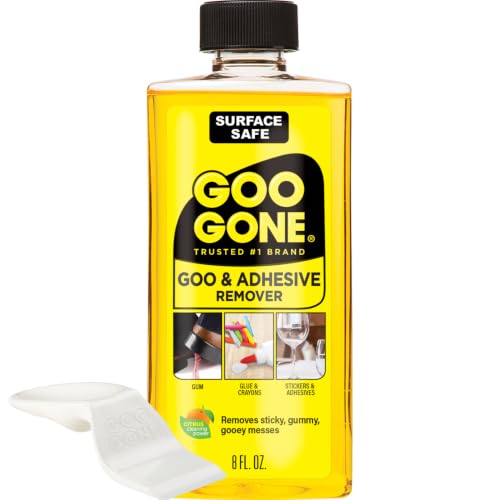
#1 TRUSTED BRAND FOR REMOVING GOOEY MESSES: Try it on stickers, wax, markers, crayons, glue, tar, window decals, glitter, gum, labels and so much more
Acetone Safety Precautions
So, you’re staring down that crusty glue spot that’s resisting everything else you’ve tried. Acetone is the most effective residue removal solvent, but it demands respect. For acetone safety during carpet glue removal, crack a window, turn on a fan, and get that ventilation going because these fumes are hazardous.
Here’s my battle-tested routine. First, patch test always. I learned the hard way when my patch test saved my vintage shag from disaster. Dab acetone on a hidden corner, wait, and check for color fade test results. No bleeding. We’re good. For upholstery cleaning and stain removal, gentle solvents rule, but acetone’s the exception that proves it. Soak a cotton ball, press gently without drowning the fibers, and let that blotting technique lift the gunk. Never mix with bleach or ammonia; chemical reactions can produce toxic fumes. Solvent precautions prevent accidents and keep your DIY projects safe.
Glue Softening Steps
Now that we’ve got our safety bases covered, let’s get that glue moving. I’m grabbing a cotton ball, soaking it in acetone, or nail polish remover from your bathroom cabinet, and pressing it right onto that stubborn dried glue. Patience is essential. I cover it with a saturated cloth for at least ten minutes, letting that solvent treatment work. Ventilation’s key; crack a window to avoid headaches. For carpet safety, I’m testing that acetone on a hidden patch first, because faded fibers will damage your carpet. Once that glue softening kicks in, I saturate a clean cloth with warm water and start blotting, transferring that gunk away. Rinse, repeat, breathe. Your carpet stain will come clean with this method.
Call a Professional for Set-In or Large Stains
If I’ve scrubbed until my wrist aches and that stubborn glue blob still stares back at me like a dried-up lake of bad decisions, it’s time to call in the pros. A professional service saves my carpet fibers from well-meaning but destructive enthusiasm.
For any set-in stain, I should contact a carpet cleaning expert. They’ll identify the glue type, whether craft, wood, glitter, or another substance, and select the appropriate removal method. Options include solvent-softening, hot water extraction, and specialized tools.
Professional services handle the staining risk during glue removal and correct any botched remediation attempts. My carpet gets restored and potential damage is prevented. No shame in knowing when to call for backup.