
A farmhouse sink spans materials from stainless steel and fireclay to copper and matte black, and the width determines the cabinet size you’ll need before you order.
The deciding factor is whether you need the deep single basin for large pots and baking sheets or whether you’re willing to trade some of that depth for a double-bowl layout that lets you soak and rinse at the same time.
Fireclay weighs enough that the cabinet base needs reinforcement, and copper develops a patina that changes the finish as you use it.
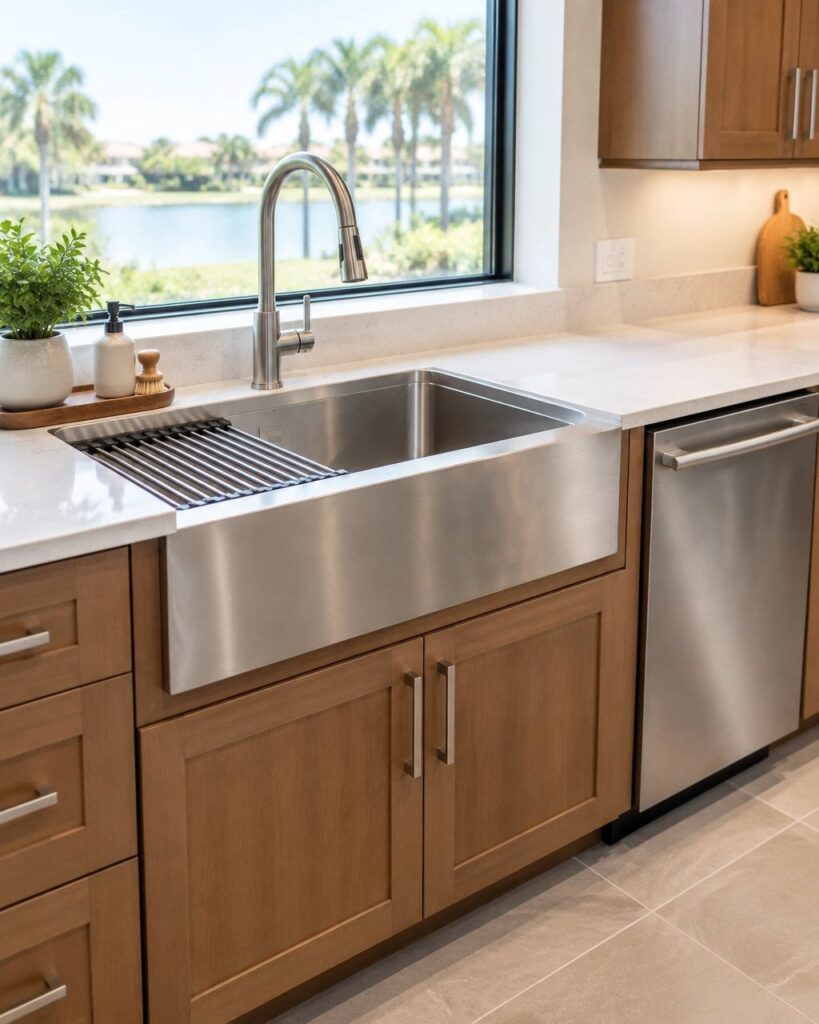
1. Stainless Steel Apron Sink
Stainless steel brings the apron-front profile into a more contemporary kitchen without the weight of a white ceramic basin. The material is lighter, easier to install, and usually costs less than fireclay or cast iron options.
I like it when the rest of the kitchen leans modern or when you want the farmhouse silhouette but not the traditional farmhouse look.
Stainless hides water spots better than white shows stains, and it takes impact without chipping. Stainless is louder under running water unless you choose a model with sound-dampening pads on the underside.

SUPERIOR DURABLE FIRECLAY SINK: TUKTUK white farmhouse sink is a fireclay sink that is a type of luxury ceramic sink made from a high-end quality material of clay, fired at an extremely high temperature, resulting in the apron farm sink for kitchen with a non-porous, durable and heat resistant finish, ensuring TUKTUK 33 inch farmhouse sink long-lasting beauty and easy maintenance. Our fireclay farmhouse sink not only have classic and timeless appearance, but also exceptional durability and resistance to scratches, stains, chipping and fading.

RETROFIT FARMHOUSE SINK, NO FULL REMODEL: Quick-Fit drop-in installs without countertop replacement or a cabinet rebuild; a small cut in the cabinet front is all it takes. Fits a 36-inch base cabinet. The free BILT app has 3D install instructions.
2. Double-bowl Farmhouse Sink
A double-bowl layout splits the sink into two smaller basins instead of one deep well.
That division lets you soak dishes on one side while you rinse vegetables on the other, but it also means neither basin can hold a full-size baking sheet flat.
I recommend this when you cook often and need the flexibility, but I skip it in smaller kitchens where a single bowl gives you more usable depth.
The divider sits at the midpoint, so each side gets roughly half the width. If you wash large pots regularly, a single bowl serves you better.
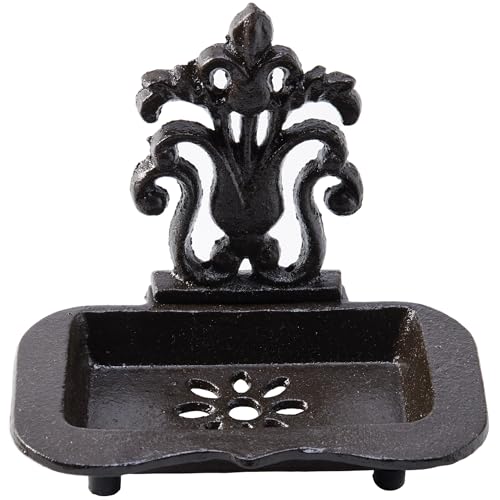
Vintage Cast Iron Soap Dish for Classic Farmhouse Style Made of durable cast iron with a distressed vintage finish, adding a rustic charm to any space.

Similar to the beautiful rectangular sinks of yesteryear, this American farmhouse classic is designed to resemble the cast iron sinks often found in kitchens of the 1920s

High Quality - The rustic soap dish is made of quality cast iron material, it't solid and sturdy, and heavy enough to stay in place and no worries about it breaking if it is dropped.
3. Matte Black Apron Sink
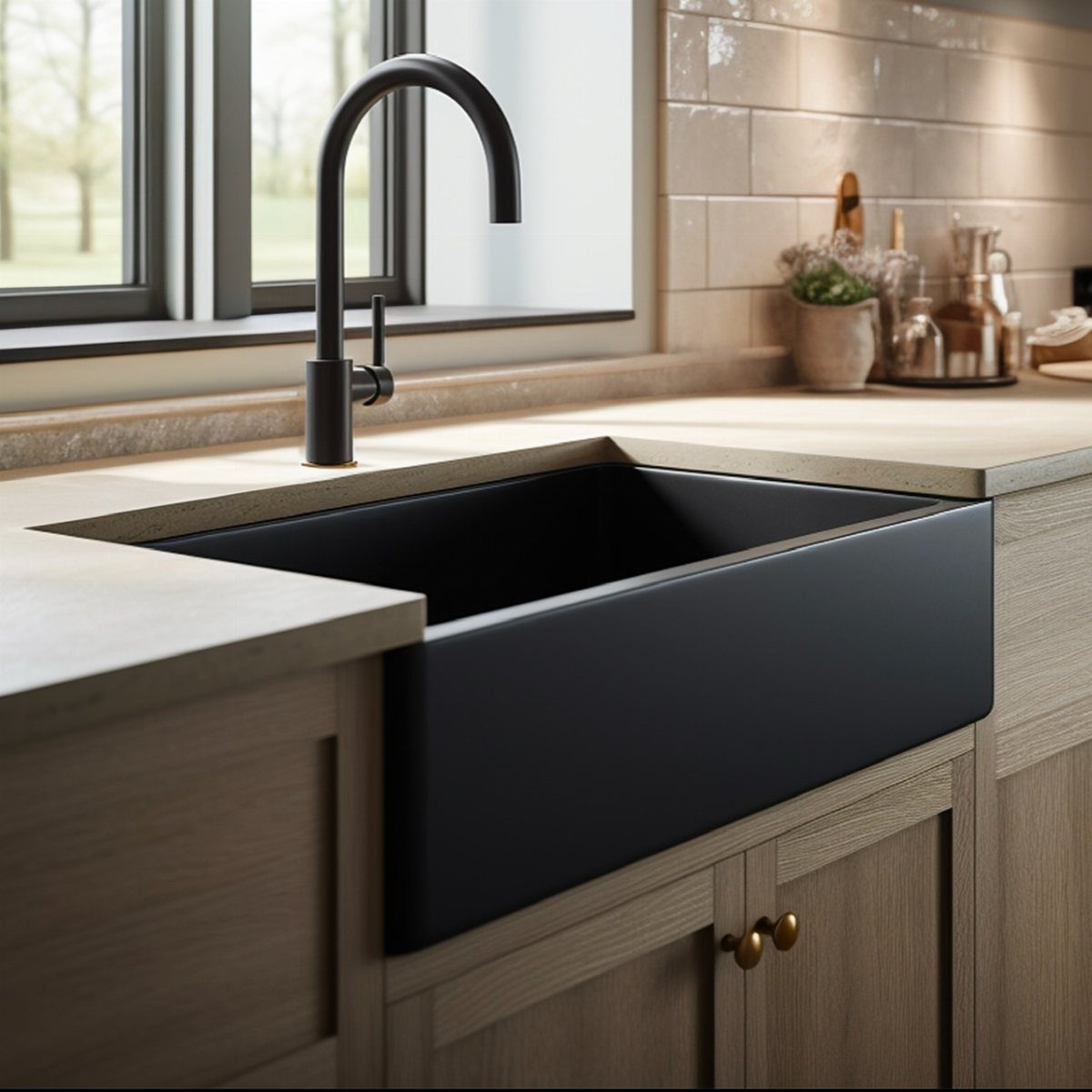
A matte black sink pulls the eye in a way white never will, and it works especially well when you want the apron front to feel less traditional.
The finish hides minor scratches and water spots better than polished stainless, but it shows soap residue and hard water streaks unless you wipe it down after each use.
I usually pair it with black or dark bronze hardware and lighter countertops so the sink reads as a deliberate accent instead of a dark corner.
If your water is hard, expect to dry the basin daily or see mineral buildup.

High Quality Fireclay Sink: The farmhouse sink is constructed from fireclay to ensure maximum durability and density. Fired in a kiln at between 2200°F and 2900°F over 22 hours. Extremely resistance to chip, discoloration, scratching, cracking and heating.

50/50 DIVIDE FARMHOUSE SINK: The double bowl farmhouse sink provides dedicated space for soaking, handwashing, drying, and stacking dishes. The 50/50 bowl ratio facilitates efficient zone based operation, streamlining your kitchen workflow.

33" DOUBLE BOWL FARMHOUSE KITCHEN SINK: This 50/50 split double kitchen sink is designed for seamless multitasking, perfectly fitting your daily kitchen workflow. Outer Dimensions: 33"W x 20" D x 10"H; Inner Dimensions: 30" W x 16.5"D x 10" H. The deep 10-inch basins of this farm style sink easily accommodate large cookware, making it an ideal large kitchen sink and deep kitchen sink for busy home kitchens, also works perfectly as a practical fregadero de cocina for daily use.
4. Apron Sink with Accessories
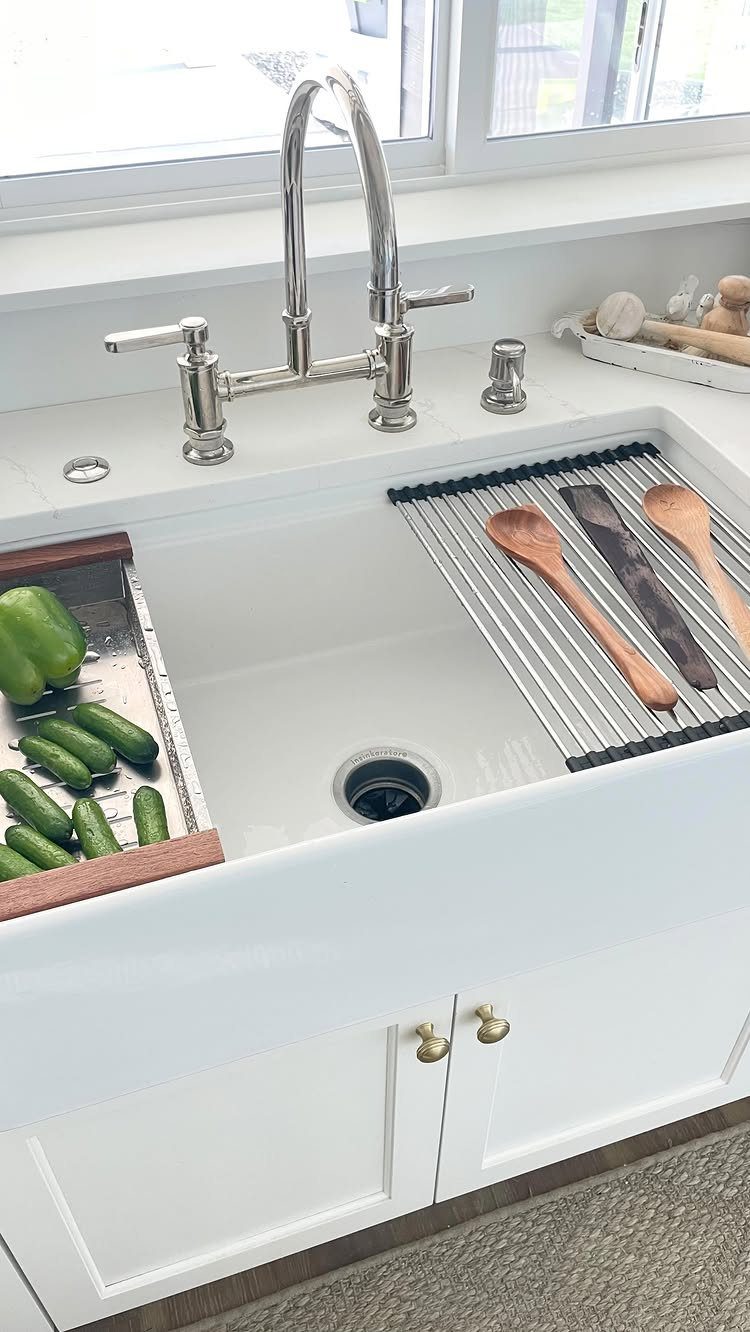
Sink accessories turn the basin into a prep station by adding a colander insert, a drying rack, or a cutting board that spans the top.
The pieces I use most often are sized to rest on the sink ledges so they stay in place while you work.
A colander lets you rinse produce without tying up counter space, and a drying rack keeps clean dishes off the countertop.
These accessories take up cabinet space when you’re not using them, so I recommend them only when you have room to keep them nearby and you actually prep food at the sink.

PERFECT OVER-SINK BOARD & COUNTERTOP EXTENSION – Measuring 12.6x22 inches, it fits standard sinks to expand your prep area. The detachable front lip ensures firm, non-slip grip on counter edges. Great for apartments, RVs, camper vans, boats and dorms with limited space.

✔️【Product Size】The cutting board measures 11"x17.7" and the drain basket measures 7.3”x7.3".

EXPANDABLE DESIGN FOR MAXIMUM VERSATILITY: Our bamboo cutting board expands from 22.8" to 34.2", accommodating both single sinks (less than 20") and double sinks (less than 31.4"). Perfectly fits various kitchen setups while saving counter space
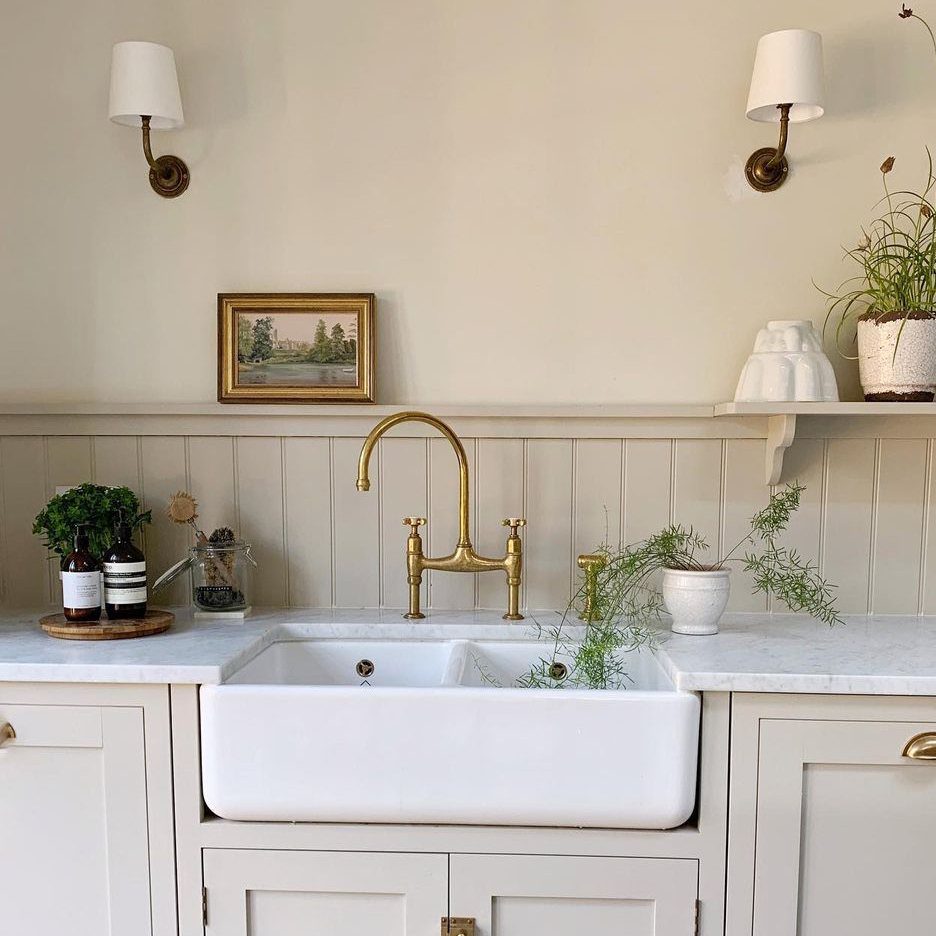
5. White Farmhouse Sink
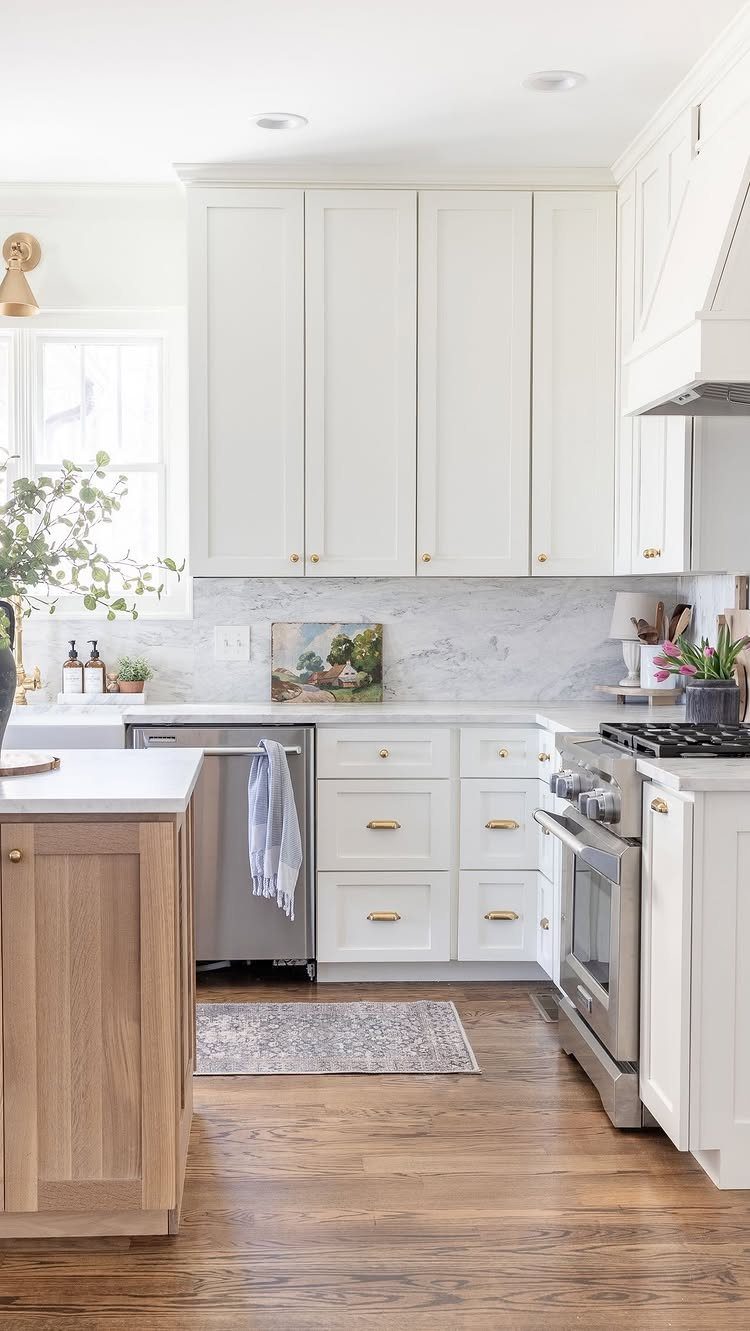
White fireclay is the material that defines the farmhouse sink look, and it still reads as bright and clean in a kitchen with white cabinets and marble counters.
The single-bowl layout gives you one deep basin that can hold a baking sheet or a stockpot without dividing the space.
Fireclay is dense and durable, so it resists chipping better than porcelain, but it’s also heavy and requires solid cabinet support underneath.
I like it when the kitchen already skews traditional and you want the sink to reinforce that instead of pulling in a different direction.

【Green Mason Jar Soap Dispenser】Elegant crafted soap dispenser features classic Mason Jar design with green color, which embrace hope, peace, and vitality. More than just bathroom and kitchen soap dispenser, it’s a nod to mason jars. Energetic greenery brings a splash of lively vibes into your bathroom countertop and kitchen sink. Feels both fresh and familiar

17oz Large Capacity Mason Jar Design:Spacious 17oz glass mason jar reduces frequent refills; clear transparent body lets you monitor liquid level easily; classic farmhouse style fits all kitchen & bathroom countertops.

Sublime Galvanized Finish Freestanding Bathroom Hand Soap Dispenser - Enhance your farmhouse décor with our durable soap dispenser. Perfect for bathroom and kitchen use, this galvanized farmhouse soap dispenser for bathroom adds charm and functionality. Its stunning finish prevents corrosion and rust, ensuring years of longevity. Elevate your space with this visually captivating and sturdy addition, complemented by our galvanized bathroom accessories
6. Small Farmhouse Sink
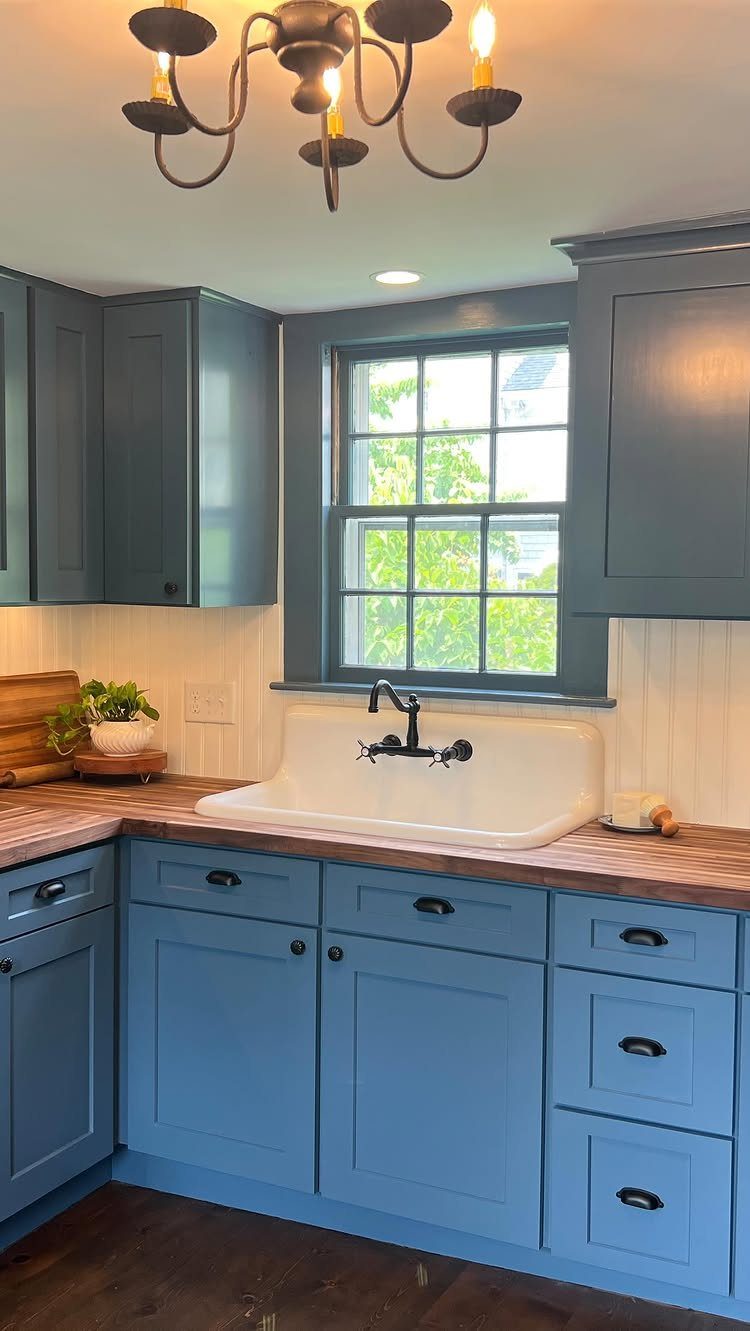
A smaller apron-front sink gives you the look in a compact footprint. That narrower width fits a tighter cabinet run or a kitchen where counter space is limited.
The basin is shallower and holds less, so you lose some of the utility that makes a farmhouse sink worth installing in the first place.
I recommend it when the look matters more than the capacity, or when you’re working with a galley kitchen or a small cottage layout where a full-size apron front would overpower the room.

PREMIUM DURABLE FIRECLAY FARMHOUSE SINK: Professional grade 33 inch fireclay farmhouse sink combines timeless apron-front design with exceptional durability. The Couoko white framhouse sink crafted from premium clay fired over 2900°F, it resists chips, scratches, stains, and thermal shock. The non-porous, high-gloss finish ensures easy cleaning and long-lasting beauty, while its sturdy construction handles heavy daily use. A classic, durable upgrade for any kitchen

【100% Fine Solid Fireclay Farmhouse Sink 】TUKTUK farmhouse sink 30X20 made of 100% fine natural fireclay fired at extremely high temperatures above 2400℉ for 28hours, makes this white kitchen sink in hard and sturdy solid core construction, offers this 30 inch farm sink for kitchen superior strengthen and durable to withstand kitchen heavy-duty use. You won't have to worry about staining, chipping, scratching and cracking. This new design apron farmhouse sink was built for long-lasting.

This kitchen aprons perfect for cooking, baking, arts, crafts and daily use. Suitable for both home and business, they blend practicality and stylish design to meet diverse daily needs.
7. Ridged Apron Front
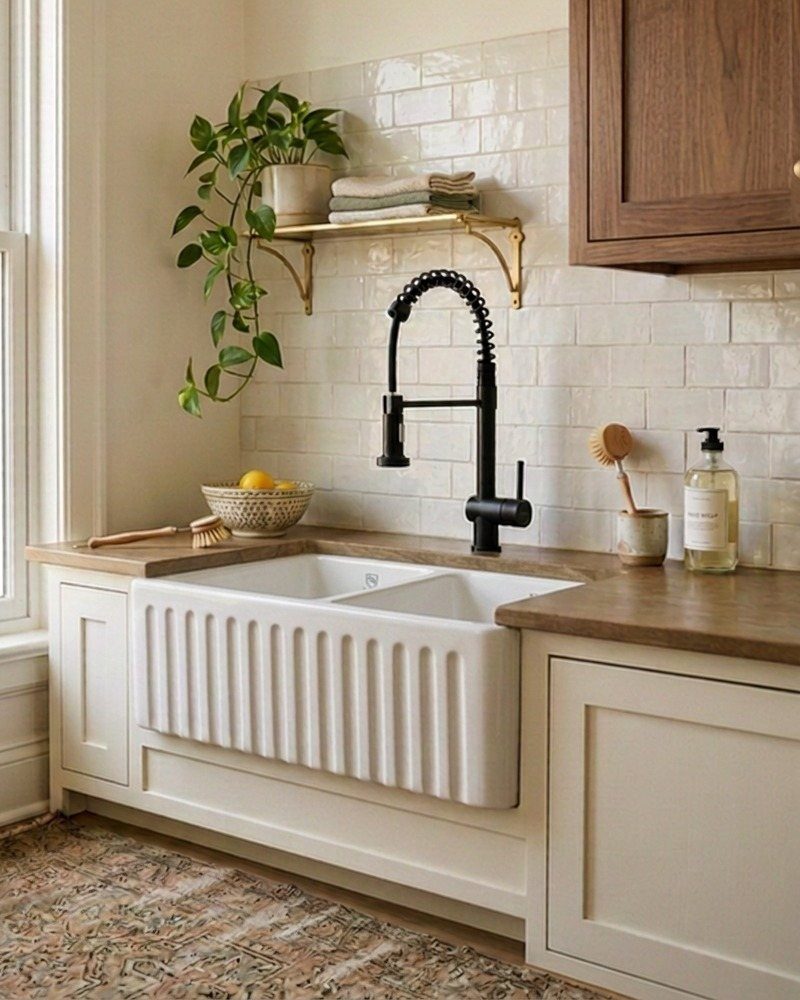
Vertical ridges across the apron give the sink face texture that catches light differently than a smooth front. That detail reads strongest when the rest of the kitchen keeps things plain, and it adds interest without changing the basin itself.
If you’re working with white cabinets and simple hardware, the ridged front gives the sink a little more presence without pulling too warm or too modern.
The ridges also make scratches and wear less obvious over time, which matters if the sink sees heavy use.

Inspired by the early American farmhouse style of the 1920s, bringing timeless charm and rustic elegance to your kitchen or workspace

Constructed of heavy-duty cast iron

Material: Made of heavy cast iron, finished with a clear protective coat, very sturdy and last well.
8. Marbled Farmhouse Sink
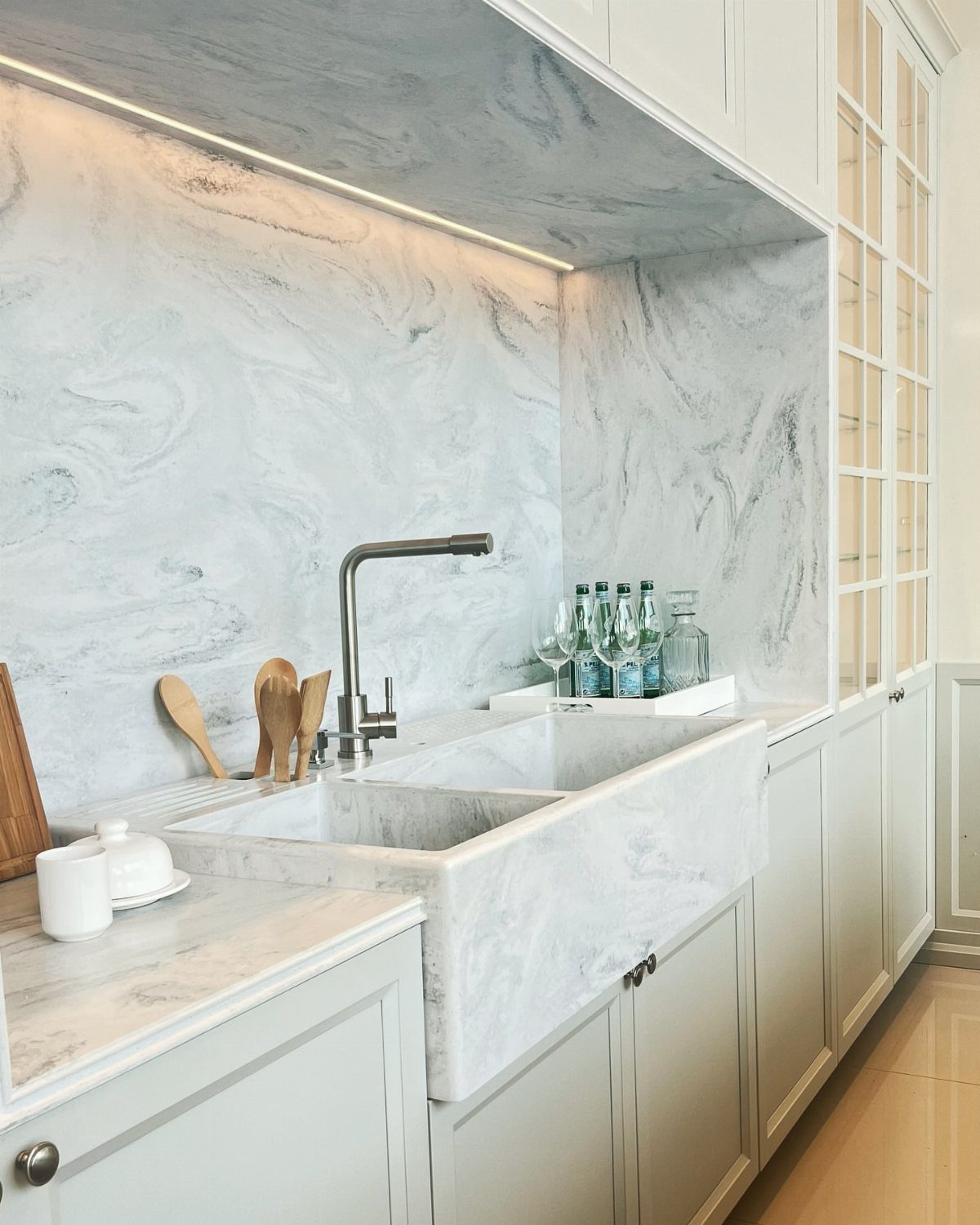
A marbled basin turns the sink into something closer to a countertop material than a standard white fixture.
The pattern breaks up the visual weight of a large apron front and ties the sink to the rest of the stone or quartz in the room.
I like it when the kitchen already uses marble or a similar material and you want the sink to feel integrated instead of installed.
The veining shows differently in every piece, so expect variation. Cost runs higher than plain white fireclay, and the pattern makes chips more visible if one happens.

Double Bowl Black Farmhouse Sink: 50/50 Separate farmhouse sinks provide space for soaking, hand washing, drying and stacking dishes without sacrificing the utility and functionality of a second bowl to avoid grease stains or stringy flavors on fruits and vegetables.

Black Double Bowl Farmhouse Sink Dimensions: Exterior size 33''×22''×10''; Interior size 29''×16 1 /4''×9''; USA Standard 3.5-inch sink drain opening size will fit any garbage disposal unit;Minimum Cabinet Base is recommended to be 36 inch

Comfortable Apron-Front Design:Apron-front sink of the enclosure basin replaces the parallel structure of the original cabinet front,the body curve is more in line with the sink,reducing the distance of reaching forward when using.Farmhouse sink also reduce the burden on the back and waist caused by long-term cleaning of cookware appropriately,making it more friendly for families who frequently use the kitchen sink
9. Copper Farmhouse Sink
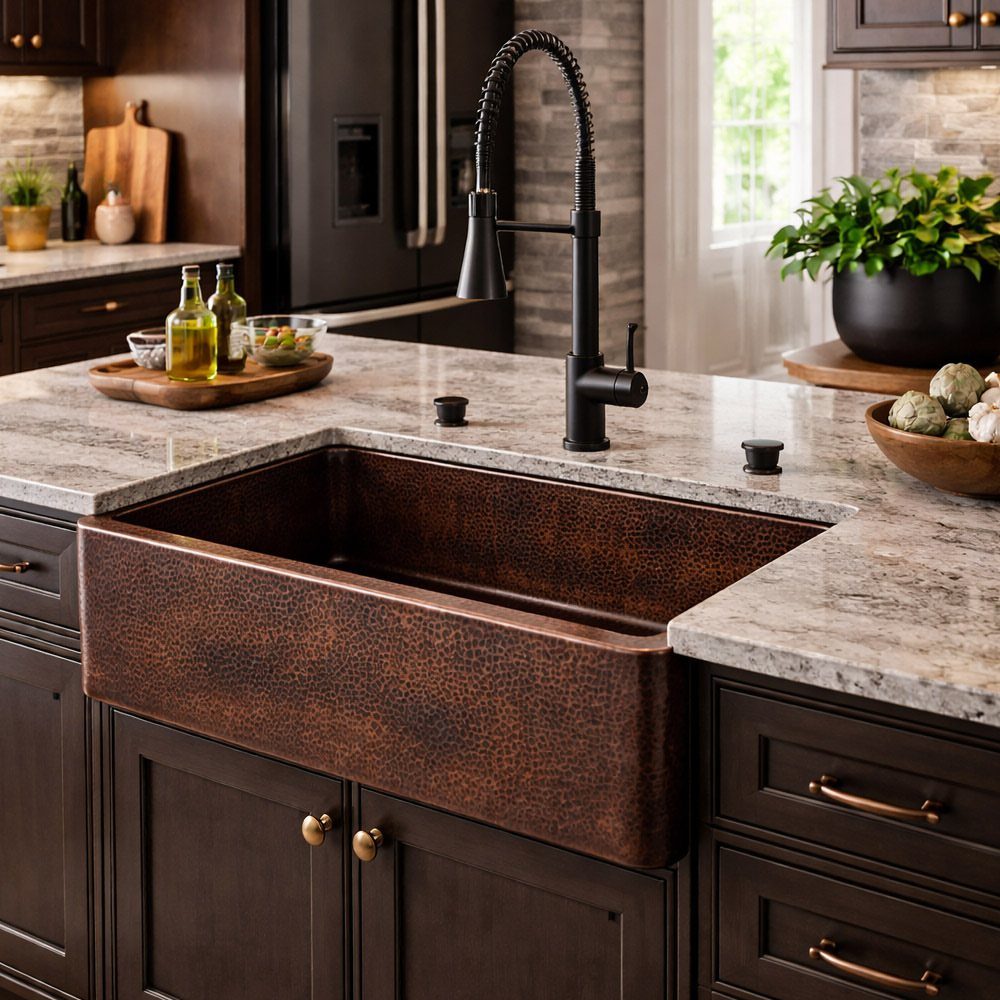
Copper ages in place and picks up a patina that darkens the finish over time, so the sink continues to change as you use it.
That warmth pairs well with wood counters, dark cabinetry, or a kitchen that already leans rustic.
The hammered texture hides minor scratches and dents, and the material is naturally antimicrobial. Copper is softer than fireclay or stainless, so it dents more easily under heavy impact.
If you want the sink to stay looking new, this is the wrong choice. If you want it to look lived-in, copper does that better than anything else.

CUTTING BOARD DIMENSIONS: 16 7/8 in. L x 11 in. W – 1 YEAR LIMITED WARRANTY with top-rated customer service that puts you first

PREP LIKE A PRO: This all-in-one solution to chop, clean, prep, and store is a game changer for any kitchen! It includes an optional slide-out board to use over-the-sink or over the edge of the counter with the removable strainer and collapsible storage containers. Makes meal prep quick and easy!
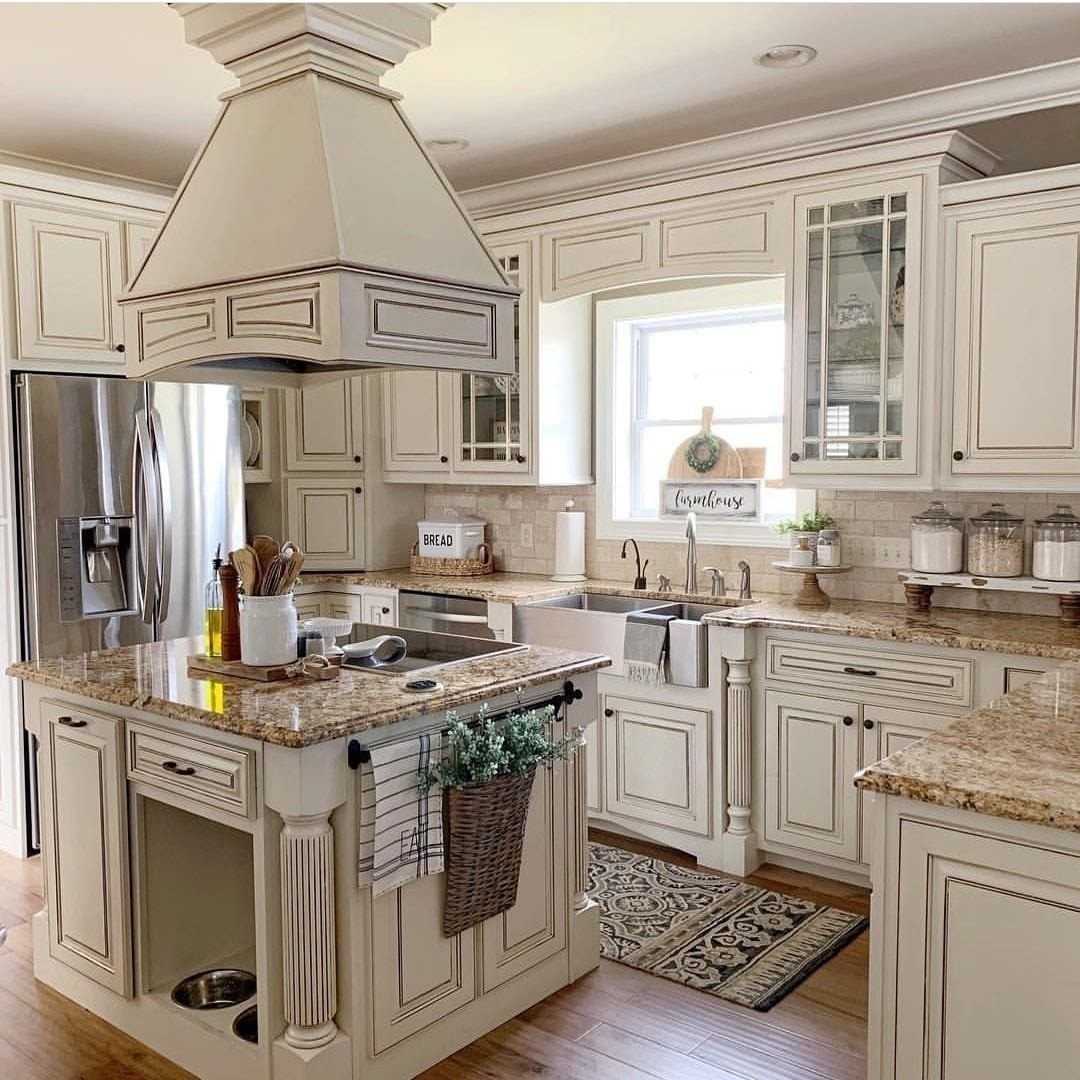
10. White Island Sink
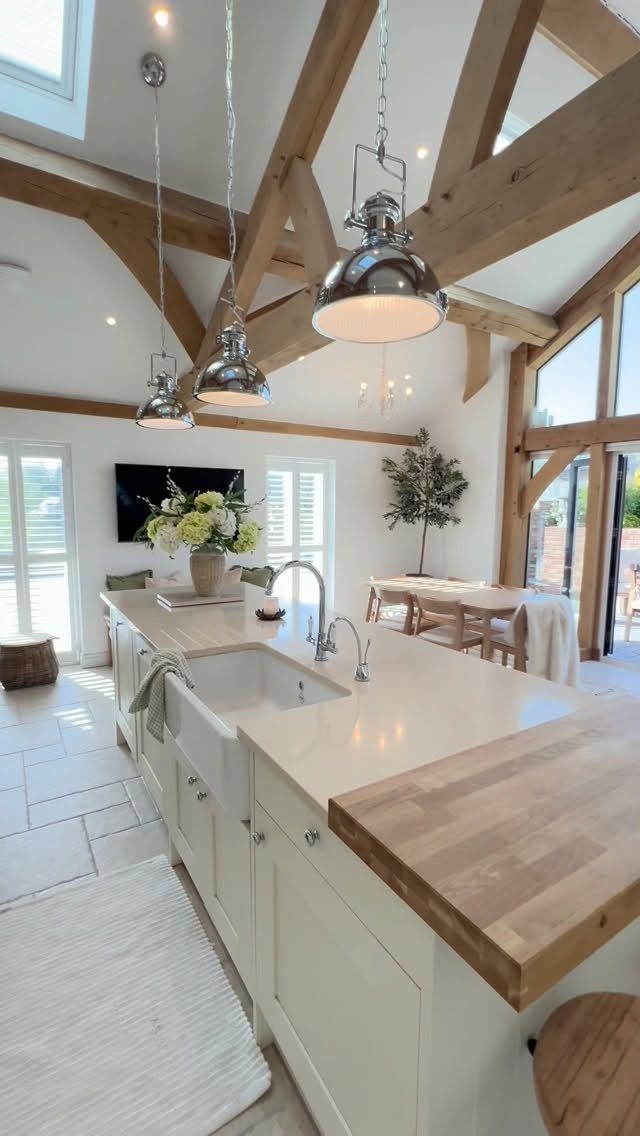
Placing the sink in the island frees up perimeter counter space and gives you a work zone that faces into the room instead of the wall.
That setup works best when the island is large enough to hold the sink and still leave prep space on either side. If the island is narrow, the sink can take over and leave you with no usable counter.
I recommend it when you cook with other people in the kitchen and want the sink accessible from multiple sides. Plumbing and venting need to run under the floor, which adds complexity if you’re retrofitting an existing island.

HIGH QUALITY MATERIAL - soap dispenser for kitchen sink is made of exterior commercial grade stainless steel with a brushed nickel finish. The sink soap dispenser bottle is made of ABS, corrosion resistant and pollution free.

Longer Life: Our kitchen sink soap dispenser is made of premium 304 stainless steel and PE plastic, which is more sturdy and long-lasting. The surface of the pump head is brushed to prevent rust and corrosion, and it is easy to clean.

【Classic Galvanized Accent】Keep hands squeaky clean while delighting your eyes with an electrifying freestanding Hand Soap Dispenser. Heavy-duty yet beautifully coated to prevent corrosion & rust for years. Sturdy AND pretty farmhouse décor touch!
11. Double-basin Fireclay Sink
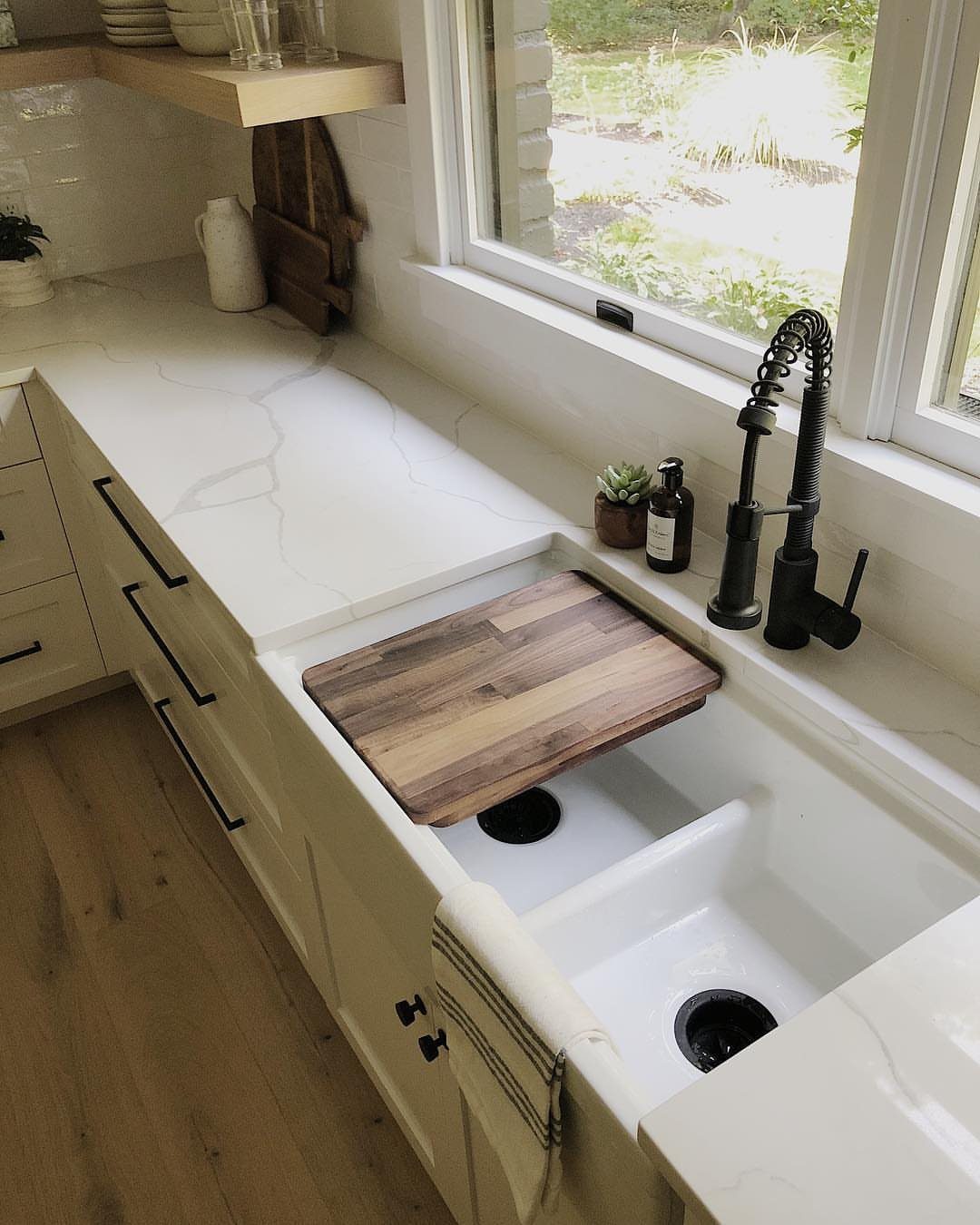
The two-bowl layout in fireclay gives you the material people choose for its durability and the divided basin some cooks prefer.
Each side gets its own space, so you can fill one with soapy water and keep the other clear for rinsing or stacking.
Fireclay weighs more than stainless, so the cabinet base needs reinforcement. If you want the heft and the traditional look but you’re not ready to give up the divider, this is the version that keeps both.
The cutting board insert spans the center and adds a work surface when you need it.
12. Farmhouse Sink Drainboard
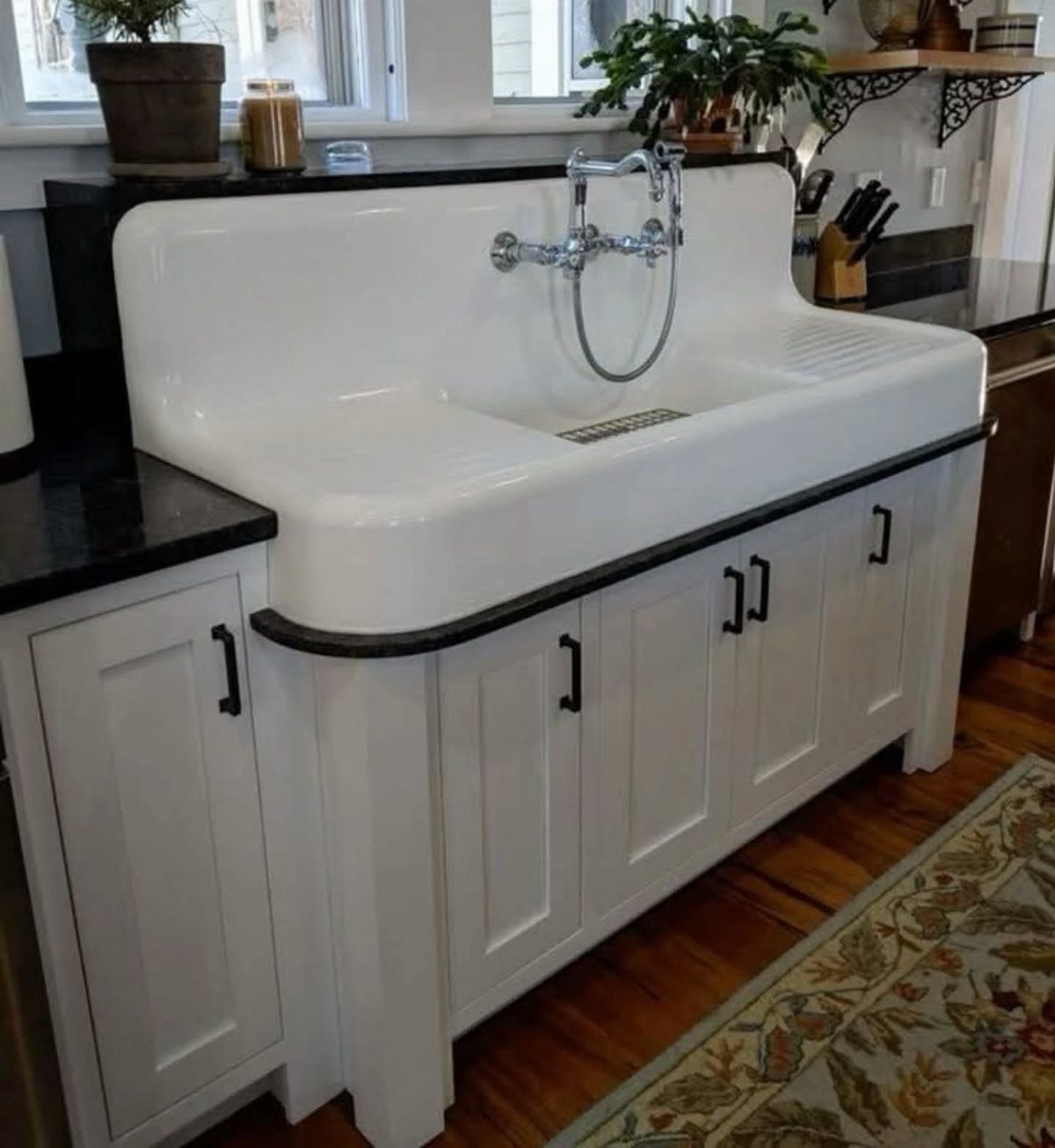
A built-in drainboard gives you a sloped surface next to the basin where dishes can dry without tying up the counter.
The ridges channel water back into the sink, which means no separate drying mat. That extension makes the sink wider, which means it takes up more cabinet space below and more counter length.
I recommend it when you hand-wash most of your dishes and you want a designated spot for them to sit. If cabinet space is tight, the drainboard becomes expensive real estate that could have held storage instead.
Choosing Sink Size and Fit
Most farmhouse sinks measure 30–36 inches wide, which means they need a base cabinet at least 3 inches wider to fit the basin and the supporting framework.
If your cabinet run is narrower, look for a scaled-down model, but understand that the basin depth and width shrink with it.
Measure the cabinet opening before you order. The sink sits inside the cabinet box, and the apron replaces the cabinet face, so the dimensions matter more than they do with a drop-in or undermount model.
If the sink is too wide, you’ll need to rebuild the cabinet base. If it’s too narrow, the apron won’t sit flush with the cabinet sides.
Material and Maintenance Trade-offs
The weight sits on the cabinet floor, not the countertop, so the base has to carry it without sagging.
Copper is soft, so it dents under impact, and it needs regular cleaning to prevent tarnish if you prefer a brighter finish.
Granite and quartz composite resist scratches and heat, but they cost more than stainless and come in fewer colors.
Exposed-front Installation and Use
The basin sits closer to the counter edge because the apron projects past the cabinet, and that means you’re not reaching over a gap every time you work at the sink.
That position makes it easier to reach into a deep basin without leaning over the counter, and it gives you room for large pots and sheet pans that wouldn’t fit in a standard undermount sink.
The exposed front takes impact directly if you drop something or lean a heavy pan against it, so choose a material that can handle the wear. Fireclay and cast iron hold up better than copper or thin stainless.
Water that spills over the apron drains to the floor instead of pooling on the cabinet face, which protects the wood but means you need to wipe the floor more often.
Frequently Asked Questions
What holds up a farmhouse sink?
The cabinet box supports the sink from below, while the apron face takes the place of the cabinet front entirely. That means the base needs solid support and sometimes reinforcement, especially with heavier materials like fireclay or cast iron.
Are all farmhouse sinks 10 inches deep?
No. The exact depth depends on the size and style you choose.
Are farmhouse sinks still in style in 2026?
Yes. The apron-front profile continues to show up in modern kitchen design because it balances function with a distinct look that works across different styles, from traditional white fireclay to matte black or stainless steel in more contemporary spaces.
What are some other names for a farmhouse sink?
You’ll see it listed as an apron-front sink, a farm-style sink, or a farmer sink, all referring to the same design. All of them refer to the exposed front and the way the basin sits forward in the cabinet.
How do you choose between single and double farmhouse sinks?
Pick a single bowl when you need maximum depth and room for large items like baking sheets or stockpots.