Centerpieces here run from a bowl of peaches and a melon to a bottle of rosemary, basil and dill you can cook from, and from setups that cost almost nothing to one oversized faux arrangement you buy once.
Table width and length settle whether a Tray Centerpiece, a row of Brass Salt Mills or a Low Flower Arrangement makes the most sense.
Short on width, I go low and light, something one hand can clear away; with a long table to fill, small matching pieces spaced down the middle keep every face in view.
1. Fruit Bowl
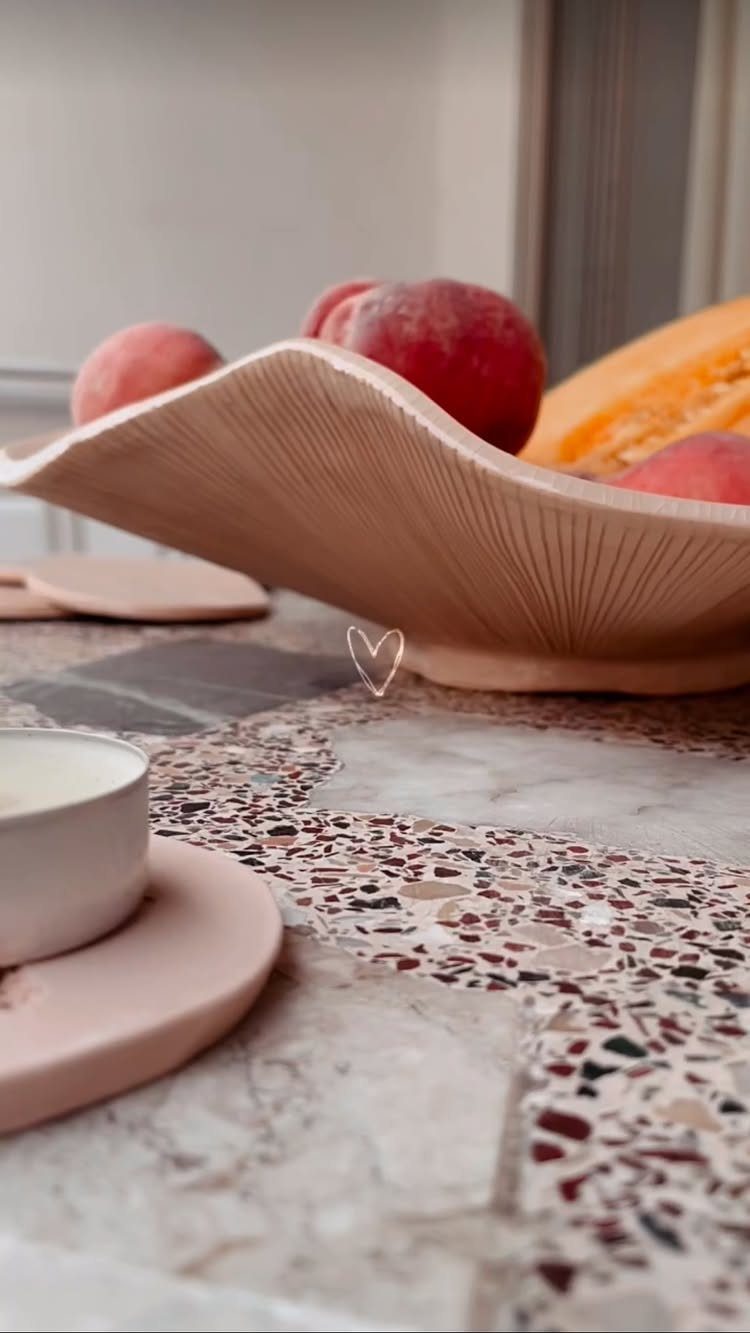
Peaches and a melon give a table color without a single stem to buy or trim. A bowl with its own texture lets the fruit stay the focus, so I’d pick one solid-colored bowl over a busy pattern.
Mix two kinds of fruit in different sizes, one big and round and one small. Choose what you’ll actually eat, because the centerpiece shrinks as the meal goes on and never needs clearing.
2. Tray Centerpiece
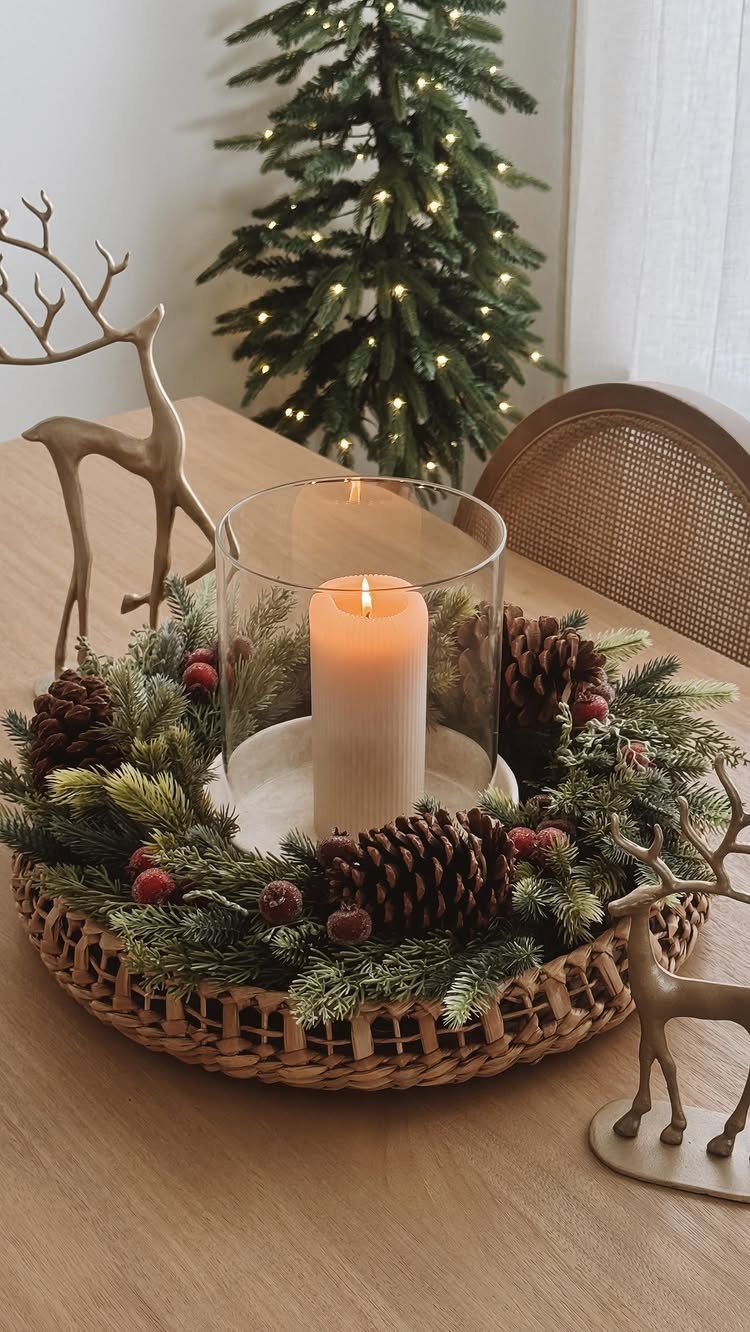
Small objects scatter into clutter on a bare table, but set them on a tray and they read as one arrangement.
A woven tray holding a candle in a glass cylinder, a few pine branches and some pinecones is a template that works, since the tray gives the grouping a clear edge and the pieces read as one centerpiece.
Because everything sits together, you can lift the whole thing off when the plates arrive. I like a tray with some texture, since it adds warmth under the candle.
3. Fresh Flower Vase
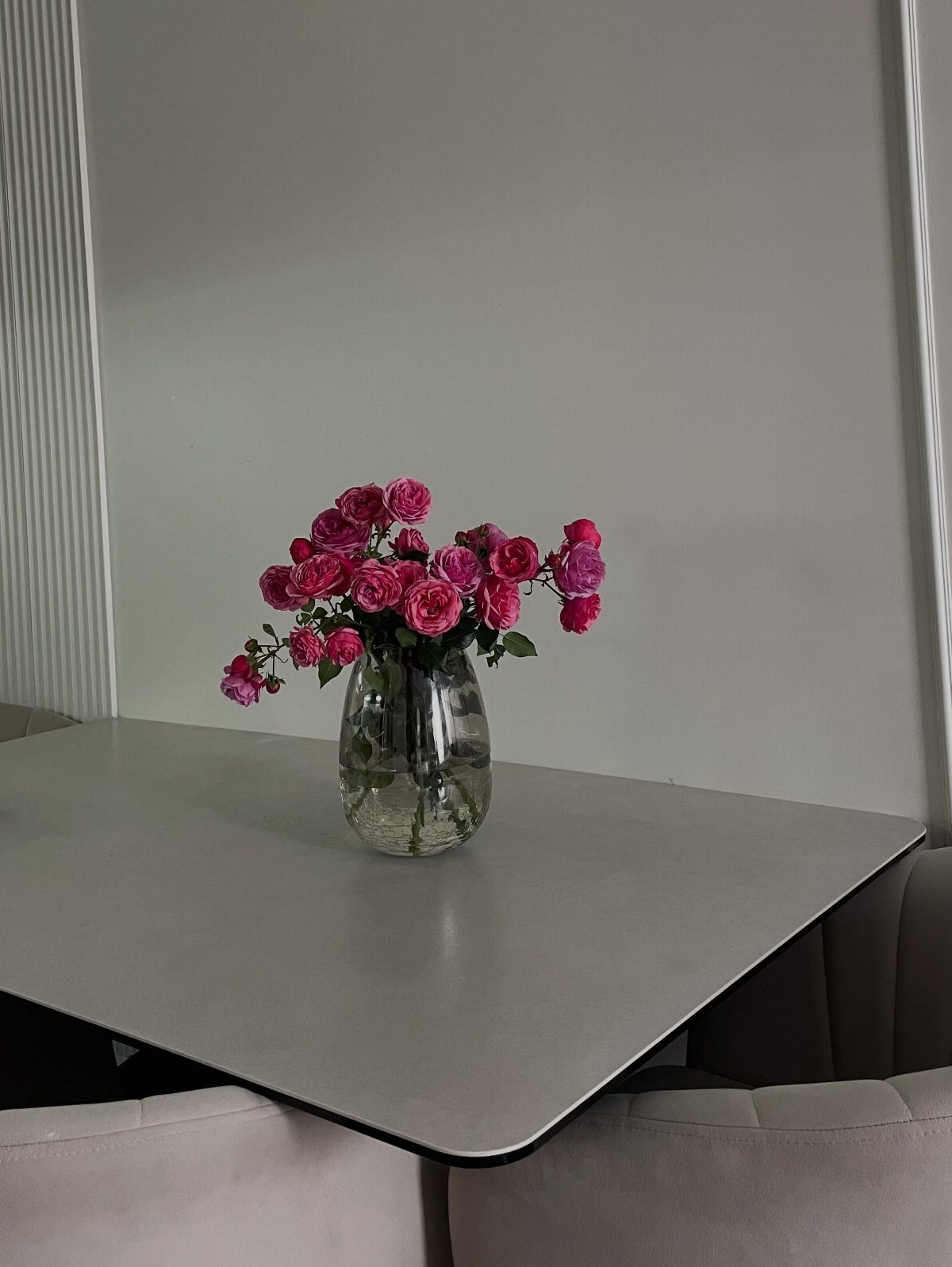
One kind of flower in one clear vase is the least fussy floral centerpiece I know. Buy whatever is in season, stick to a single color, and let the glass do the styling.
Single-color flowers in one vase work well because there’s no filler or foliage to manage. Keep the arrangement low enough that guests can see each other across the table.
4. Candle Arrangement
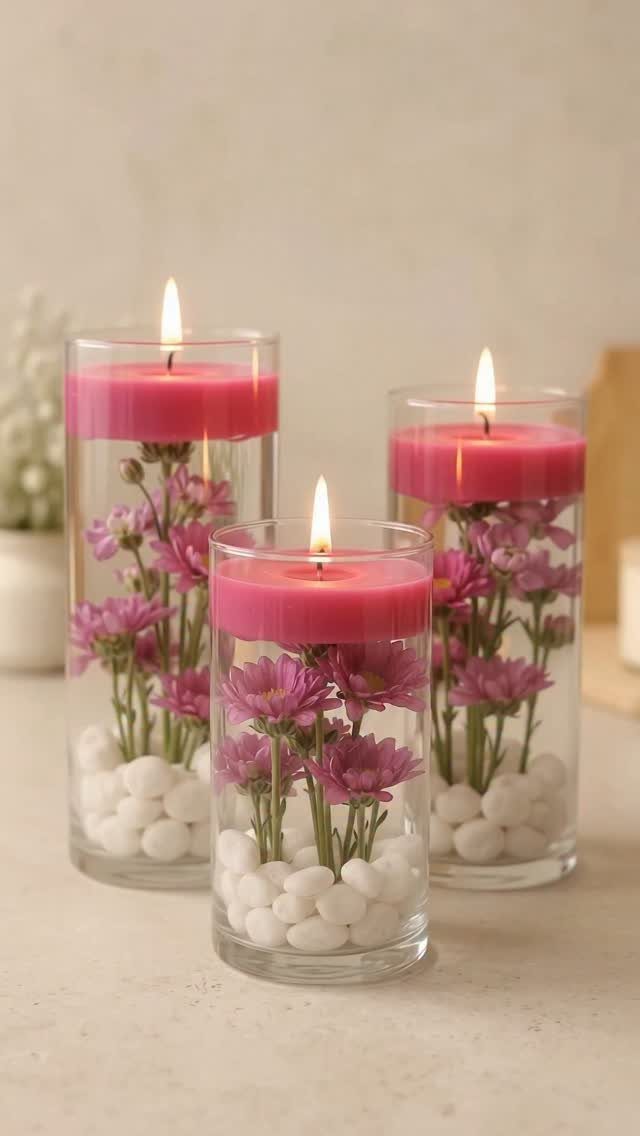
Floating candles ask for very little: water, a few stems and some stones. Three matching glass cylinders in a row look deliberate, and an odd number is easier on the eye than two or four.
White pebbles hold the flowers upright and keep the water looking clean.
Pick candles in the same shade as the blooms, as pink does here, and the whole row looks planned. It’s also cheap, since each cylinder needs only a few flowers.
5. Potted Herb Planter
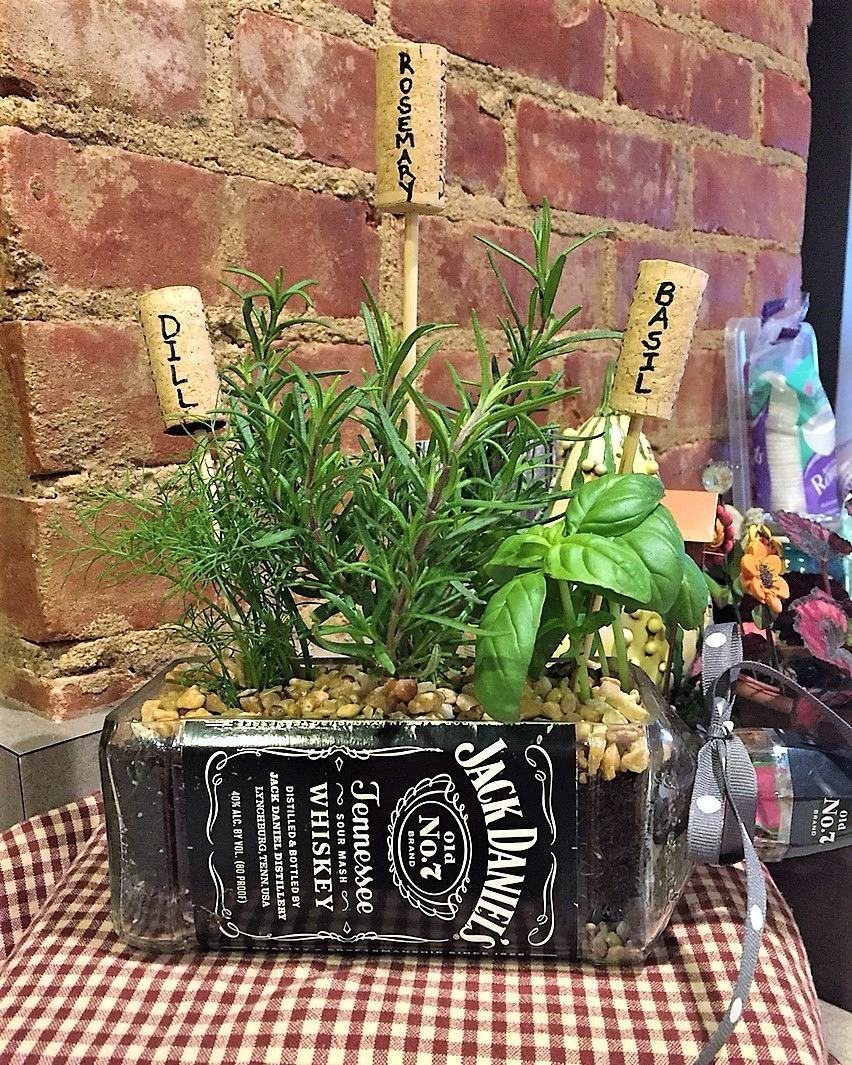
Rosemary, basil and dill in one glass bottle make a centerpiece you can cook from. Small cork labels, like the ones on this bottle planter, let guests snip what they want without asking.
Choose herbs you’d actually use at the meal, and lay the bottle on its side the way this one rests so it stays low. A cloth underneath keeps the table protected and adds some pattern.
6. Faux Flowers in a Vase
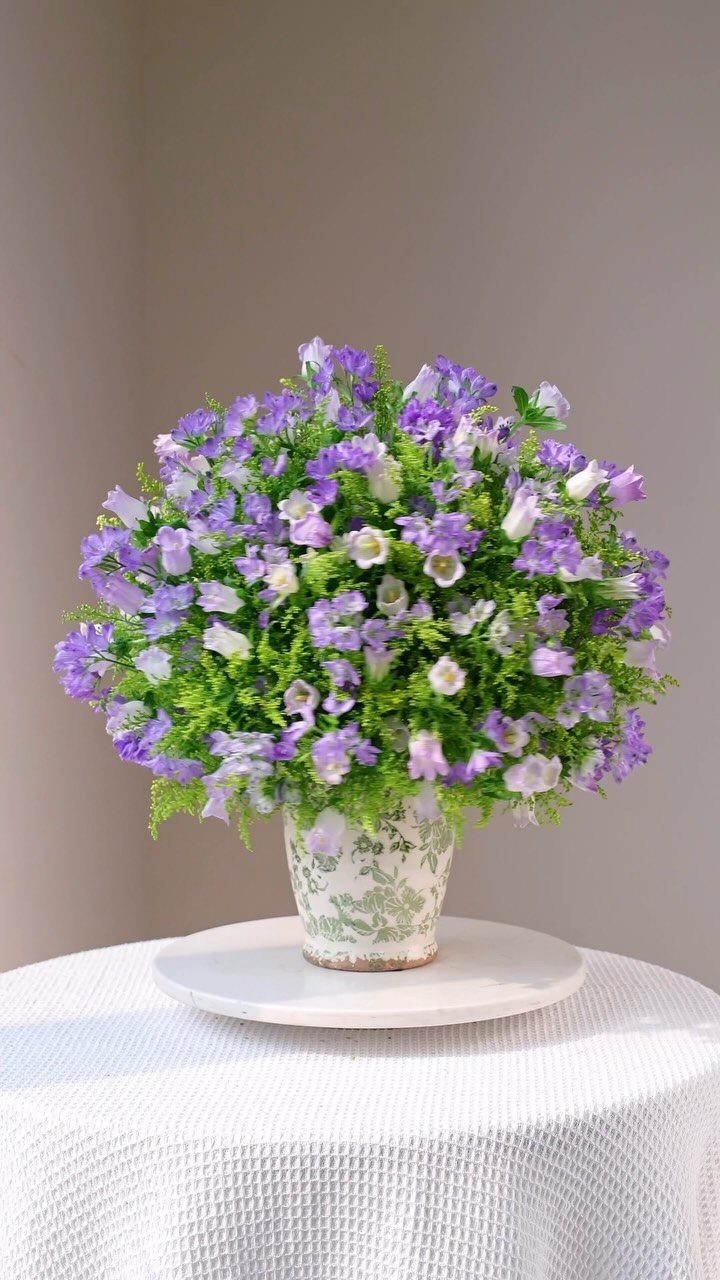
No watering, no wilting, and the same look for every dinner: that’s the case for faux flowers.
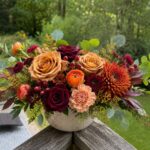
One oversized arrangement does more than several small ones, and a mix of colors with green foliage, like the purple and white here, reads as real from across the room.
I’d put it in a patterned vase and keep the table linens and dishes around it simple, so only one thing carries the design. It costs more up front than fresh stems, but you buy it once.
7. Potted Plant in a Nice Pot
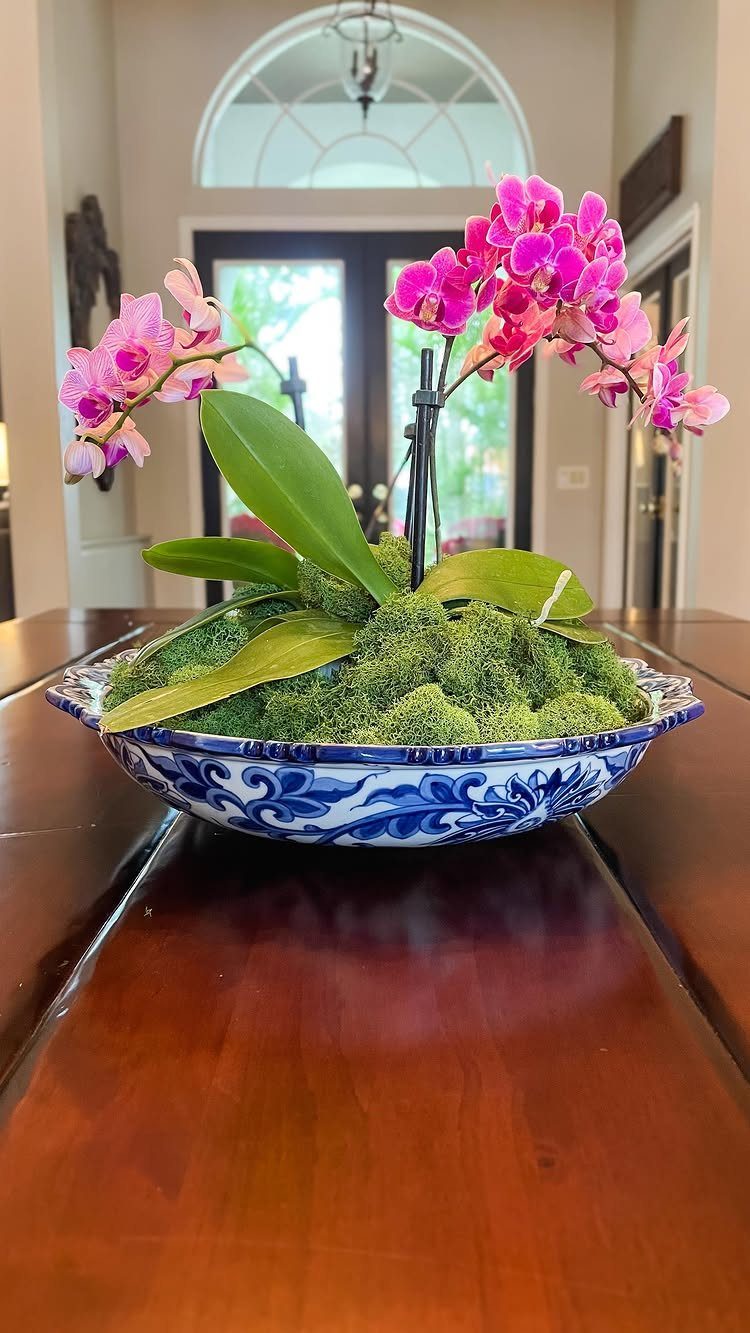
A living plant outlasts any bouquet, so the money goes into the pot once and the centerpiece stays.
A blooming orchid sitting in a patterned ceramic bowl is a good example, and the green moss over the soil hides the plain nursery container underneath.
Pick a bowl with a pattern you like and let the plant stay simple. Keep it to the middle of the table where it won’t be knocked, and move it aside only when the dishes come out.
8. Low Flower Arrangement
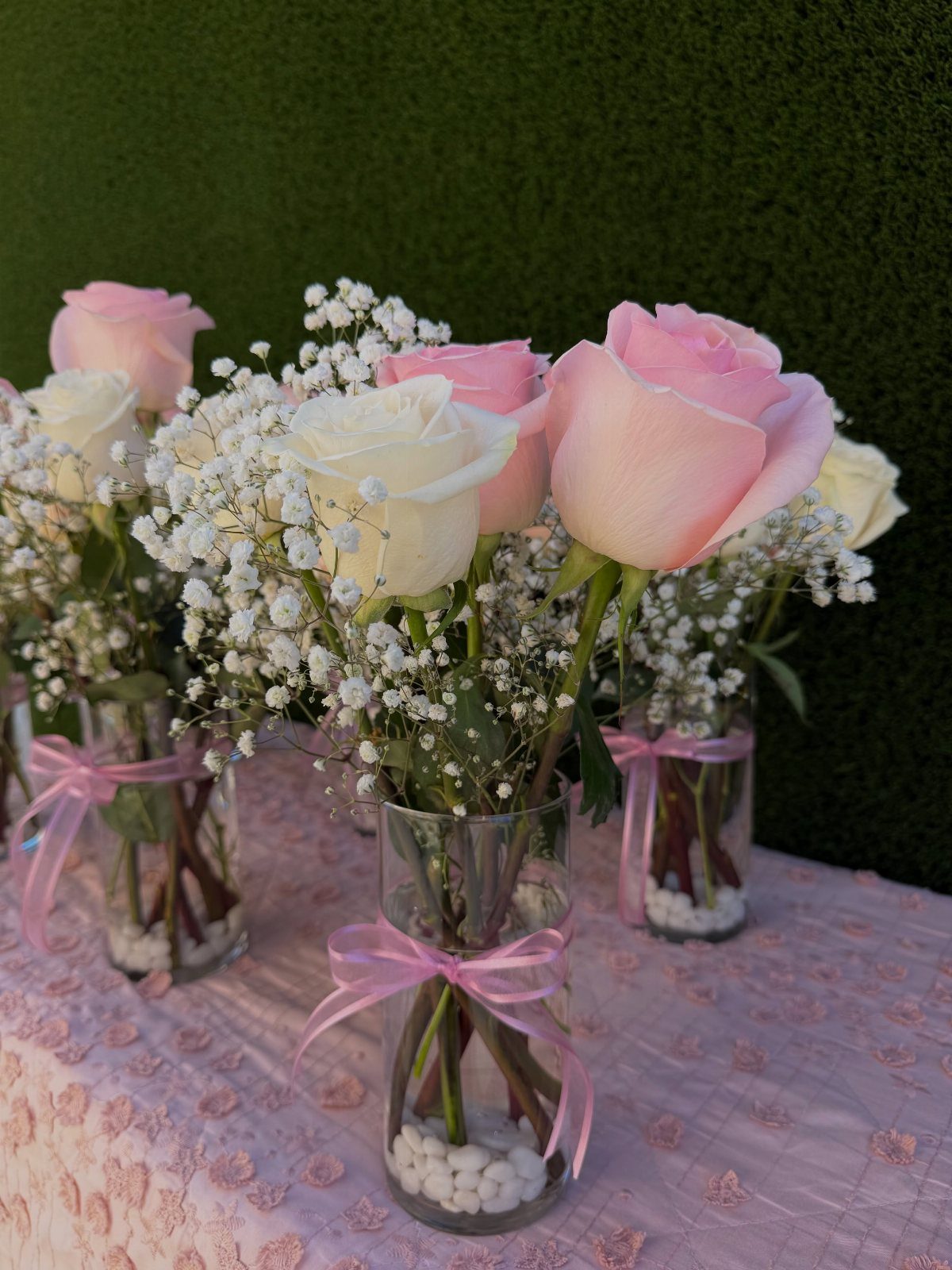
Three small glass vases with a few roses each take up far less room than one big arrangement, and the table stays open for plates and serving dishes.
Baby’s breath fills the gaps between the roses so a handful of stems looks full.
Pull the ribbon color from the tablecloth, and the grouping reads as planned instead of piled together. Keep every vase short enough to see over, and group them close together down the center.
9. Glass Hurricane Candle
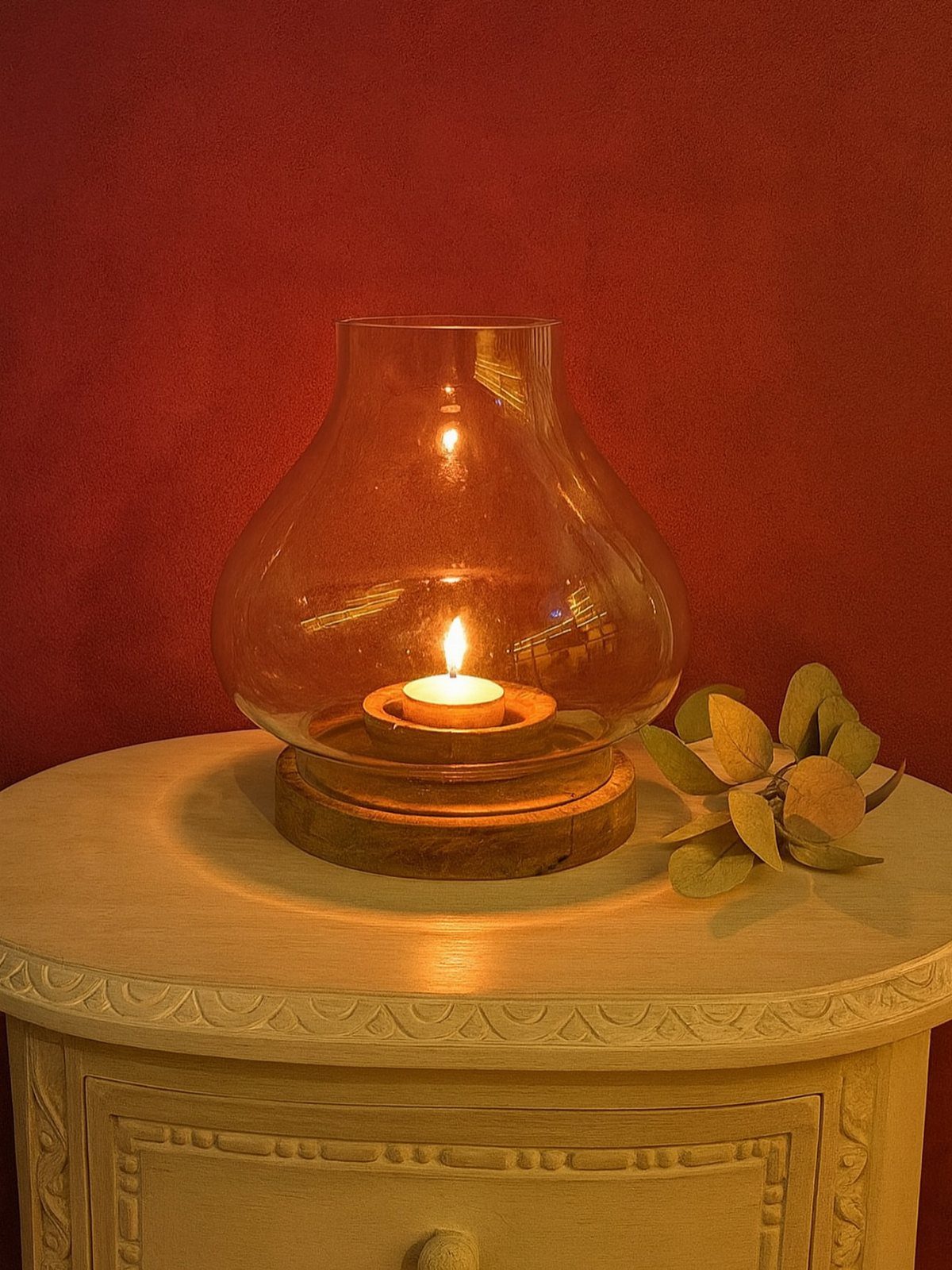
One tea light inside a glass hurricane anchors the table in about a minute. The glass shields the flame and spreads the light, and a wooden base adds warmth that a bare glass cylinder lacks.
A sprig of leaves tucked beside it fills out the setup for almost nothing.
I’d choose this for a small side table or a narrow dining table where a larger centerpiece would crowd the plates. Light it once everyone sits down.
10. Multi-Section Vase
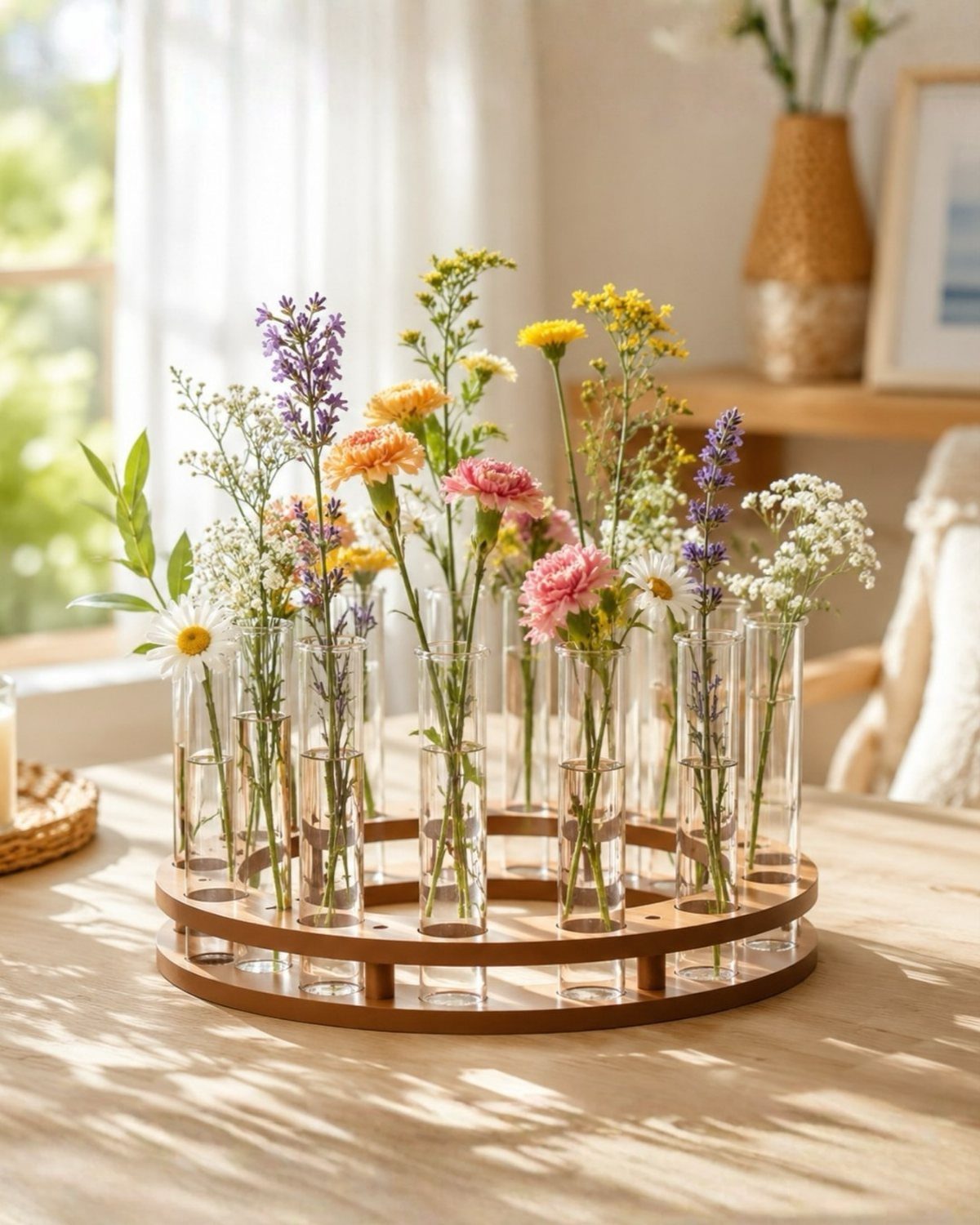
Test-tube vases set into a round wooden holder let a few stems of different flowers share one piece.
Each tube takes just one or two blooms, so wildflowers, garden clippings or a short grocery-store bunch can be split up and spread around.
Because every stem has its own opening, nothing flops over, and a mix of colors looks deliberate instead of messy. Keep the stems short, and the whole thing stays low enough to talk across.
11. Rosemary Sprig Vase
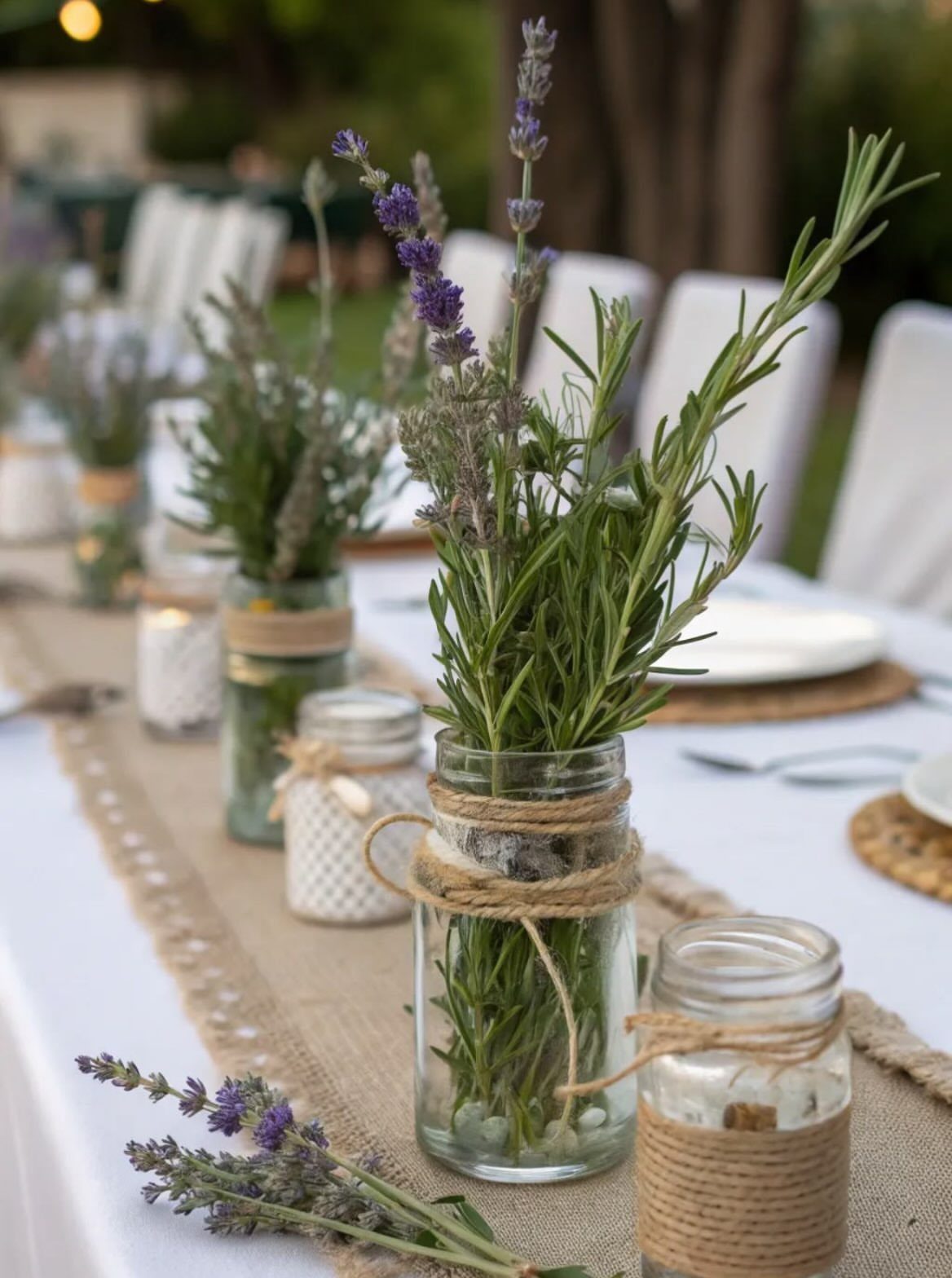
A sprig or two of rosemary in a small glass jar is about as minimal as a centerpiece gets.
A few lavender stems tucked in with the rosemary add color and scent without the cost of a full bunch of flowers.
Line several jars down a burlap runner instead of crowding one, and cut every sprig to a similar height so the row stays tidy. I like this for an outdoor table, where bulky arrangements tend to tip or blow around.
12. Brass Salt Mills
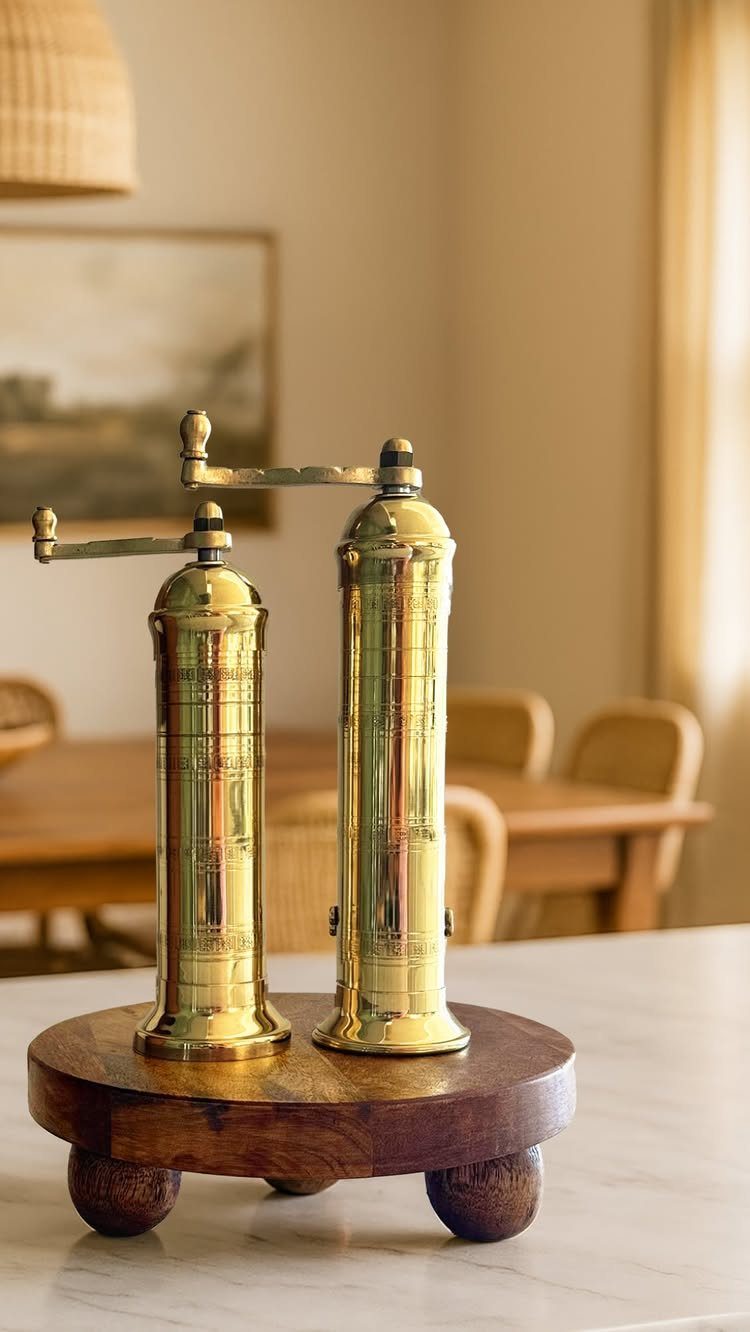
Salt and pepper mills in brass look like decor even though you’ll reach for them at every meal. Setting the pair on a round wooden base keeps them from wandering across the table and gives them a defined spot.
Pick mills in a matching metal so they read as a set. I’d use this on a small table where a vase would take up too much space, and add a candle beside it if the table feels bare.
Keep Dining Sightlines Clear
A tall arrangement works better on a console or entry table, where nobody has to talk around it; at the dining table it blocks faces across from each other.
Branches are the easiest way to get that height: olive, eucalyptus, magnolia leaves, pine or bare winter branches, clipped from the yard if you have one.
A few stems in a bud vase usually look better than a packed bunch, and they leave room for the plates.
On the dining table, a centerpiece should be able to stay through the meal.
If guests have to lean around it to talk, or you have to carry it off before the food arrives, it’s the wrong piece for that spot.
Before anyone sits down, take a chair yourself and check 2 things: can you see the person across from you, and is there room left for dishes and drinks?
A long table works better with a repeated element spaced down the middle than with one large piece, because every seat keeps its view.
Make Centerpieces Easy to Move
Size the centerpiece to the table, then test whether you can lift it away fast. If you can’t grab it with one hand, it’s probably too heavy or too big for a table that also has to hold dinner.
Grouping small items on one base means a single lift clears the surface when you need the space.
Budget pieces make this easier, since you won’t worry about moving them. Mason jars, thrifted bowls, reused bottles and baskets all work as containers, and fruit, branches, greenery clippings, candles, pinecones and dried flowers fill them for little money.
Frequently Asked Questions
How to create a centerpiece?
Start with a base such as a tray, bowl, basket or runner, then add height with a vase, candle, plant or a few branches.
Layer in texture with wood or woven pieces and finish with warm touches like candles. Keep the whole thing low enough that guests can see each other, and light enough to lift off with one hand when the food arrives.
How to make wedding centerpieces on a budget?
Good silk flowers look convincing up close and can be used again later, so buy faux and move the ceremony arrangements onto the reception tables once the vows are done.
Keep each arrangement simple, which also keeps the DIY work manageable. Mason jars, thrifted bowls and reused bottles filled with greenery clippings or candles cut costs further.
What are table centerpieces?
A centerpiece is whatever sits in the middle of a table to draw the eye first, whether that is one vase, a tray of candles, or a small cluster of objects.
Bowls, vases, candles, lanterns, trays, plants, fruit and even books all work.
What makes a table centerpiece actually work?
A good one draws the eye to the middle of the table without crowding it, and its scale and style match both the table and the room.
On a dining table, go low so everyone can see the person across from them and there’s still space for dishes and drinks.
Save height for a console or entry table, and on a dining table pick something you can lift off in one move when you need the space back.
What can you use instead of a table centerpiece?
Candles, mason jars and potted plants or succulents all stand in well.
A lone tea light under a glass hurricane takes roughly a minute to set up, and brass salt and pepper mills on a round wood base read as decor while staying in use at every meal.
Either option stays low and narrow, which helps on a small table where a full vase would push into the plates.