Whether the wall can take a screw decides most of this list: dresser-drawer shelves need studs behind them, while washi tape borders and outlined picture frames come off clean on move-out day in a rental.
Cost runs from nearly free, like rinsed food cans, old jeans and empty bottles, to projects that ask for patience, like folding book pages one by one for a wreath or knotting thick rope.
Pick by the surfaces you’re allowed to change first, then by how many evenings you have.
1. Room Wall Art
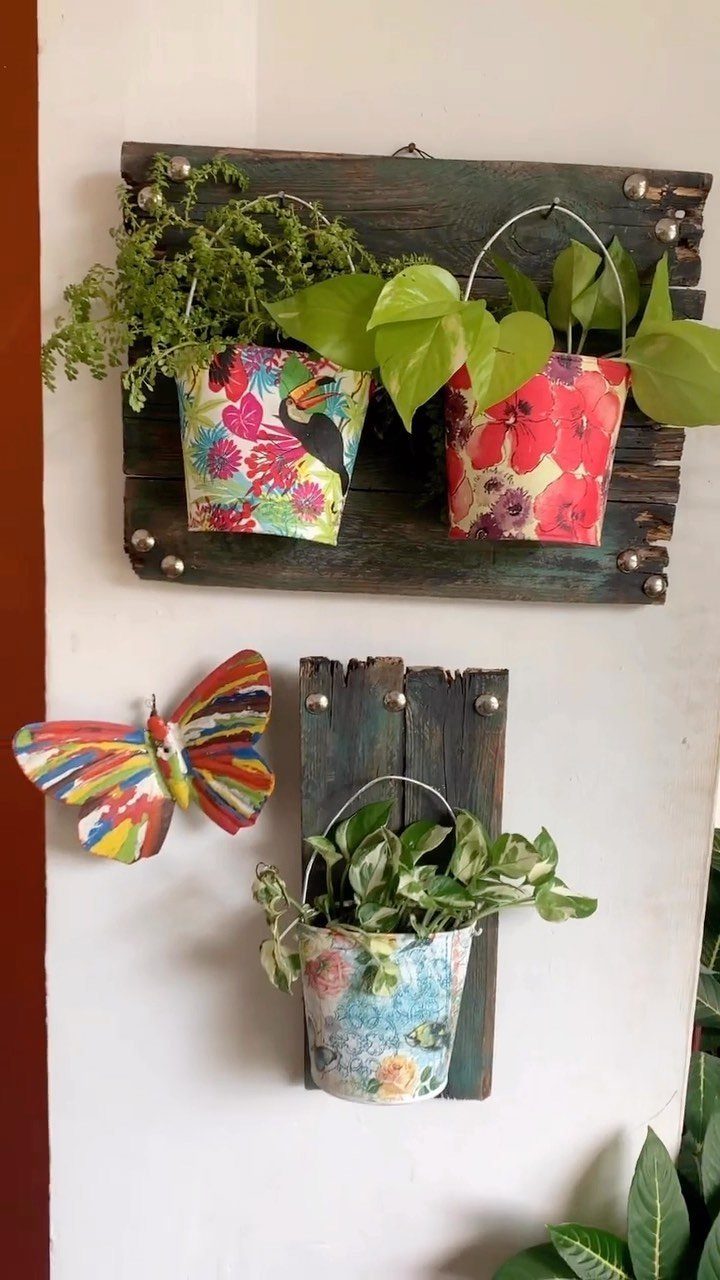
White paint gives handmade art the most room to work, and bright patterns hold their own against it. Rough wood planks calm down bright paint, so mounting colorful pieces on raw boards keeps a busy palette from feeling loud.
Leaving the rest of the wall bare is my preference, since the piece then stands alone instead of blending into a crowd.
2. DIY Vases
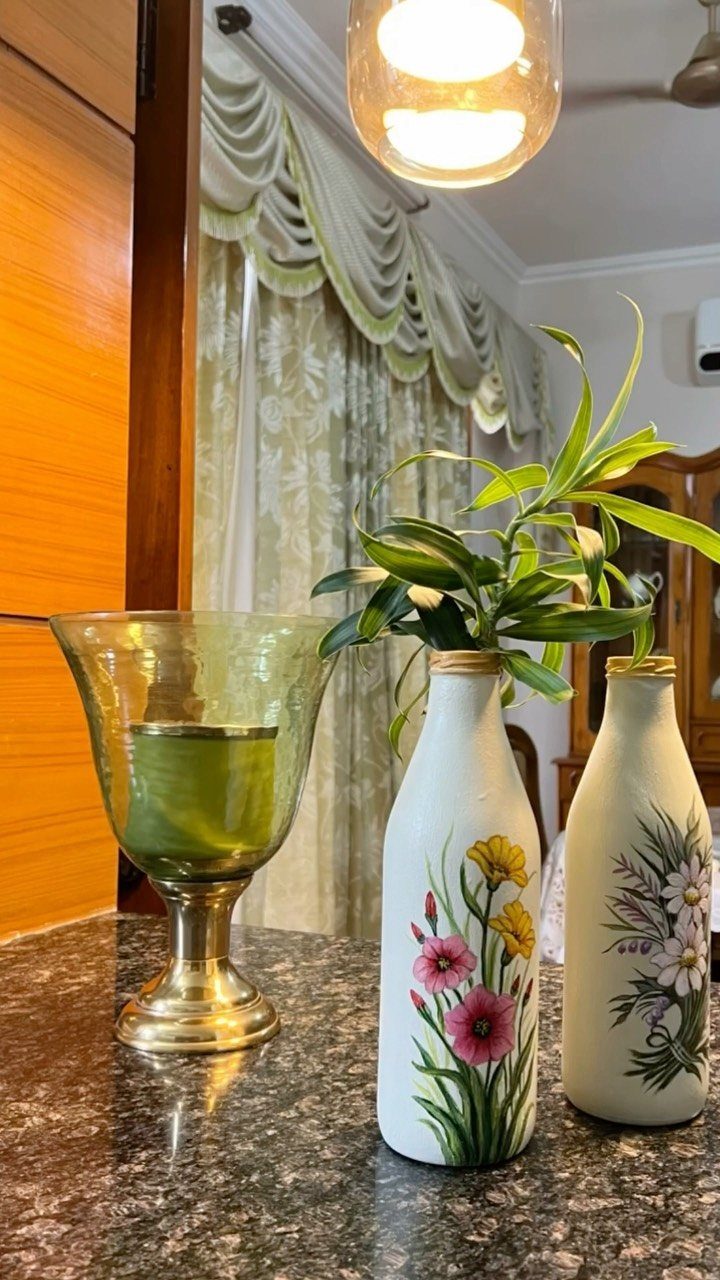
Bottles painted white make a calm base for hand-drawn flowers, and a plain glass goblet can hold stems just as well. Both cost almost nothing if you reuse what’s already in the cabinet.
I like a narrow bottle for one or two stems, since a thin neck keeps them upright. Set a pair on the counter with a different shape beside them.
3. Tin Can Planters
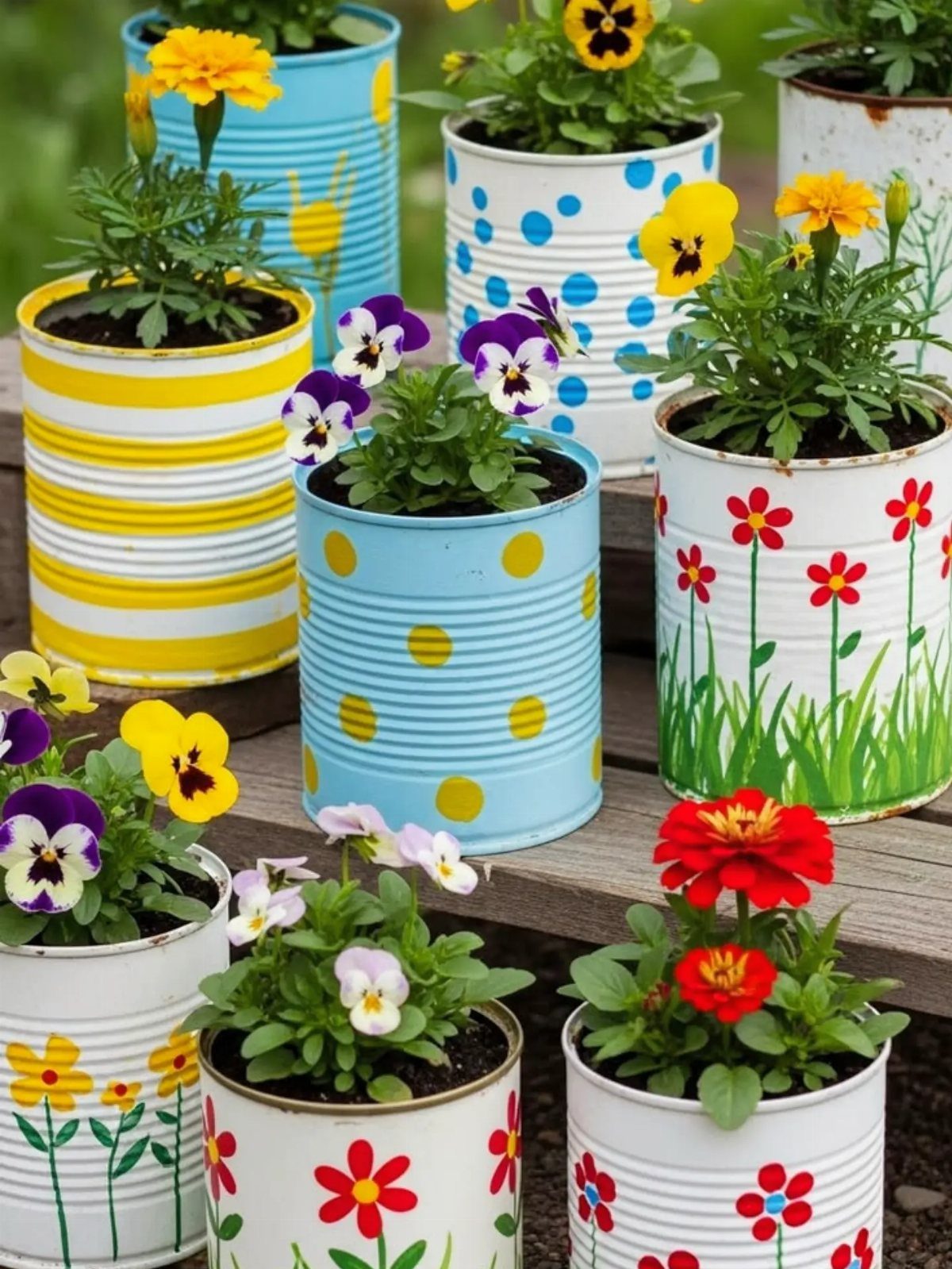
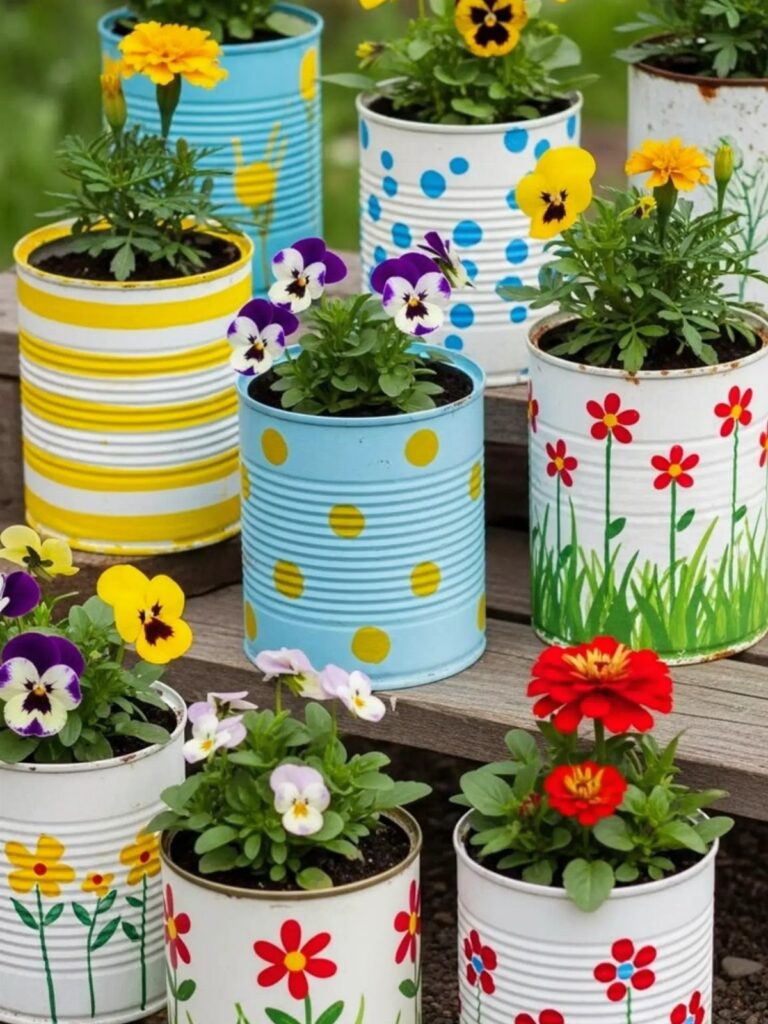
Paint turns a rinsed food can into a planter, and a row of them in related colors looks planned even when the cans came from the recycling bin.
Bright flowers look best when the paint stays within one color family, because the blooms then do the talking.
Punch a few drainage holes in the bottom before planting. Set the cans on a deck, a shelf or a windowsill.
4. Yarn Tassel Wall Hanging
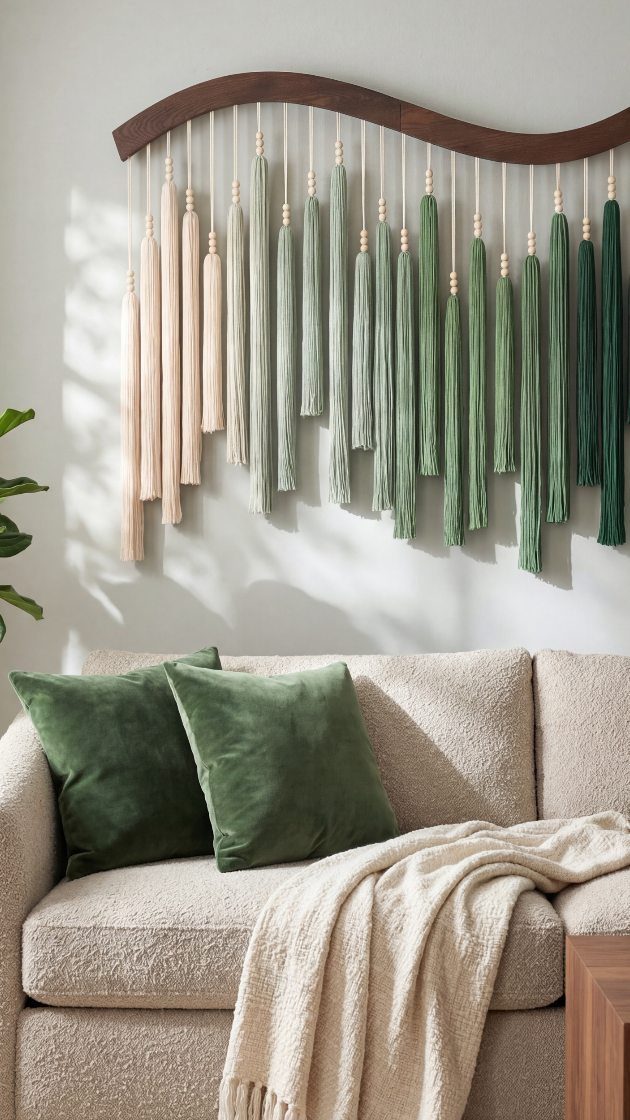
Cream fading into green is an easy gradient to build with yarn, and tassels strung along a curved piece of wood give a wall some movement.
Pull the green from your throw pillows and the hanging ties itself to the seating.
Hang it centered above the sofa. A shorter version also works along a shelf edge.
5. Floating Shelves
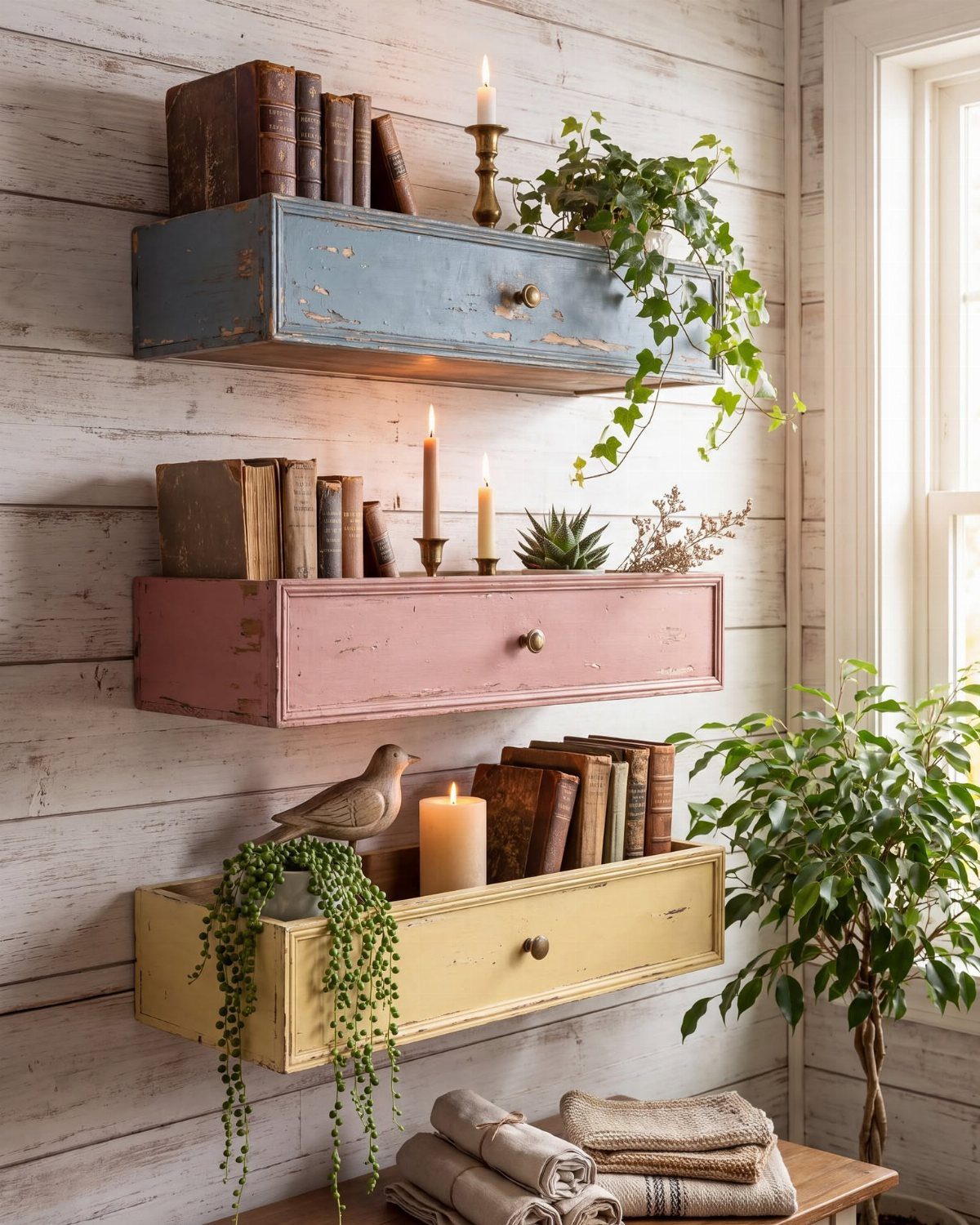
Old dresser drawers already have a back and sides, so they hold books, candles and small plants without slipping off. Painting each drawer a different color, then sanding the edges for a worn look, makes a set that feels collected.
Anchor them into studs if books are going in. A loaded drawer is heavy, and drywall alone won’t hold it.
6. Craft Room Gallery Wall
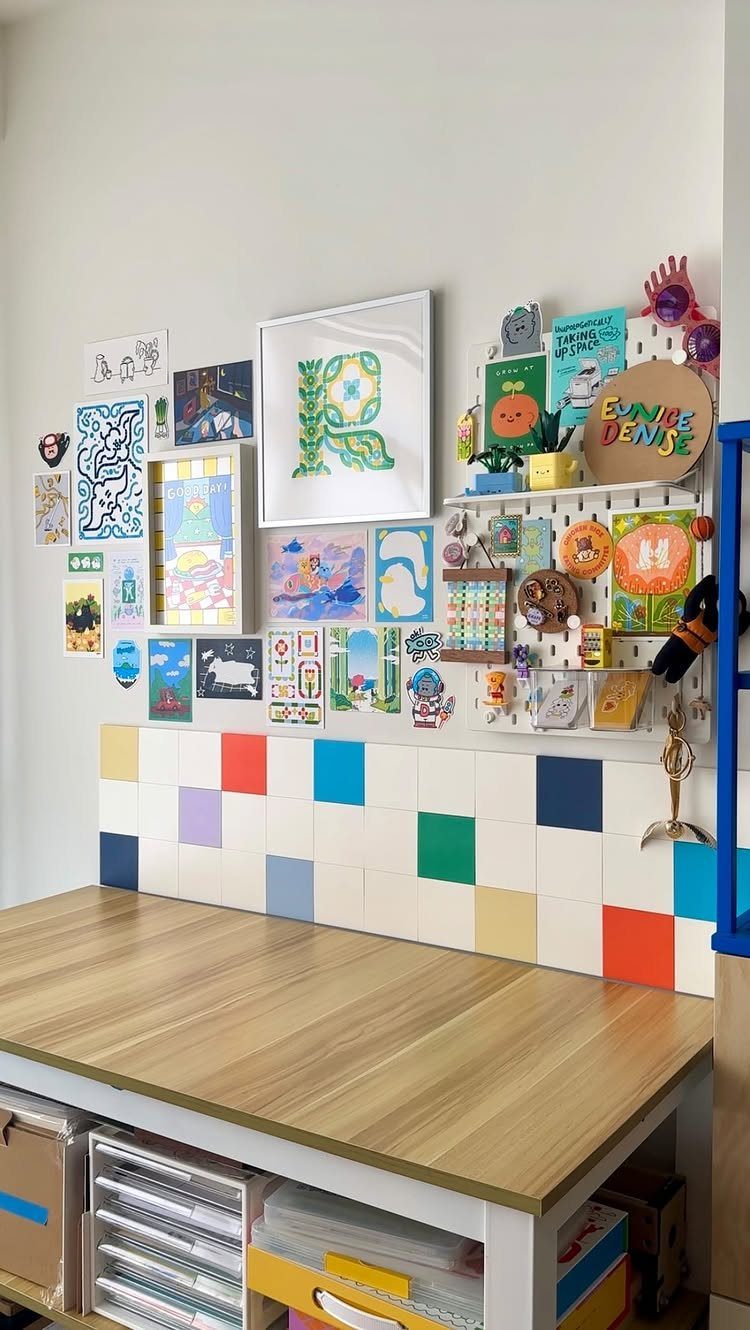
Sketches, small paintings and finished projects can share one wall above the desk, with a pegboard in the mix to keep supplies in reach. The pegboard does double duty: it’s storage and it’s part of the display.
Stay on a single wall so the nook reads as one design rather than clutter, and rotate new pieces in as you finish them.
7. Macrame Wall Hanging
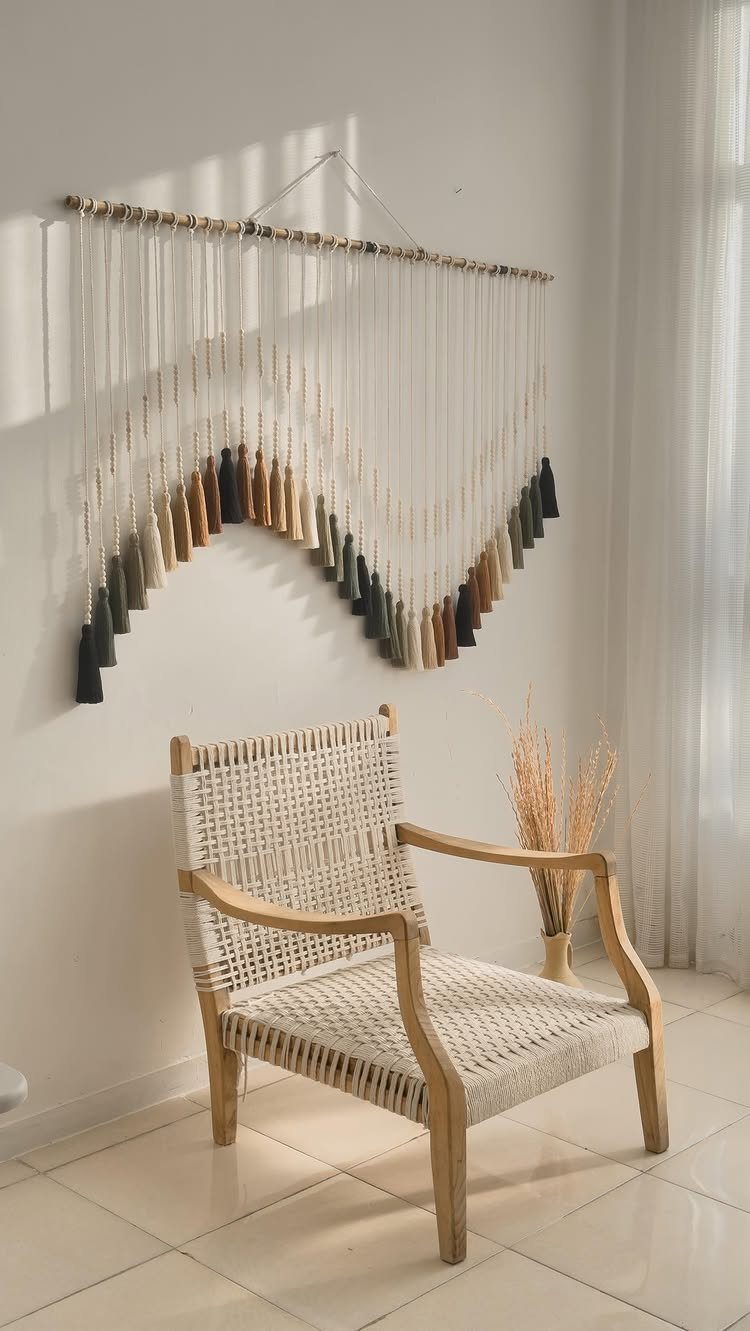
Thick knotted rope gives a bare wall the texture that paint can’t, and an earth-toned palette keeps it quiet enough for a white room. Leaving the ends as tassels adds soft movement without any extra work.
Hang it above a chair or a console so it has furniture to anchor it. I’d skip a busy wall behind it, since the knots are the detail worth seeing.
8. Pressed Flower Frames
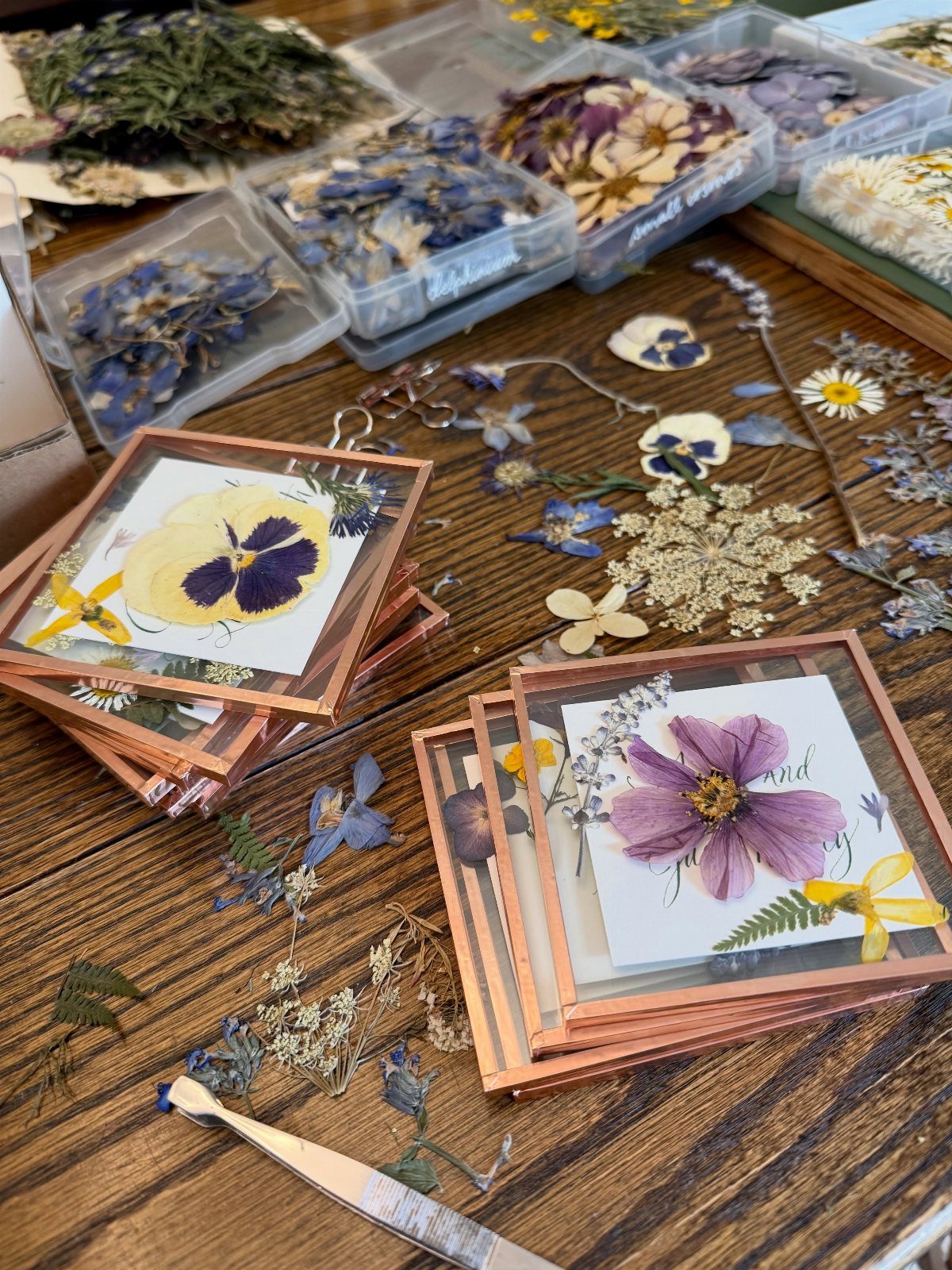
A flattened real flower sealed between 2 panes of glass stays on display long after a bouquet would have dropped its petals.
Copper frames suit the faded pinks and creams of dried blooms, and a double-glass frame lets light pass through the petals.
Lay out a few frames and fill them while the petals sit loose on the table, since flat pressed flowers shift the moment you pick up a frame.
Set them on a shelf or windowsill, where a small project earns a spot.
9. Ombre Curtains
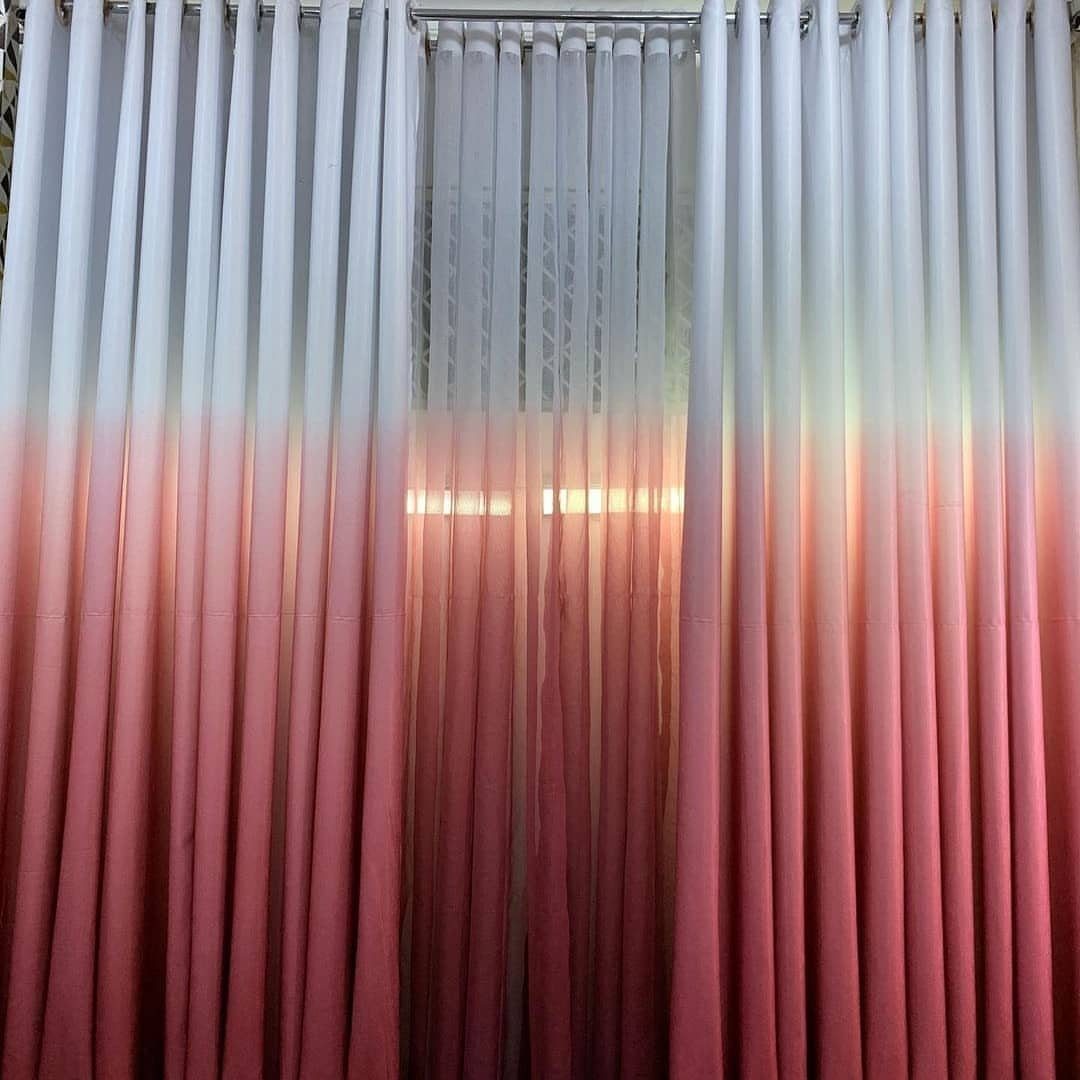
Fading a curtain from white at the top to pink at the bottom makes the window look softer and taller, and the color gets stronger the lower your eye travels.
A plain pair of curtains on a metal rod is all the base you need.
Pink is a gentle choice for a bedroom or craft nook. If you’d like a bolder look, start from a deeper shade, though I find the pale version easier to live with.
10. Paper Lantern Corner
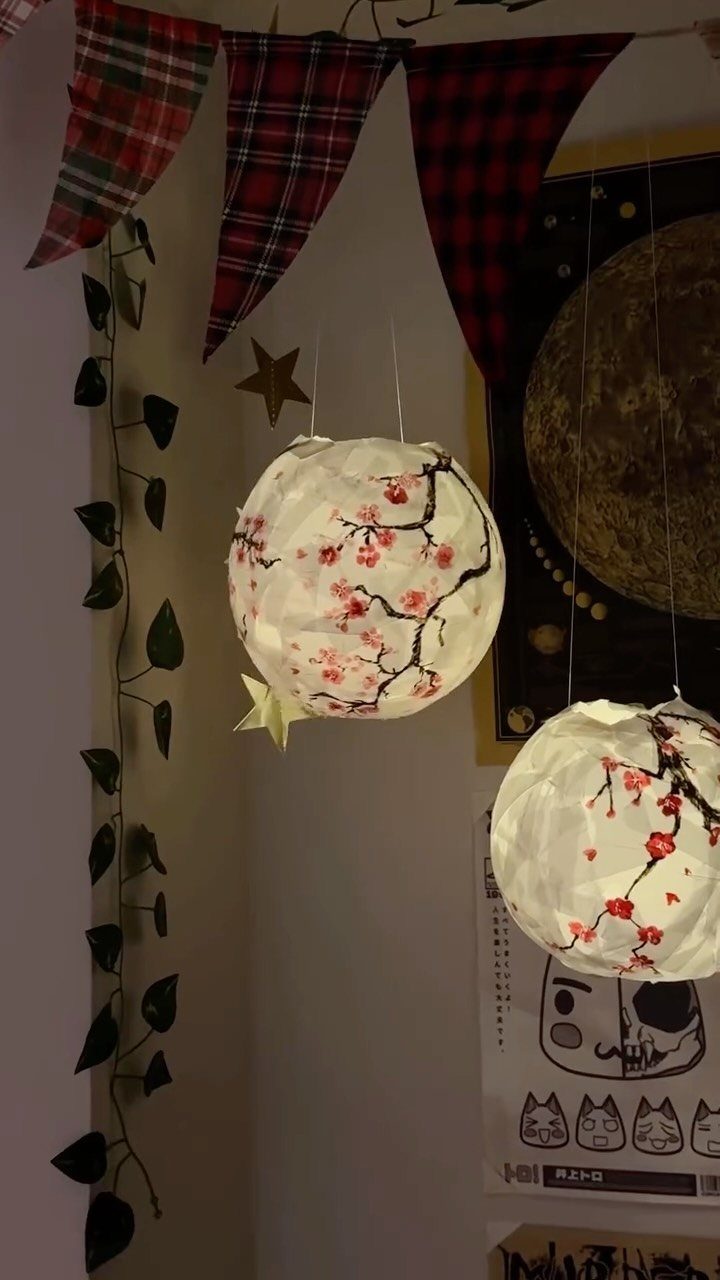
A cluster of paper lanterns turns an empty corner into the room’s soft light source. Hand-painting cherry blossoms on white ones makes them match your own taste instead of a store shelf.
Hang two at different heights so they don’t look like a matched set. A corner is the right spot because the lanterns fill dead space instead of crowding the walls, and plaid bunting or a poster nearby finishes the scene.
11. Neon-Style Sign
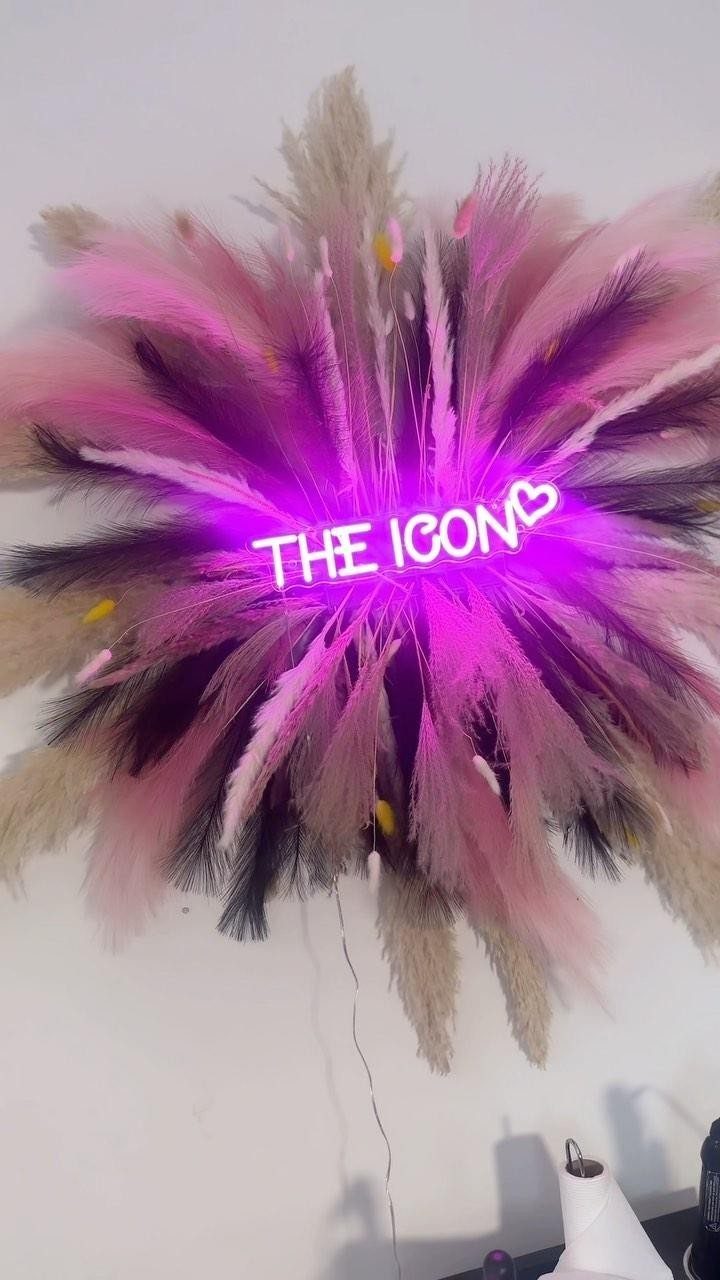
A pink neon-style sign gives a room a glowing focal point without real neon’s cost. Cut the lettering and heart shapes from something you can light from behind or around the edges, so the color seems to glow.
Pampas grass in pink, purple and beige makes a soft surround for the sign, and the muted tones keep the glow of the light as the focal point.
The soft plumes balance the sharp lines of the letters. Short phrases read best from across a room.
12. Geometric Accent Wall
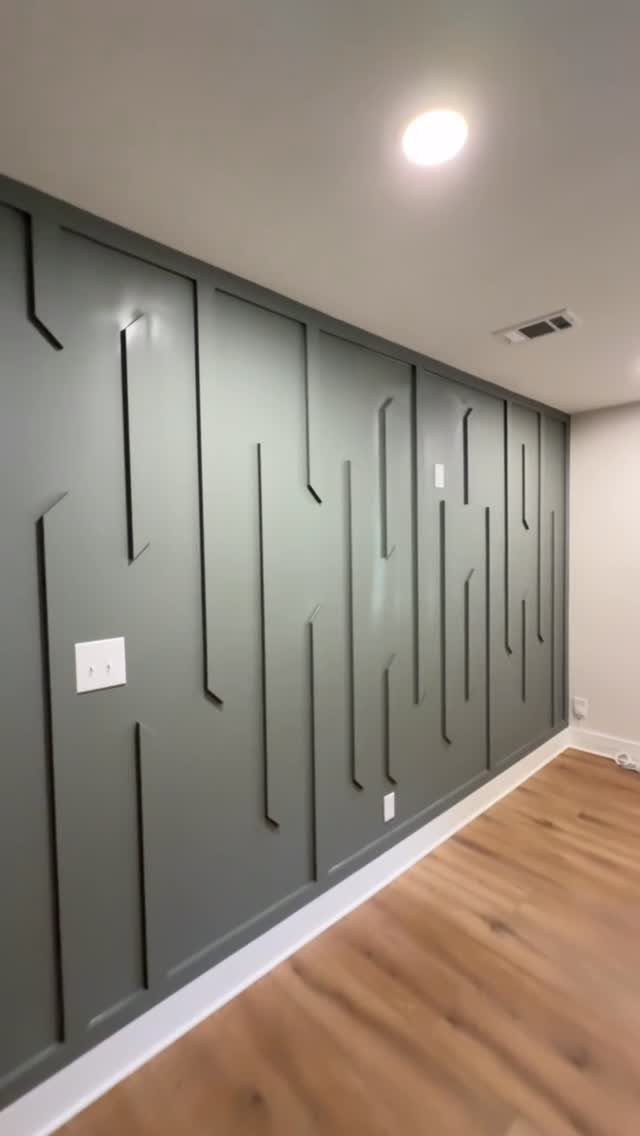
Raised vertical strips on a dark grey wall create a 3D pattern from nothing but straight lines.
Painting the strips and the wall one color keeps the focus on shadow and shape, so the pattern shows as the light shifts through the day.
Pick one wall and leave the rest plain. Work around outlets and light switches carefully, and measure your spacing before you fix a single strip.
13. Denim Pocket Organizer
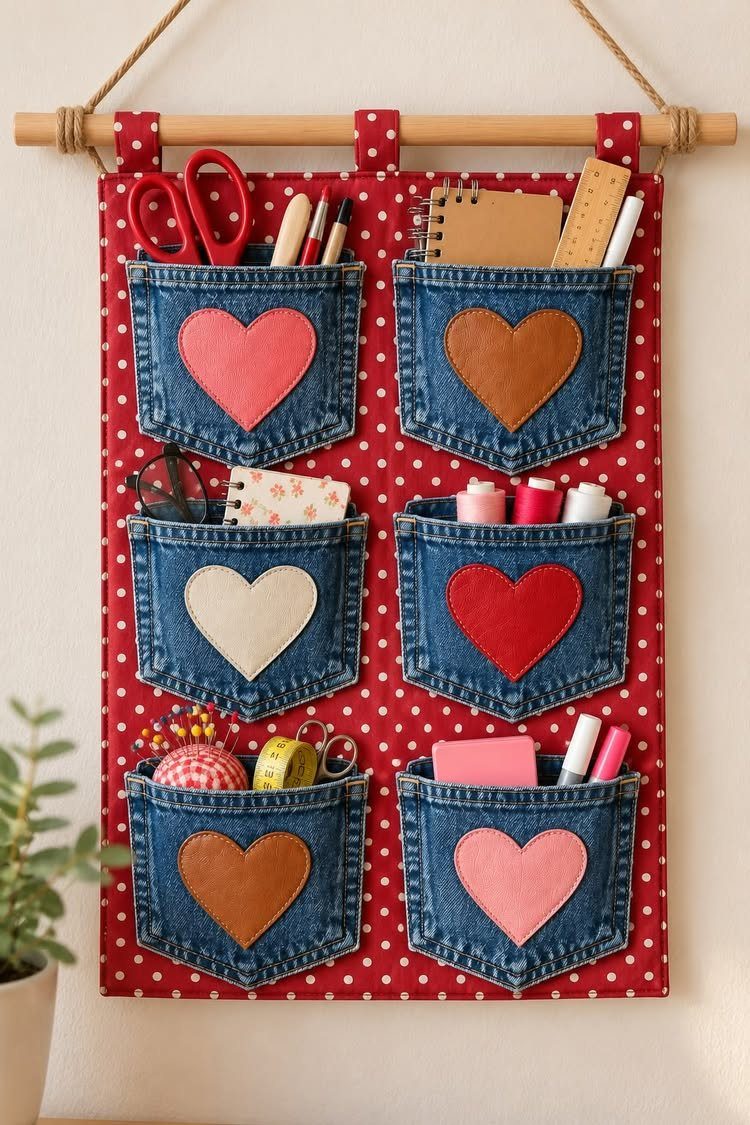
Denim pockets stitched onto a fabric panel turn a blank stretch of wall into storage that sits at arm’s reach. Old jeans are the obvious source, so the cost is close to nothing.
Hang the panel from a wooden rod and put heavy tools like scissors in the bottom pockets so the weight stays low.
14. Wooden Name Sign
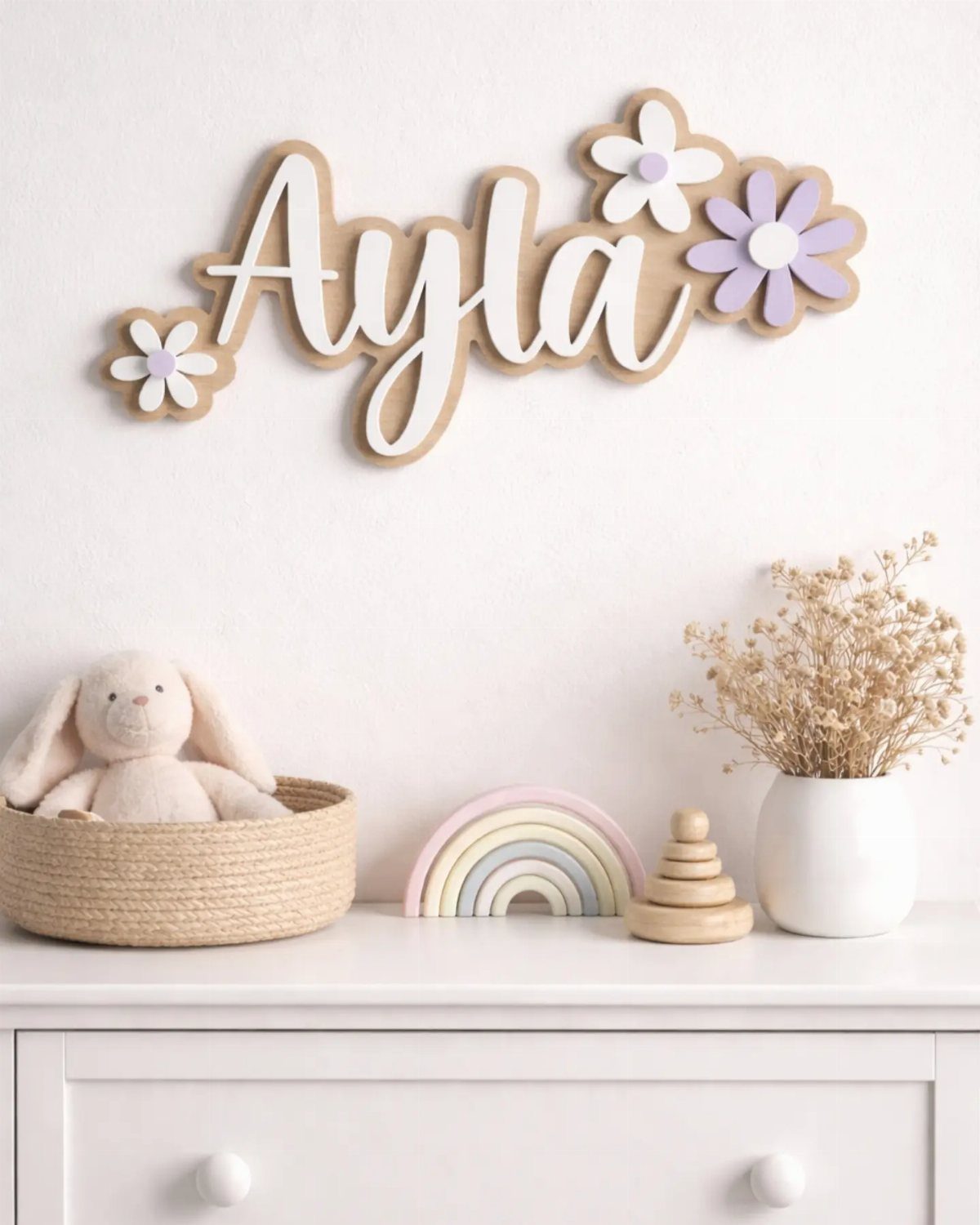
A name cut from wood and hung above a dresser anchors a child’s corner at eye level. Flowers attached around the letters soften the hard edges, and dried ones keep the look going all year.
Short names suit this best. Sketch the letters on paper first, then trace them onto the board so the spacing is settled before you cut or paint anything.
15. Paper Wreath
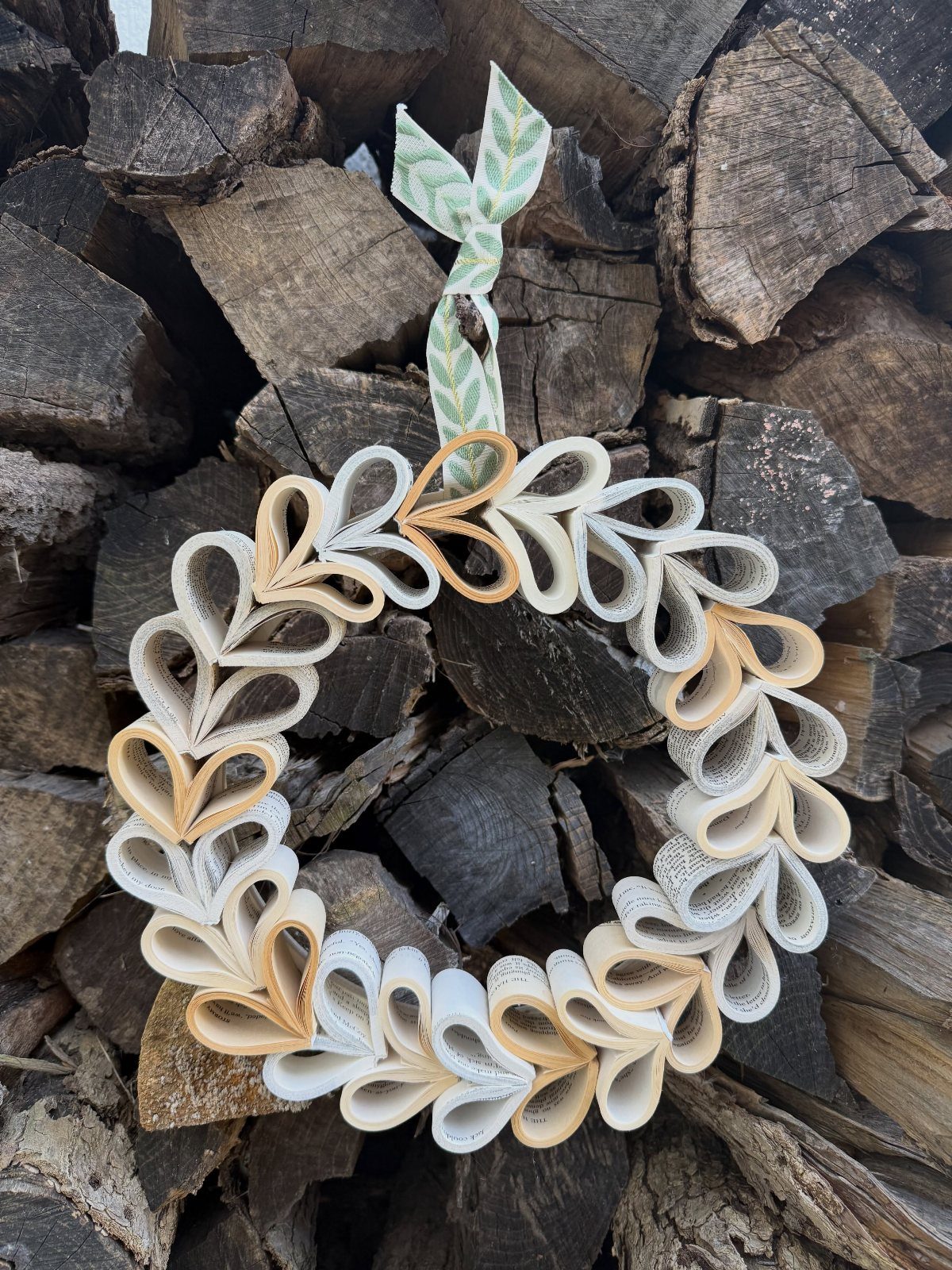
Old book pages, folded one by one and fanned around a ring, make a wreath with a texture paint can’t copy. A green and white ribbon ties it off, and the cream paper looks right next to natural wood.
Folding takes patience, since a full circle needs a lot of pages. A secondhand paperback you’d never read again is the cheapest supply.
16. Corkboard Travel Map
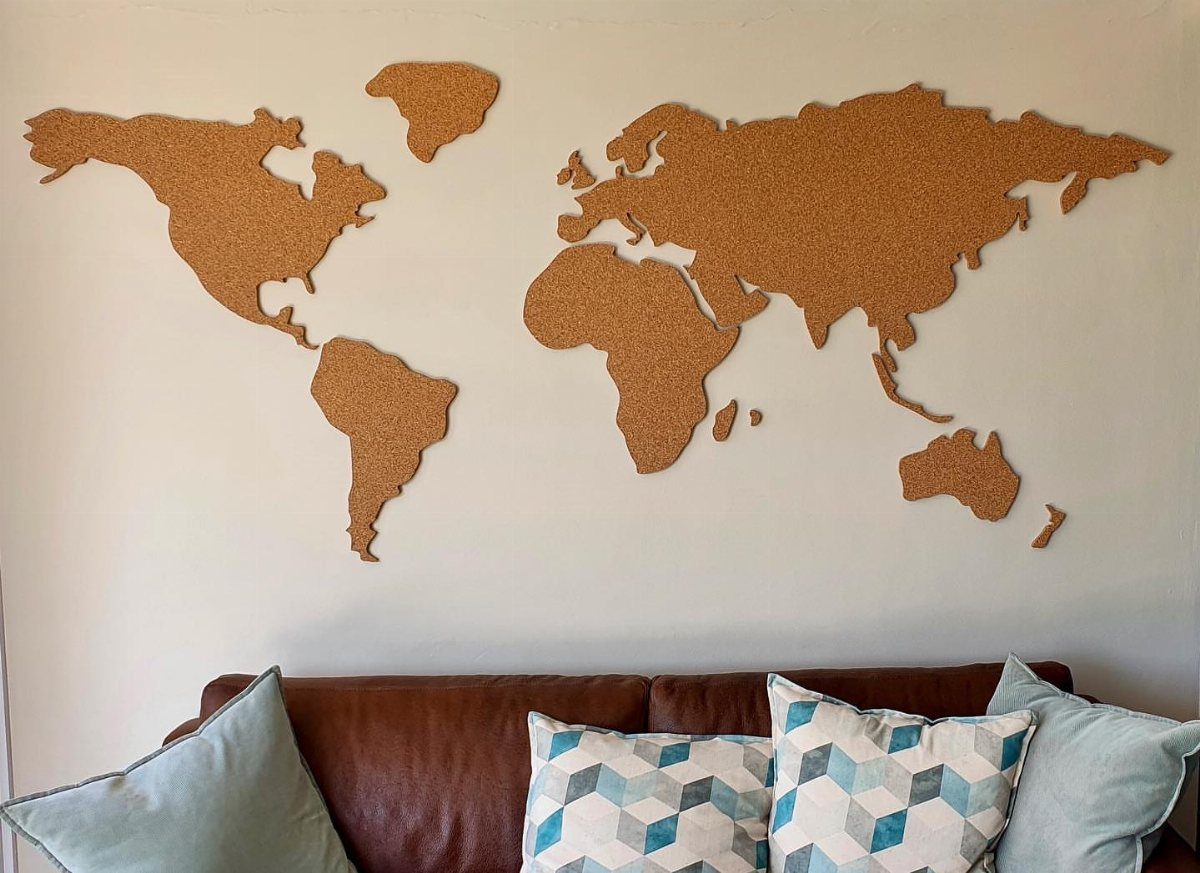
Cork cut into the shape of the continents makes a world map you can pin into.
A corkboard map above the sofa gives a plain white wall a reason to be looked at, and it works as a travel log too.
Choose light pushpins so the cork stays easy to read. I’d mount it low enough that people sitting below can reach the pins.
17. Wood-Framed Corkboard
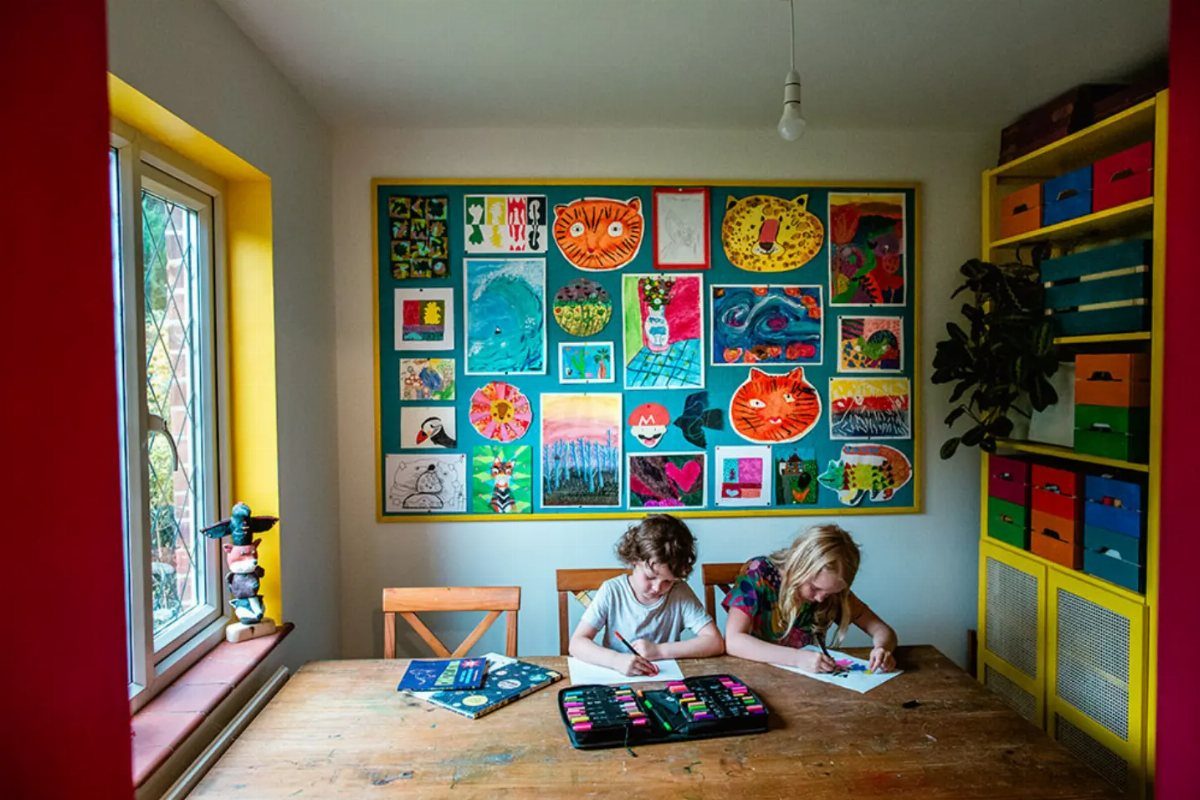
A wide wooden frame around a corkboard makes it look like part of the room instead of an office leftover. Painted a bright color, it can match the shelving nearby.
Size it big.
A large board holds a whole run of drawings, so new pieces replace old ones without crowding. Mount it low enough that kids can pin their own work.
18. DIY Craft Room Organizer
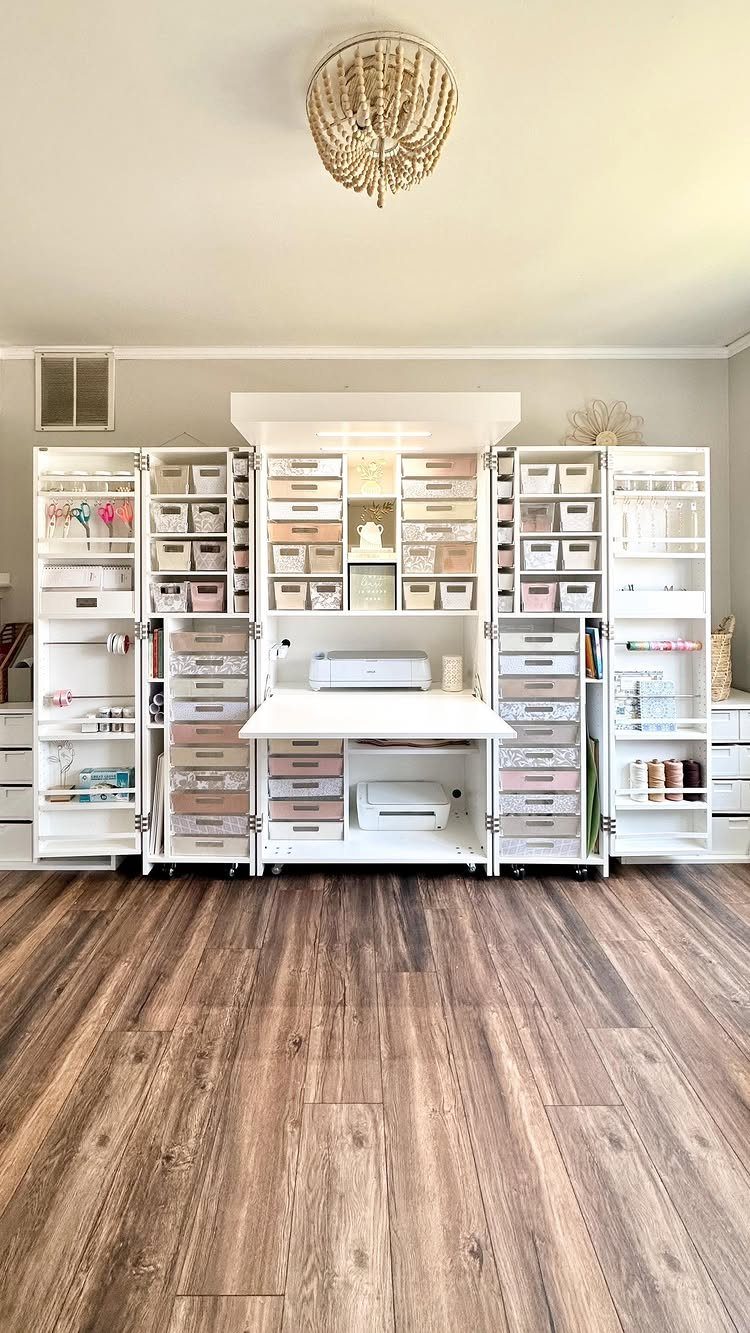
White shelves, drawers and clear bins wrapped around a central desk put every supply within a short reach. Use clear bins for the supplies you grab most, and save drawers for the odds and ends you’d rather not look at.
Group by type: paper in one bank, paints in another. White keeps the wall quiet, which matters when the supplies themselves are loud with color.
19. Cat-Shaped Supply Organizer
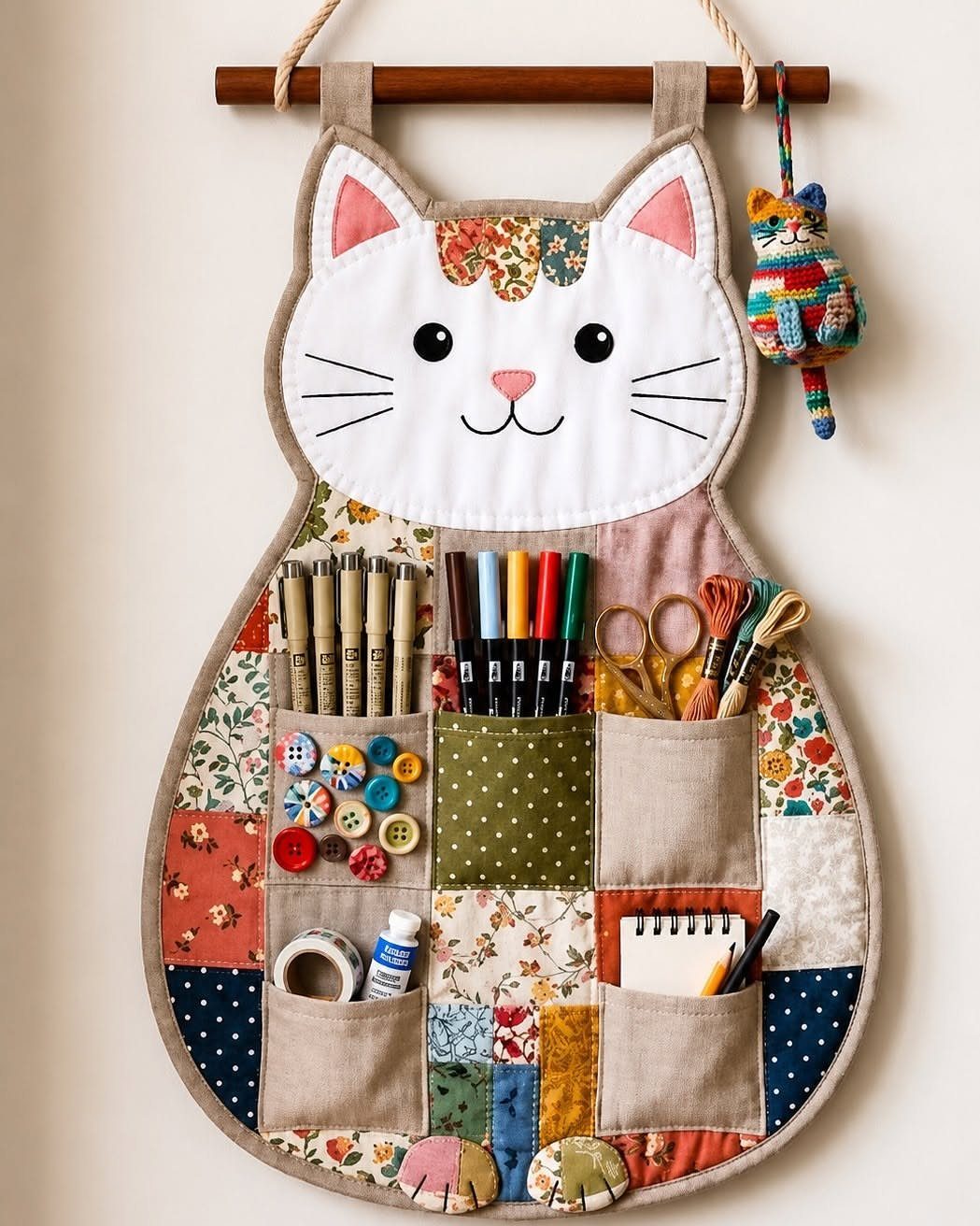
Patchwork pockets sewn into a cat-shaped panel hold pens, scissors and tape right where your hand lands, and mismatched scraps are the whole appeal.
A corkboard version with pencil holders and small bins is the sturdier cousin, if you’d rather skip sewing. Either one belongs beside the desk, close enough to grab from a chair.
20. Handmade Mini Planters
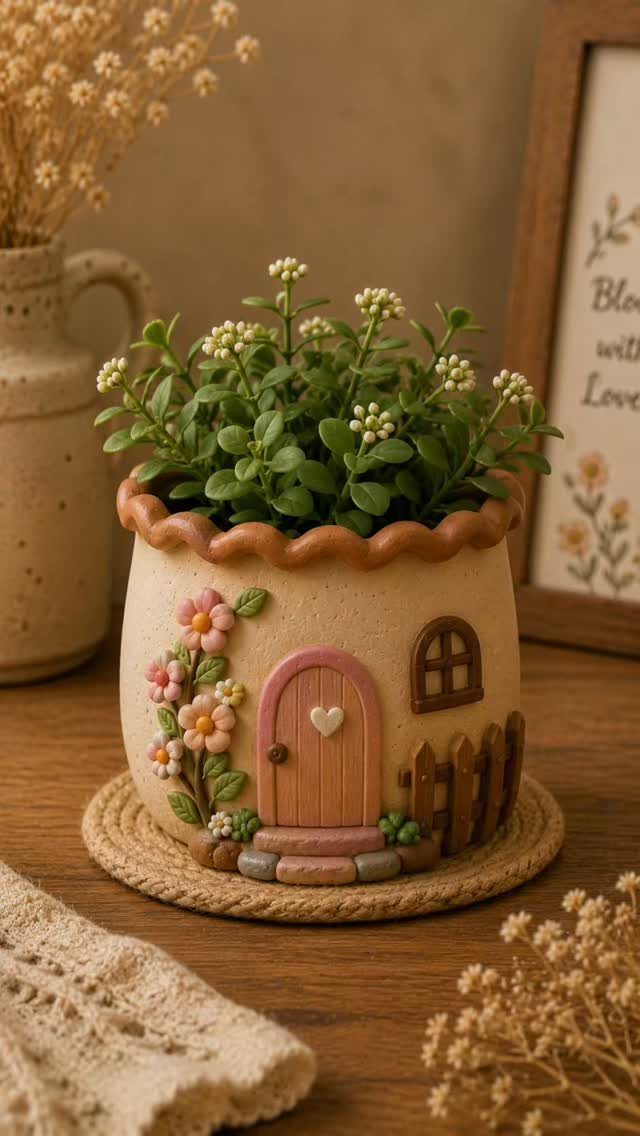
A cottage-shaped clay planter with a pink door turns one small plant into a tiny scene. Hand-shaping it costs little, and the maker says it was made with a lot of love, which shows in the uneven edges.
Set it on a coaster so the clay doesn’t mark the wood. Succulent containers with their own character work the same way, and a cactus-shaped ring holder can pull double duty for jewelry.
21. DIY Terrarium Display
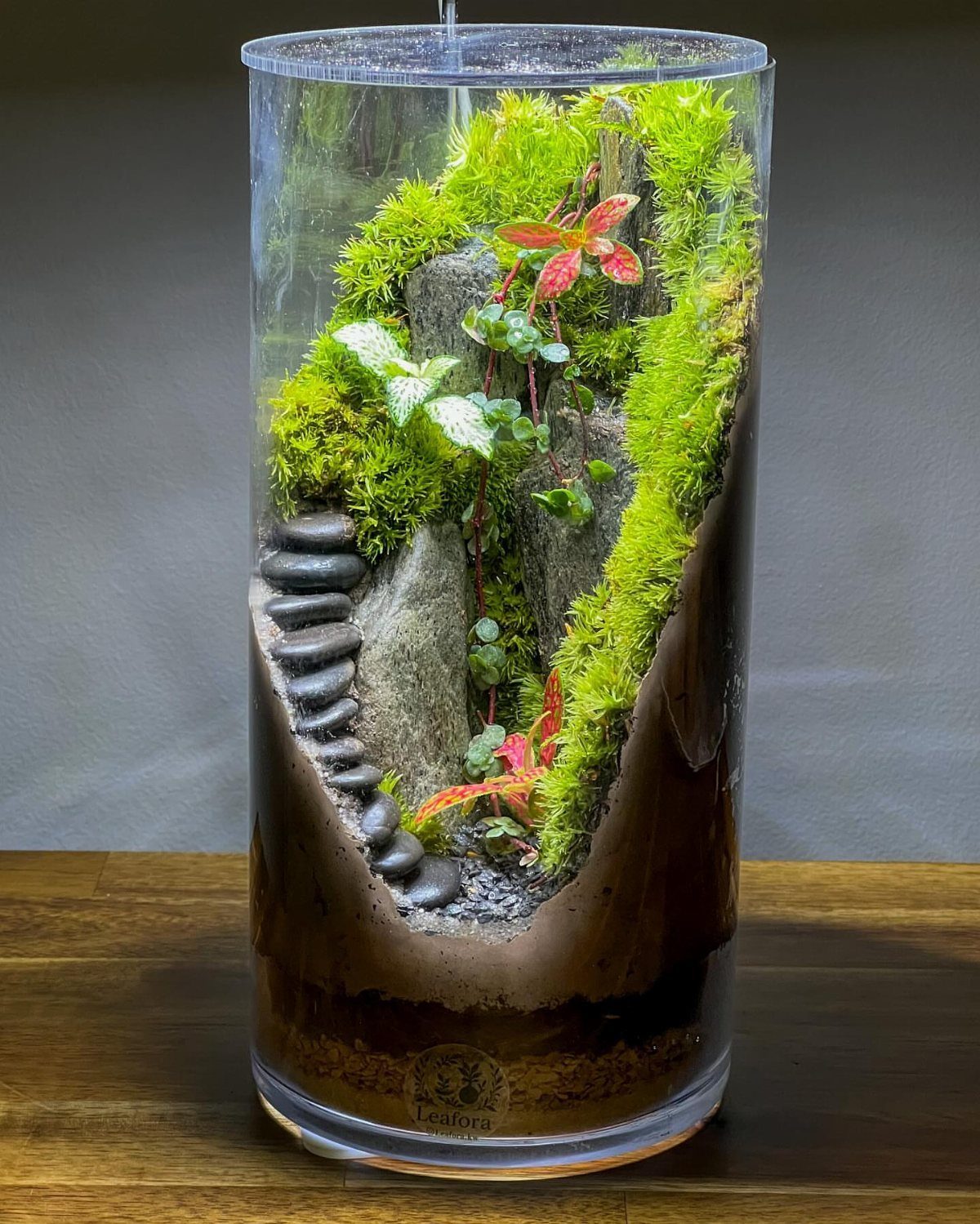
Layers do the work in a tall glass cylinder: rocks at the base, soil above, then moss and small plants on top. Seen through the glass, each band reads like a cross-section of a tiny landscape.
Build it slowly, one layer at a time, so the lines stay clean against the wall of the glass. A tall jar is a good fit for a shelf or desk where floor space is short.
For a different look, a ceramic bowl can hold succulents and a few lights.
22. Fairy-Light Bottle Decor

A whiskey bottle fixed to a dark wood board, with fairy lights running out of the neck and into a glass, looks like a pour that never ends.
The board hangs from a black chain, so it works on a wall without a shelf.
Empty bottles are free, which suits a small budget. For a softer take, a frosted bottle with hearts and a quote glows nicely too.
Put the battery pack where you can reach it.
23. Leaf-Print Coasters
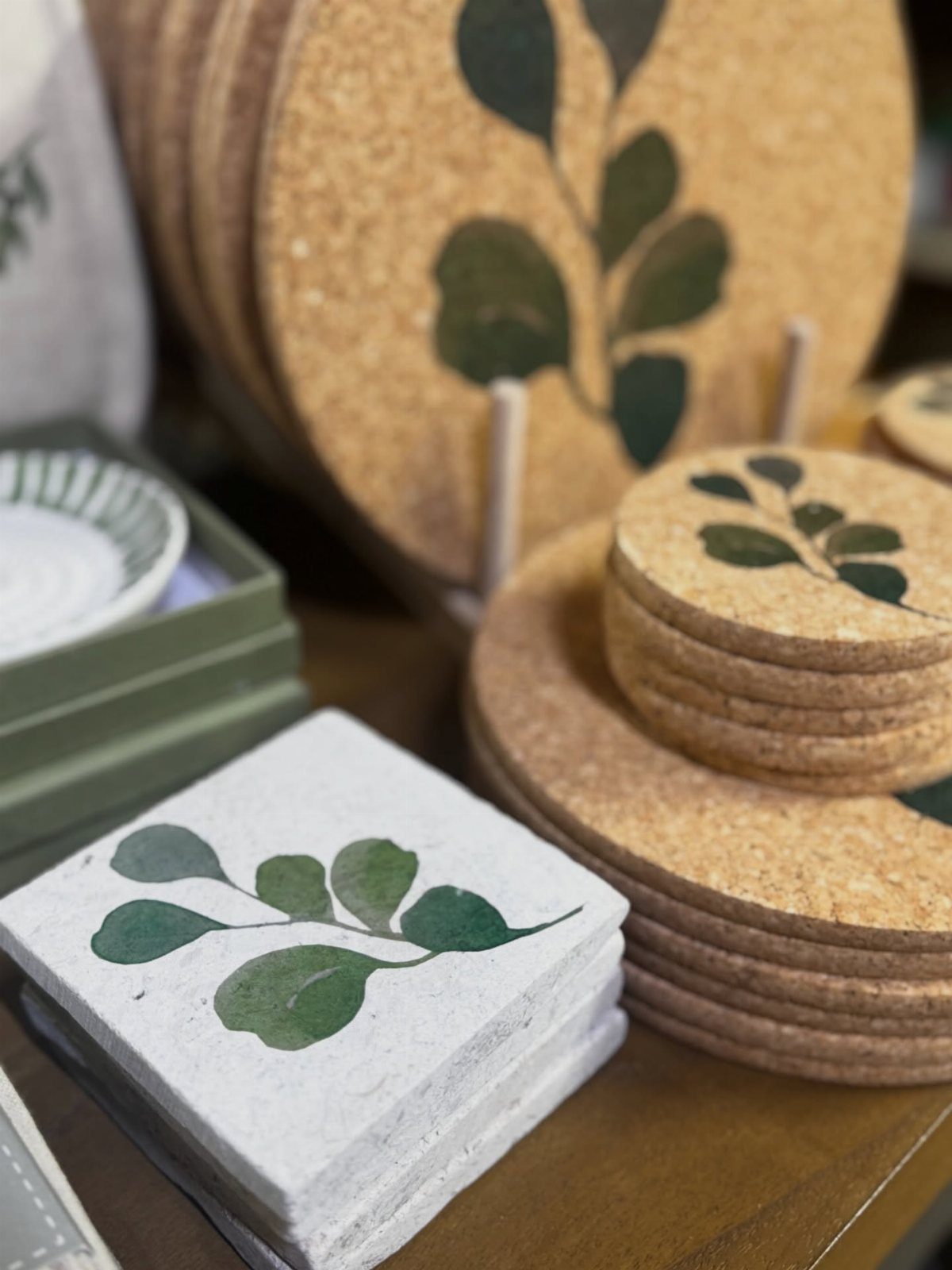
Green leaf prints look best when the shapes vary a little, and I like cork and stone side by side: round and square, warm and cool. Keeping the print color the same ties the 2 materials together.
Stack a few on a small tray so they read as a set on the table. Cork is the easier base for a first try.
24. Fabric Letter Decor
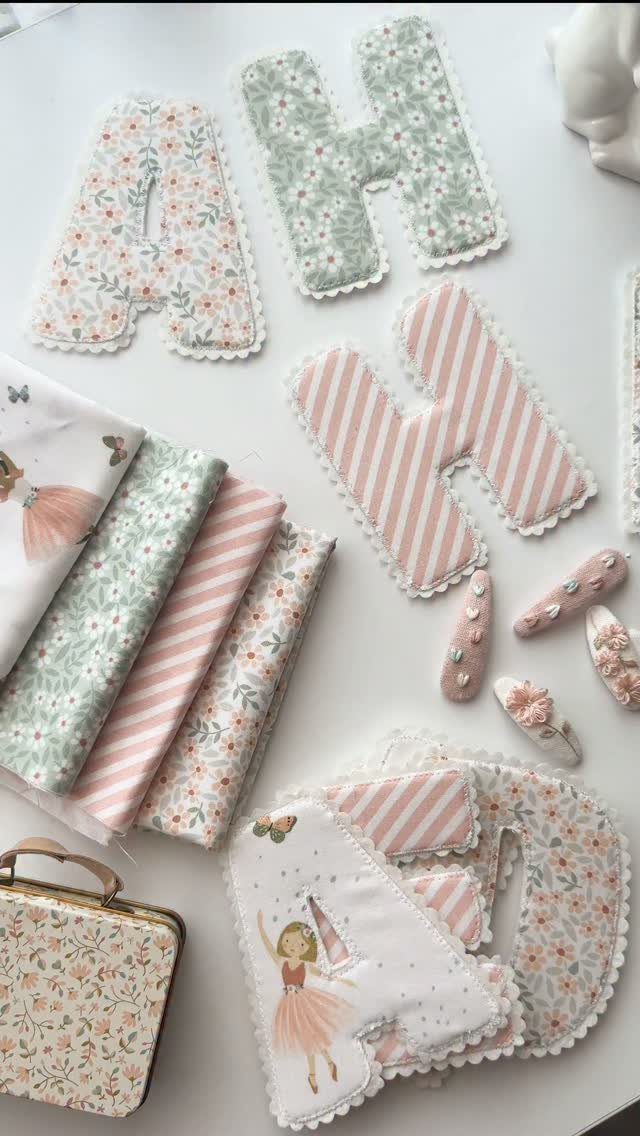
Stuffed fabric letters made from floral and striped scraps turn leftover cloth into something you can spell with. Mixing the 2 patterns keeps a short word from looking stiff.
Cut the front and back from the same pattern, then stuff the letter lightly so the shape stays crisp.
Thick, simple letters are the easiest to sew. Prop them on a shelf or a dresser, where the colors have a plain surface to stand against.
25. Decorative Bookends
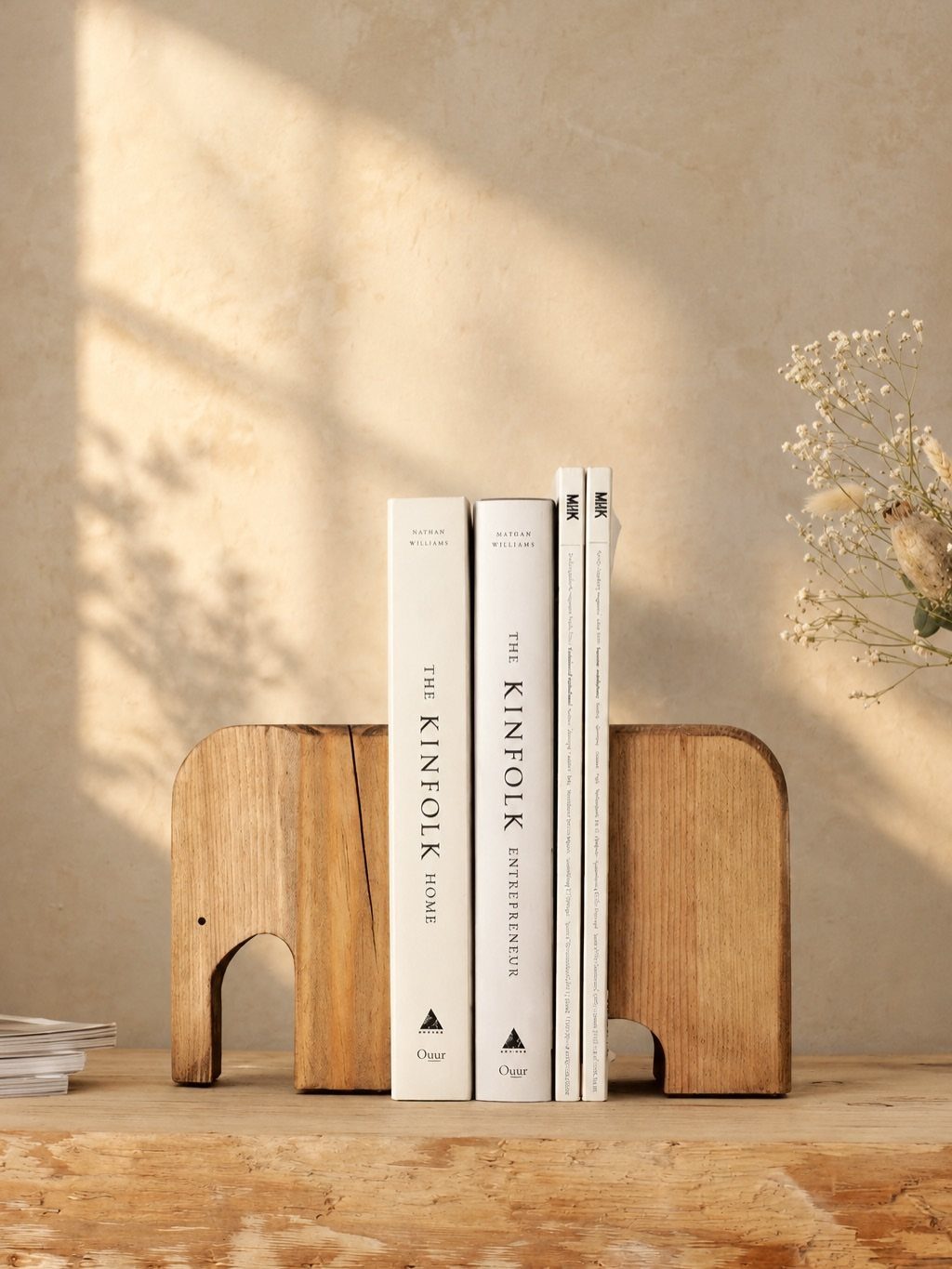
Carved elephants hold a row of books upright with a bit of personality, and wood keeps the pair warm against a rustic tabletop.
2 matching animals set at either end of a shelf read as a deliberate pair, so a few books between them look styled instead of stacked.
Stand the books close together so the elephants have something to lean against. White or pale covers contrast with the darker grain, and a single tidy row of books fills the span without crowding.
Wood is also a forgiving material for a first carving or cutting project.
Renter-friendly Room Updates
Washi tape is the safest way to add color to a rented wall, because it comes off clean. Run strips into a border, a grid or a stripe, and the wall looks untouched on move-out day.
Tape also works as a stand-in for a picture frame. Outline a rectangle on the wall and put a print or a paper piece inside it, with no drilled holes to patch later.
If you build a clothing rack, leave out the wood glue. A rack you’ll take apart and put back together several times needs joints that can come apart, and it packs flat for the next move.
Spray paint belongs outside. Carry small pieces to a balcony, yard or driveway before painting, since overspray on a rental’s carpet or floor is hard to undo and can cost you part of your deposit.
Frequently Asked Questions
How do you make DIY room décor?
Settle on a theme for the room before anything else, pick the one spot you want eyes to land on, then choose projects that serve both and build your shopping list from them.
Cover your workspace with a drop cloth or tarp before you start.
How do you decorate your living room DIY?
Start with handmade wall art, bookends and vases, then add DIY pillows, crate furniture or an upgraded lamp. Colorful pieces mounted on raw wood planks against white paint keep a bright palette from feeling loud.
A pair of carved wooden animals at either end makes a short row of books look deliberate, and white-painted bottles hold stems well as vases.