

Small kitchen lighting separates into 3 functional layers: ambient light that covers the room, task light that focuses on work surfaces, and accent light that adds warmth or highlights a detail.
The choice depends on whether you can hardwire or need plug-in options, how much shadow you can tolerate, and where different fixture types fit without crowding sightlines.
A pendant over the island can anchor the layout, while a crystal chandelier lifts the ceiling line and makes the room feel less cramped.
1. Under-cabinet Lighting
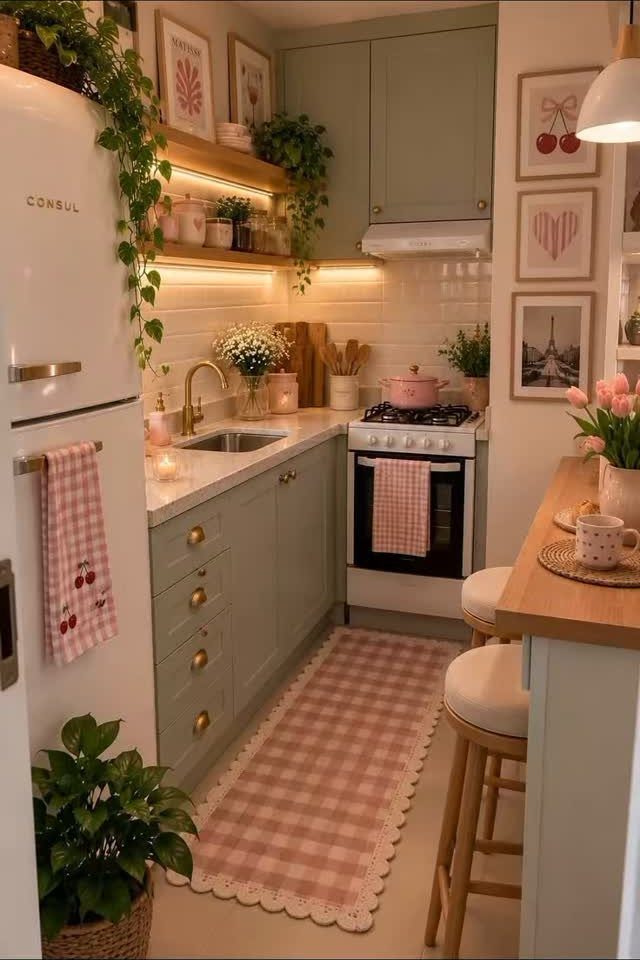
Strips of LED mounted along the underside of wall cabinets throw light directly onto the counter where prep work happens.
In a small kitchen, that keeps task light off the ceiling and leaves more headroom in a space that may already feel tight.
Most hardwired strips need an electrician, but plug-in versions install with adhesive backing and run from an outlet behind the fridge or inside a cabinet.
I’ve seen both work well. Either way, color temperature matters: 3000K reads warm without looking yellow, and anything cooler can make food look gray under task light.

Upgrade Your Home's Ambience: The brushed black finish and bubble crystal cylinder of our pendant lights kitchen island 3-pack create a stylish and elegant atmosphere that enhances any room. Ideal for use in your kitchen, dining room, bedroom, interior hallway, bar, or coffee shop, this modern light fixture is perfect for single or group use.

Product Highlights:Elevate the sophistication of your kitchen island with our exquisite modern pendant lights. Boasting a sleek gold chandelier finish and a design that is truly one-of-a-kind, these led pendant lights seamlessly blend into any space, infusing your bedroom, bathroom, kitchen island, balcony, corridor, or staircase with a minimalist yet powerful modern aesthetic
2. Pendant Lighting
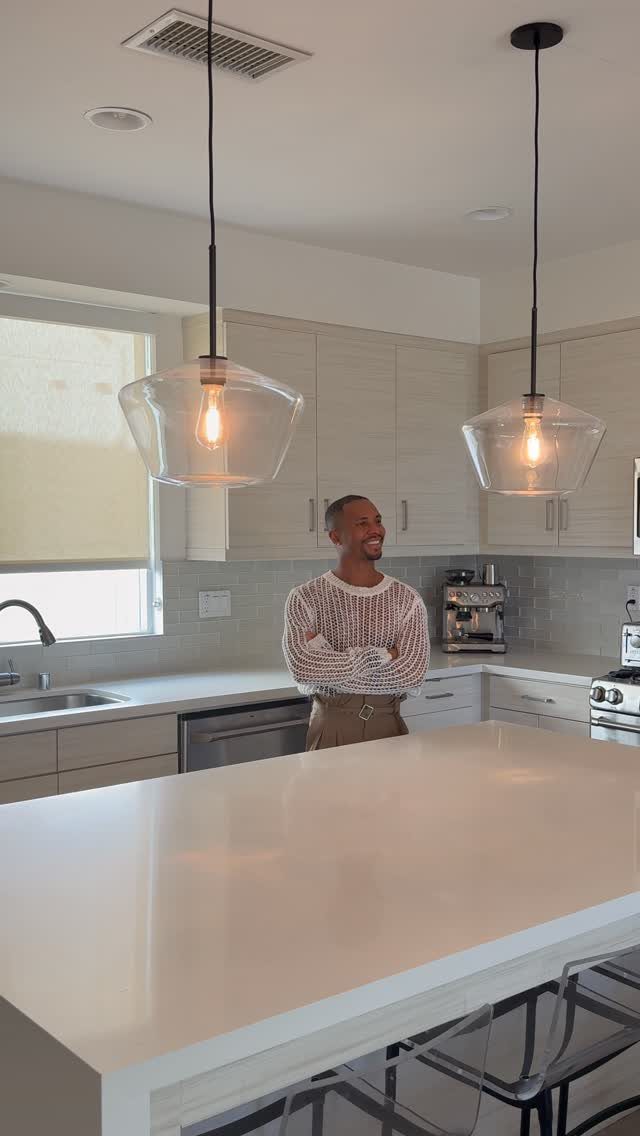
A pendant drops light from a single cord or stem, and in a small kitchen that can put focused brightness exactly where you need it without a surface fixture taking up counter or shelf space.
The 2 glass shades here let the bulb shine through in all directions, which softens shadows and keeps the fixture from blocking sightlines across the room.
Hang pendants low enough to light the work surface without creating glare when you sit or stand at counter height.
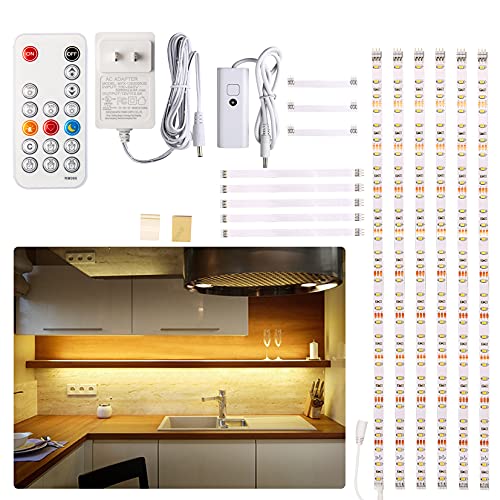
DIY LED light strip: 6 PCS pre-cut strips, total 9.8 ft,many kinds of connection option,Great way to upgrade your cabinets,closet,desk,bookshelf,bed,wardrobe,display case,bedroom,workbench etc

DIY cabinet strip lights:Great way to upgrade your Cabinets,Closet,Desk,Desk-hutch,Bookshelf,Wardrobe,Bedroom,Workbench,kitchen island etc

Warm White and Daylight White : Dimmable Under Cabinet Lights Plug-in LED Strip Lights for kitchen, 6 PCS pre-cut LED lights strip. White cabinet light Suitable for DIY your kitchen, cabinet, closet, counter, shelf, TV back, showcase and anywhere you want
3. Lighting Over Island
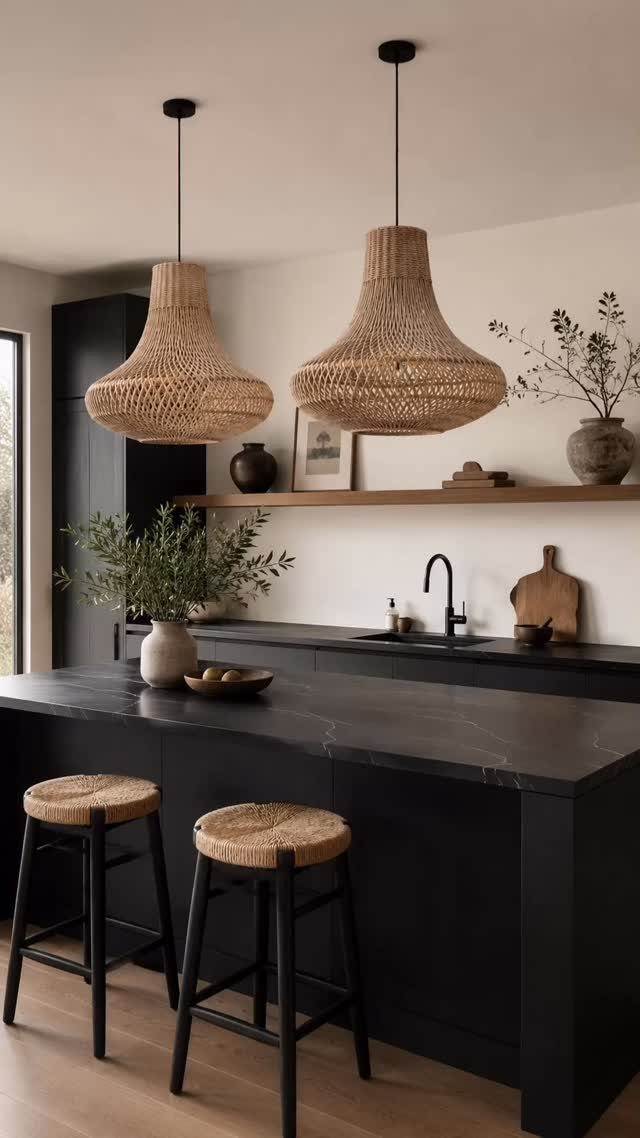
Positioning pendants directly above the island centers the brightest zone over the one spot that doubles as prep surface and gathering place.
2 fixtures spaced evenly across a longer island keep the light balanced instead of pooling in the middle and fading at the ends.
The woven material here adds texture that draws the eye up, which can make a low ceiling feel less compressed.
I like this approach when the island is the only real work zone and you want one strong focal point instead of scattered small lights.

Sunco 12 Pack BR30 LED Bulb Flood Light, E26, 11W=65W, 5000K Daylight
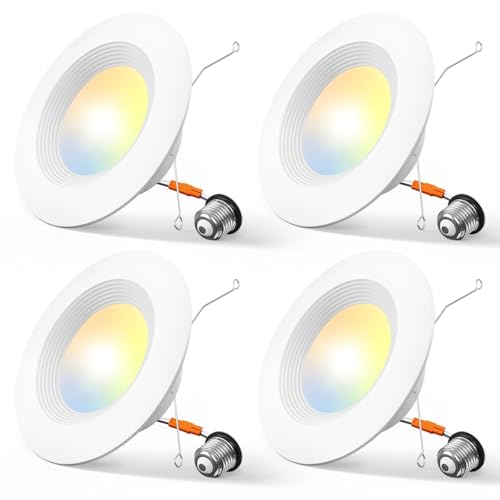
Eye protection: The brightness of the can lights can be smoothly adjusted from 10% to 100%, so you can choose the most comfortable brightness for your eyes. Note: This light is compatible with most dimmers on the market, except for the smart dimmer.

5 CCT-in-1: 5 color temperature(2700K, 3000K, 3500K, 4000K, 5000K) is selectable to you, which successfully eliminates the hassle of returning or exchange products due to inappropriate color temperature. Just slide the switch on the side of the J-box and you will get the most-desired color that best fit in your room type.
4. Mini Pendants
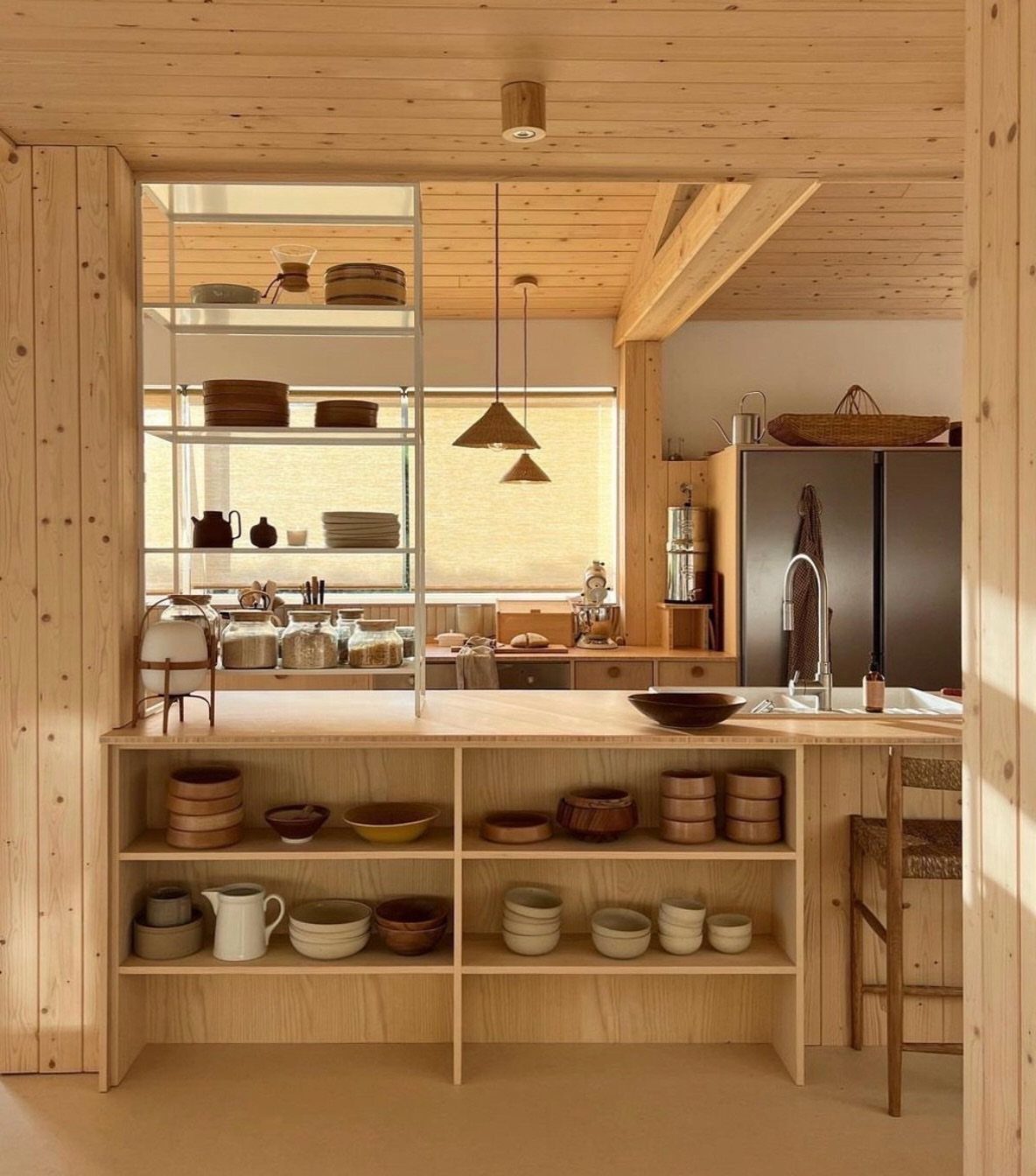
Smaller pendants keep the overhead fixture in proportion when the ceiling is low or the room is narrow. These cone shapes are small enough to light a prep zone without the bulk of a wider shade crowding the sightline.
In tight spaces, scale matters as much as brightness. I often use mini pendants in galley kitchens or above a small breakfast bar where a standard pendant would feel like it’s hanging in your face.
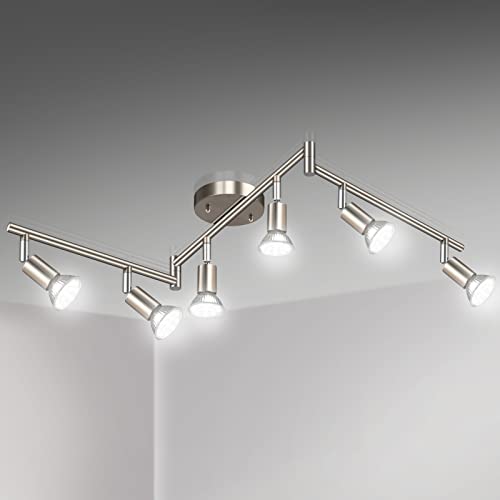
Concise Design: The Unicozin led track lights has an industrial yet traditional design, the straight line of the track bar pairs with the exposed socket construction and is finished off with a matte silver to complete the perfect minimalist design
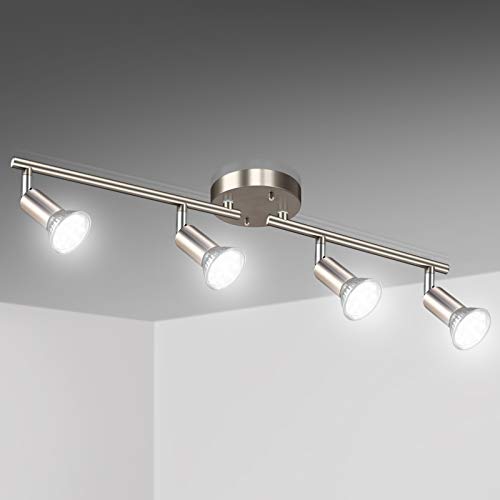
Concise Design: The Unicozin led track lights has an industrial yet traditional design, the straight line of the track bar pairs with the exposed socket construction and is finished off with a matt silver to complete the perfect minimalist design

Modern Stylish Design: The 4-way ceiling track light make from high-quality metal with matte nickel finish, no fading, corrosion resistance. The 4-track heads offering suffcient illumination to create right ambience for your home
5. Globe Pendants
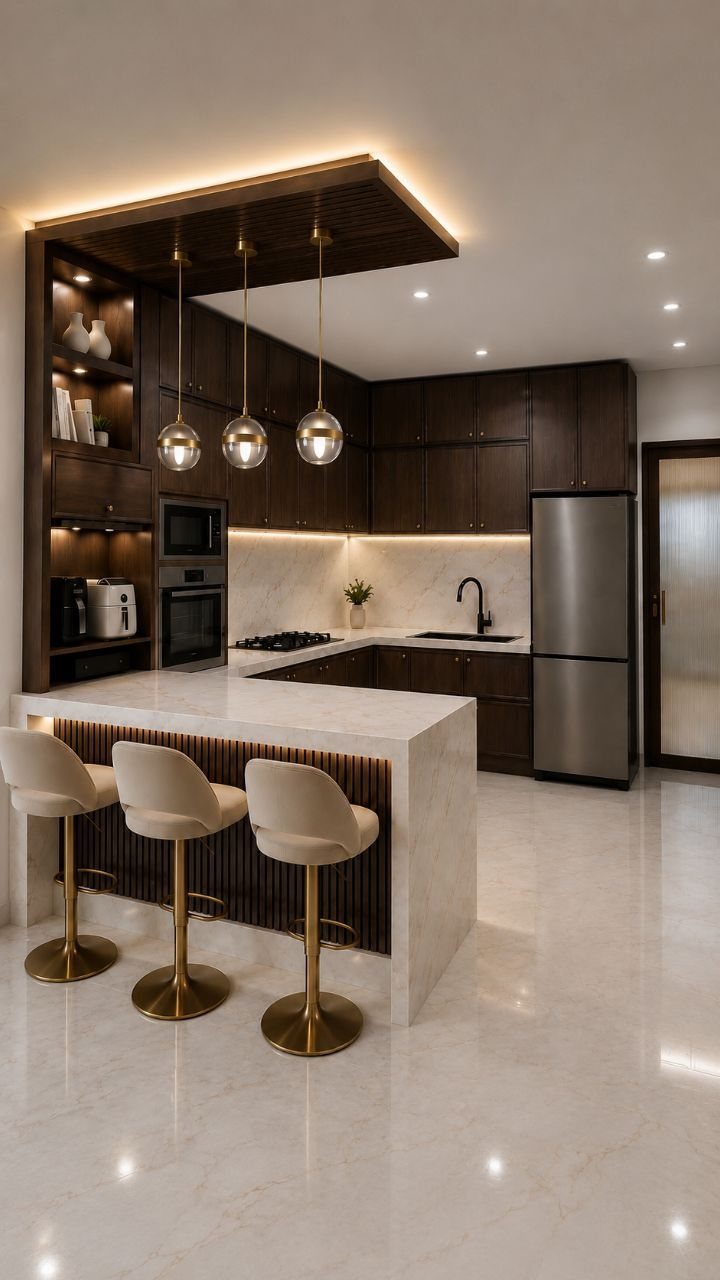
A clear or lightly tinted globe shade spreads light in every direction while taking up less visual weight than a solid drum or metal cage.
That matters in a small kitchen where a heavy fixture can make the ceiling feel lower. Glass also reflects any natural light in the space, which helps when windows are small or facing a courtyard instead of open sky.

Hand Wave Activation: Say goodbye to fumbling for switches. These under cabinet lights for kitchen features a built-in hand-wave sensor, allowing you to effortlessly turn the lights on and off with a simple wave of your hand. Experience the convenience of intuitive lighting control.

💡 Brightly LED Light -- The LED under cabinet lighting kit is composed of 2 x12-inch light bars. Each light bar has 33LEDs and 400 lumens, covering a wide range. The color is best for detailed work and kitchen cooking.
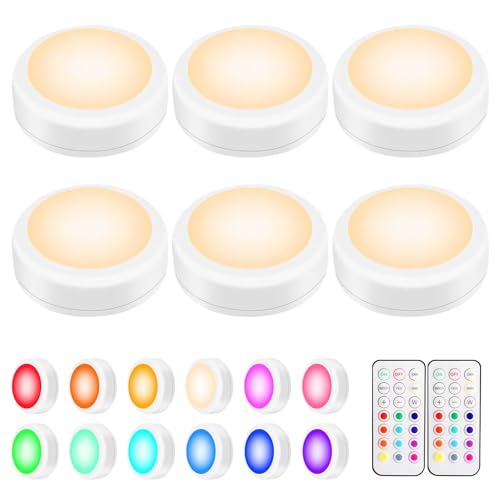
WIRELESS REMOTE- 6 LED puck lights with 2 remote controls. Turn the puck light ON/OFF with the remote or the tap lens. Remote can control all RGB lights at up to 20 feet distance. No hassle to control the battery lights even in hardly reached places.
6. Open-frame Pendants
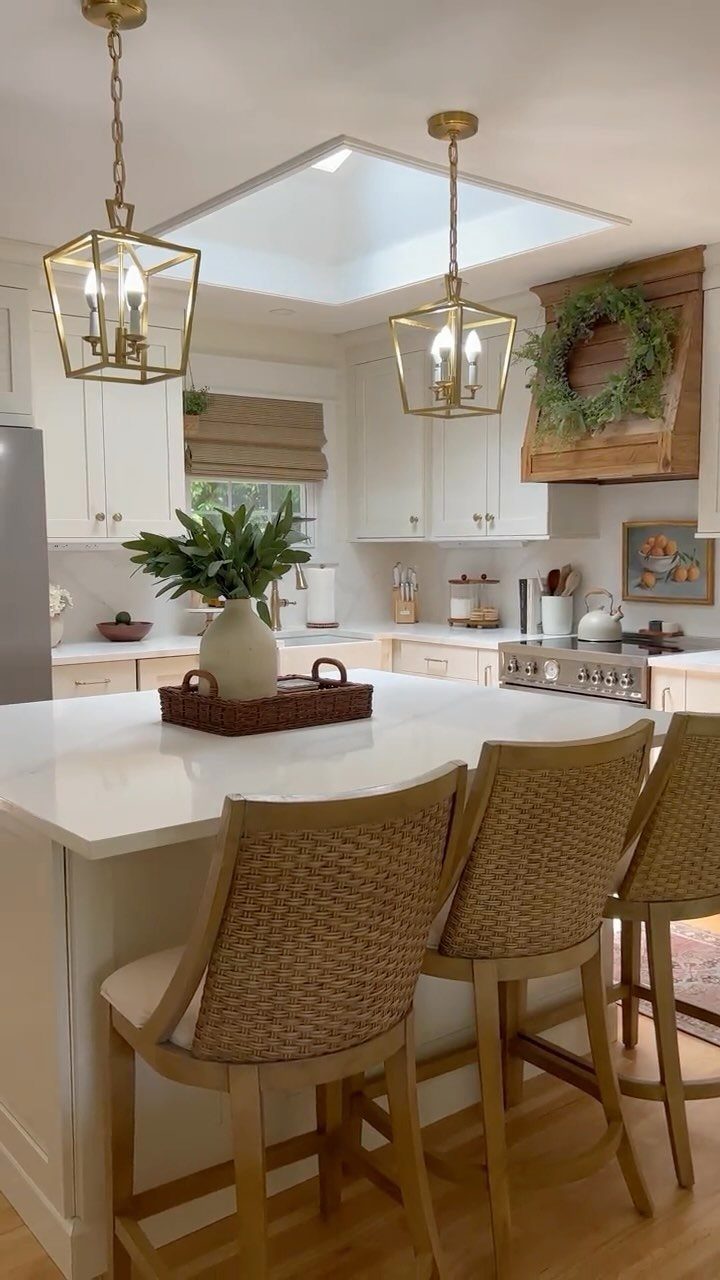
An open metal frame gives the structure and presence of a lantern without the solid panels that can make a fixture feel bulky. The 2 gold frames here keep sightlines clear while still anchoring the space above the island.
In a compact kitchen, that balance matters: you want the lighting to register as intentional, but you don’t want a pendant that walls off one side of the room from the other.
I choose this style when the ceiling is low or the layout is open and the fixture needs to feel part of the room instead of a barrier across it.

Premium material: This pendant box is made of Premium, soft velvet interior and exterior better protect your jewelry.

UNIQUE DESIGN - Spiral LED pendant light is designed in a unique modern looking style. Unique and stylish design LED pendant light fixtures will surely become an eye-catching decoration and practical lighting fixture in your home.

【Dual Frame Design】The modern pendant light features a dual frame design with a rotatable inner frame, allowing for flexible adjustment of the light angle.EIDISUNY LED Pendant Light is not only a light fixture, but also a better way to decorate your home!Perfect for kitchen islands, bedrooms, living rooms, dining rooms, hallways, bars and more.
7. Linear Pendants
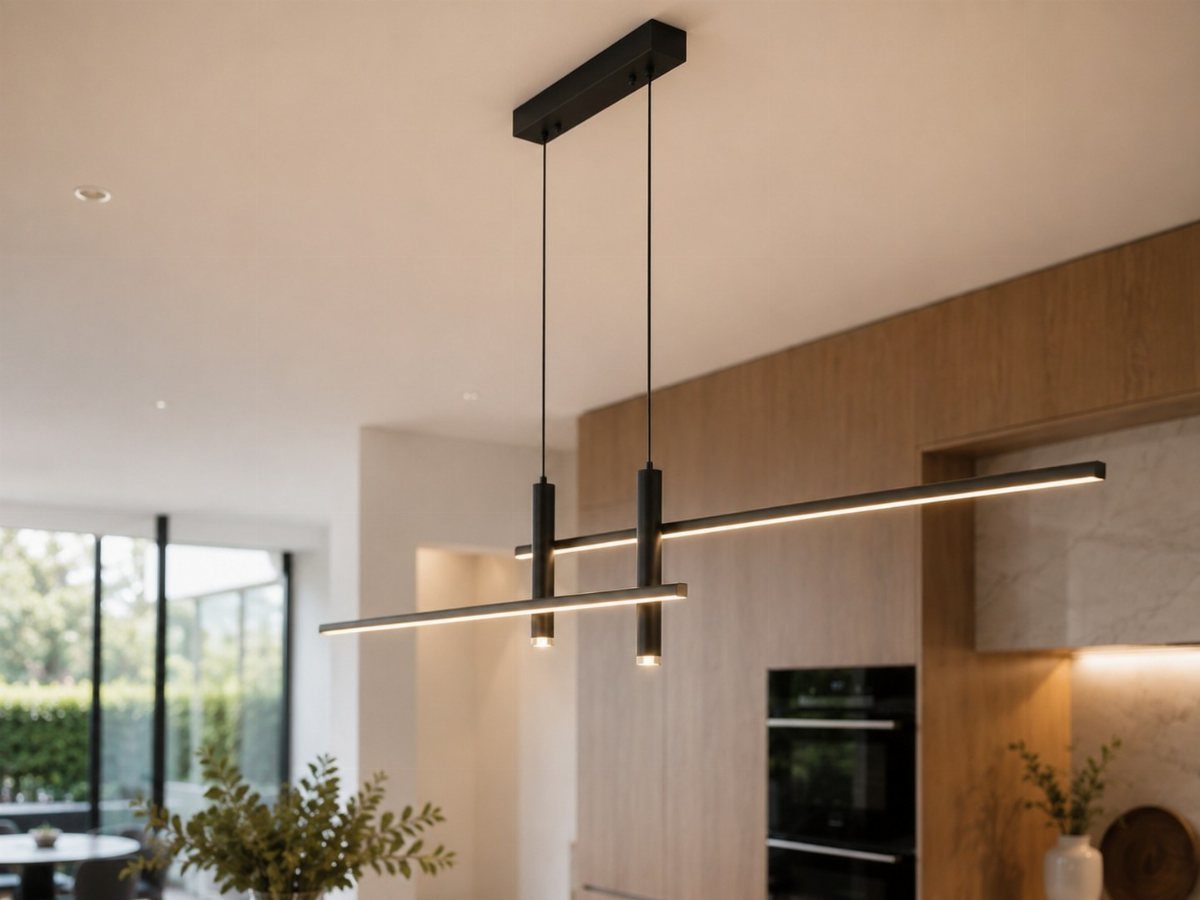
A linear pendant runs long and narrow, which suits an island or narrow counter better than a round fixture that can crowd the space.
The proportions here let one fixture light a wider span without hanging multiple pendants, and that keeps the ceiling plane cleaner in a room where too many cords can make the space feel cluttered.
I use this shape when the work surface is rectangular and counter depth is tight, because the light follows the direction you actually move.

【SUPER BRIGHT】: 1050 lumen super bright strip lights, can easily illuminate the dark areas under the cabinet. 16.4ft tape light with 300 PCS SMD 2835 warm white LEDs, as auxiliary lighting or decorative lighting, is a perfect choice.
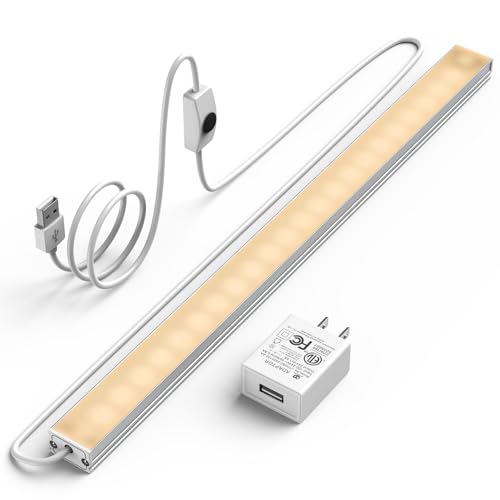
𝟓𝟎𝟎𝐋𝐌 𝐁𝐫𝐢𝐠𝐡𝐭 𝐔𝐧𝐝𝐞𝐫 𝐂𝐚𝐛𝐢𝐧𝐞𝐭 𝐋𝐢𝐠𝐡𝐭 - Working great with bright color and super brightness, the ASOKO cabinet light features an elegant low profile appearance, Warm white 3000K, covering a lot of range. The portable led counter light bar creates a great way to upgrade your cabinets, closet, desk, TV back, bookshelf, bed, wardrobe, display case, etc. ★NON RECHARGEABLE★
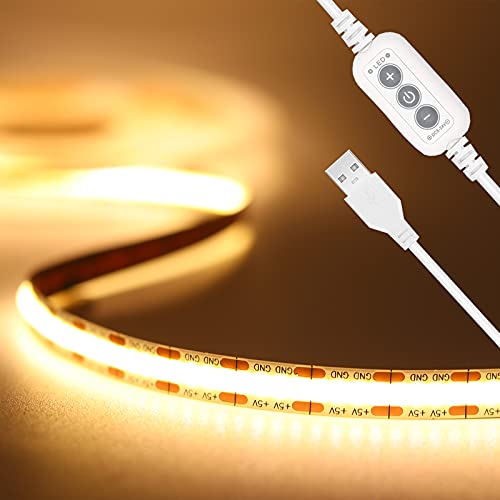
【Brighter TV Backlight】With 640LEDs in total(320LEDs/m),PAUTIX warm white COB USB LED strip lights creates brighter and super even lighting performance,which is ideal for reducing eyestrain(watching TV in the dark causes the eyes to constantly adjust between a bright screen and dark surrounding area)
8. Pendant Above the Sink
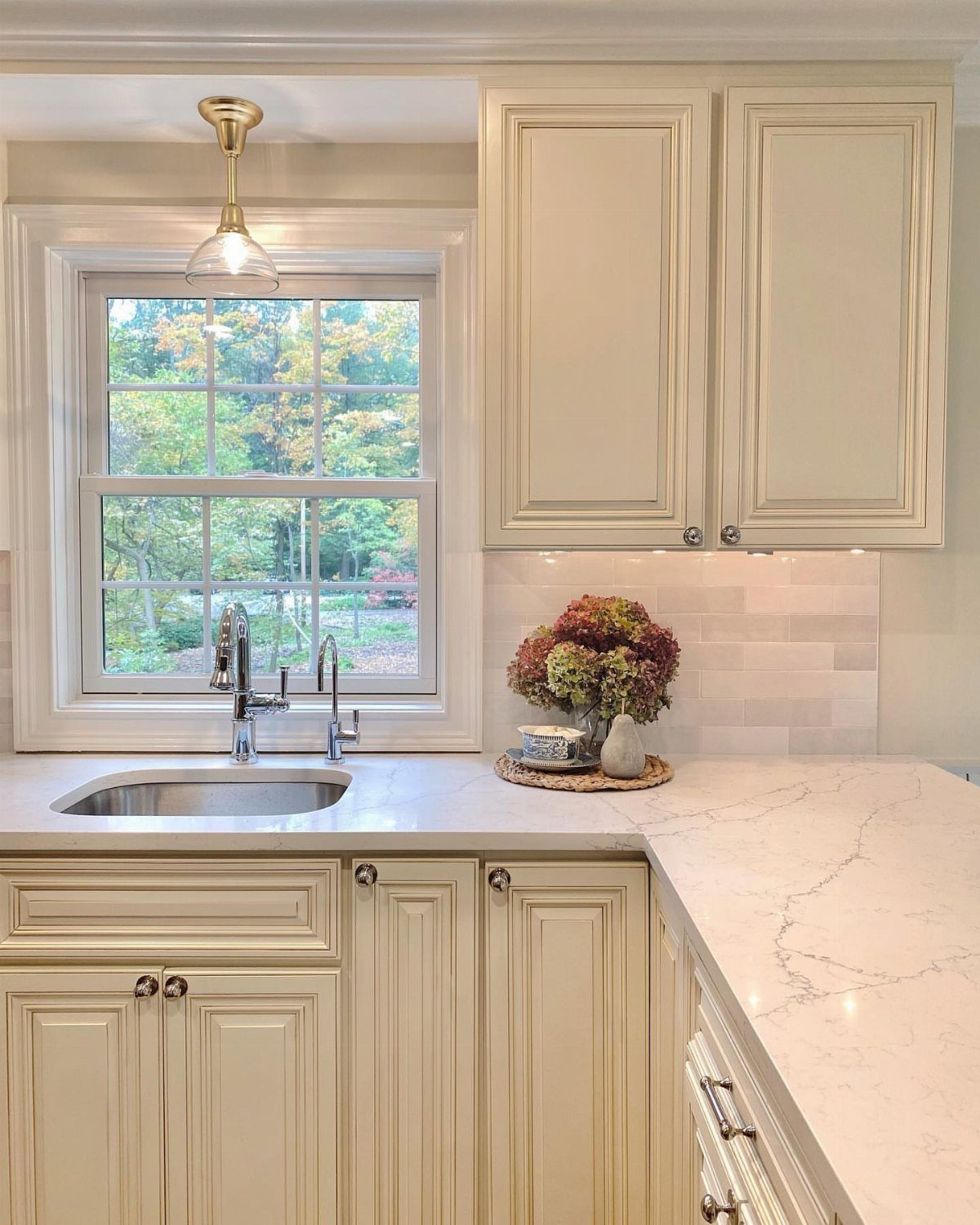
Placing a pendant directly over the sink puts focused light on dishwashing and prep without relying only on a ceiling fixture that may be too far back to reach the basin.
The single gold shade here hangs in front of the window, which does block some daylight but adds a warm glow at night when the sink becomes the most-used zone in the room.
I like this setup in kitchens where the sink sits on an exterior wall and there’s no cabinet above to mount an under-cabinet strip.


⭐ Top-Rated 5/6" Retrofit LED Downlight with Baffle Trim, Led Recessed Lights.

Increased diameter: The enlarged 7.2-inch diameter, fits 5/6-inch cans and perfect to covering rough drywall or hide oversized holes.
9. Wall Sconces
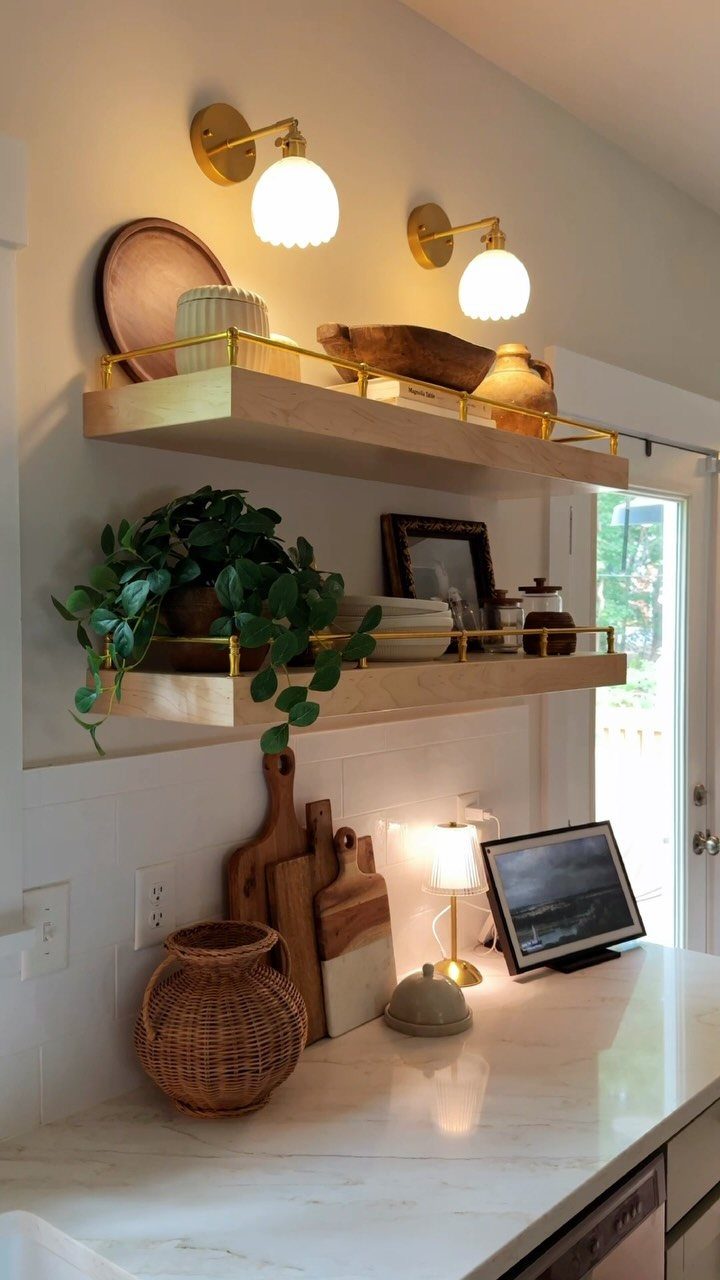
Sconces mounted to the wall free up ceiling space and put light exactly where you need it along a counter or open shelf.
The pair of gold-and-white globes here flanks the shelving, which lights the work surface below and adds brightness without a pendant hanging in the sightline.
Sconces work best when the ceiling is low or when another pendant would make the room feel crowded. They install on a standard junction box, and plug-in versions exist if you need to avoid hardwiring.

Concise Design: The Unicozin led track lights has an industrial yet traditional design, the straight line of the track bar pairs with the exposed socket construction and is finished with matte black to complete the perfect minimalist design

🌻【Modern White Track Lighting Fixture】Upgrade your home with this 5-light track lighting fixture ceiling mount, featuring a sleek matte white metal finish that complements modern, industrial, farmhouse, and contemporary interiors. Designed as a stylish ceiling light fixture for kitchen, living room, bedroom, hallway, entryway, bar, coffee shop, and gallery lighting applications.
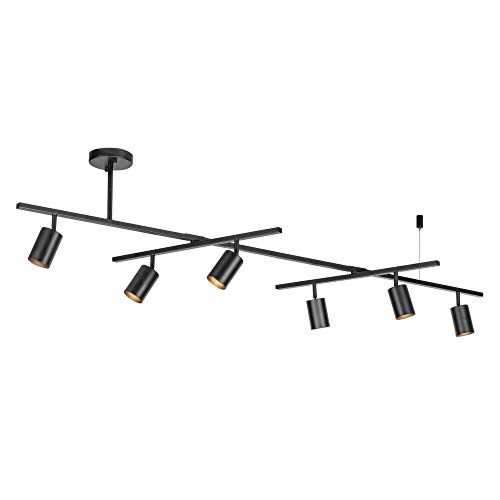
CUSTOMIZABLE LIGHTING: The center swivel bar and six adjustable spot heads deliver targeted, directional lighting perfect for kitchens, studios, and open areas.
10. Window Sconces
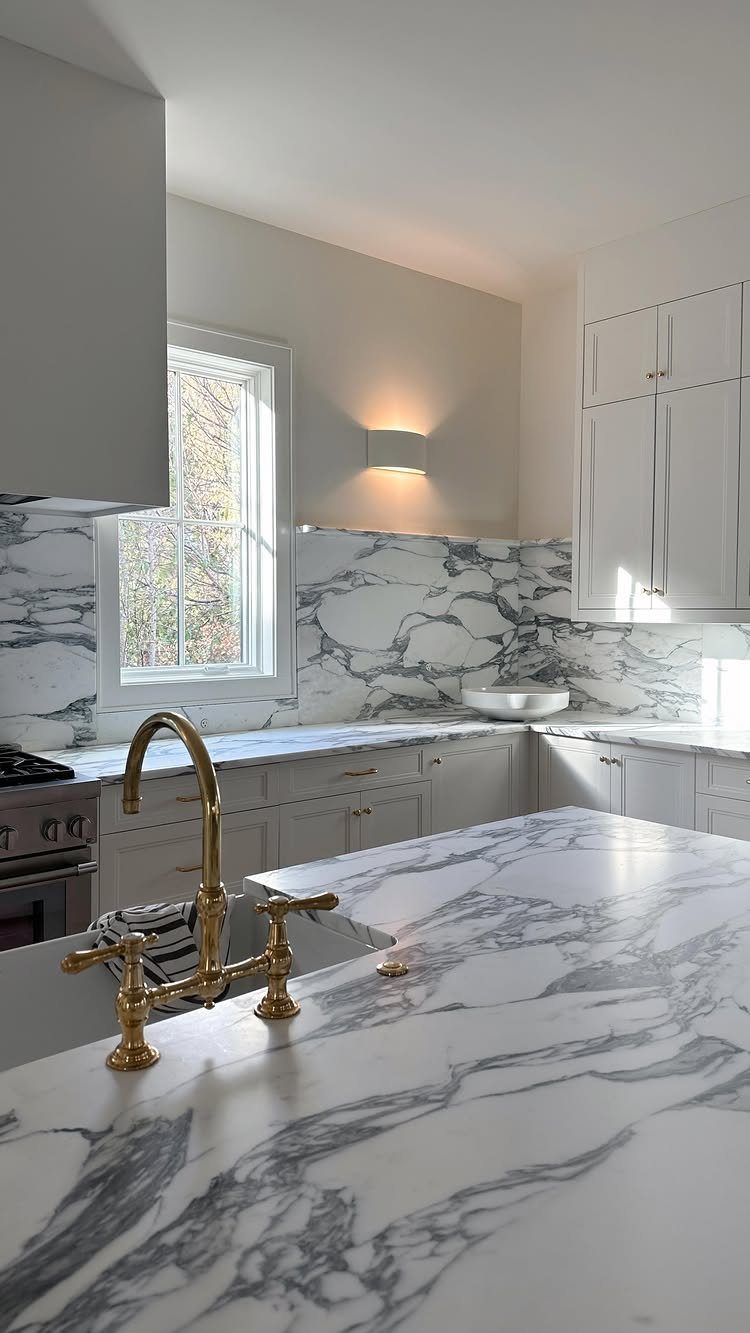
Mounting a sconce beside the window instead of above it keeps the fixture from blocking any natural light while still framing the view.
The single brass arm here sits to one side, which balances the window trim and adds task light near the sink without requiring a pendant that would hang in front of the glass.
This works best when the window is small or centered over the counter and you want light that complements daylight instead of competing with it.

Manual Control Design – No Motion Sensor: This RGB under cabinet light is designed for remote and button control only. It does not include a motion sensing feature. Simply turn it on/off and adjust colors and brightness using the remote or manual switch for precise lighting control without unexpected activation

【Multi-function Under Cabinet Lights】The LED lights with remote control allowing you to control the lights remotely and set the color, brightness and timing. Press "+" or "-" to get your wanted light (10 levels to adjust) and the timing function of 30/60 min

Smart Undercabinet Lights: An ultra thin edge-lit design with diffused lighting offers beautifully vibrant, adjustable lighting to brighten up the kitchen or any space effortlessly
11. Countertop Lamps
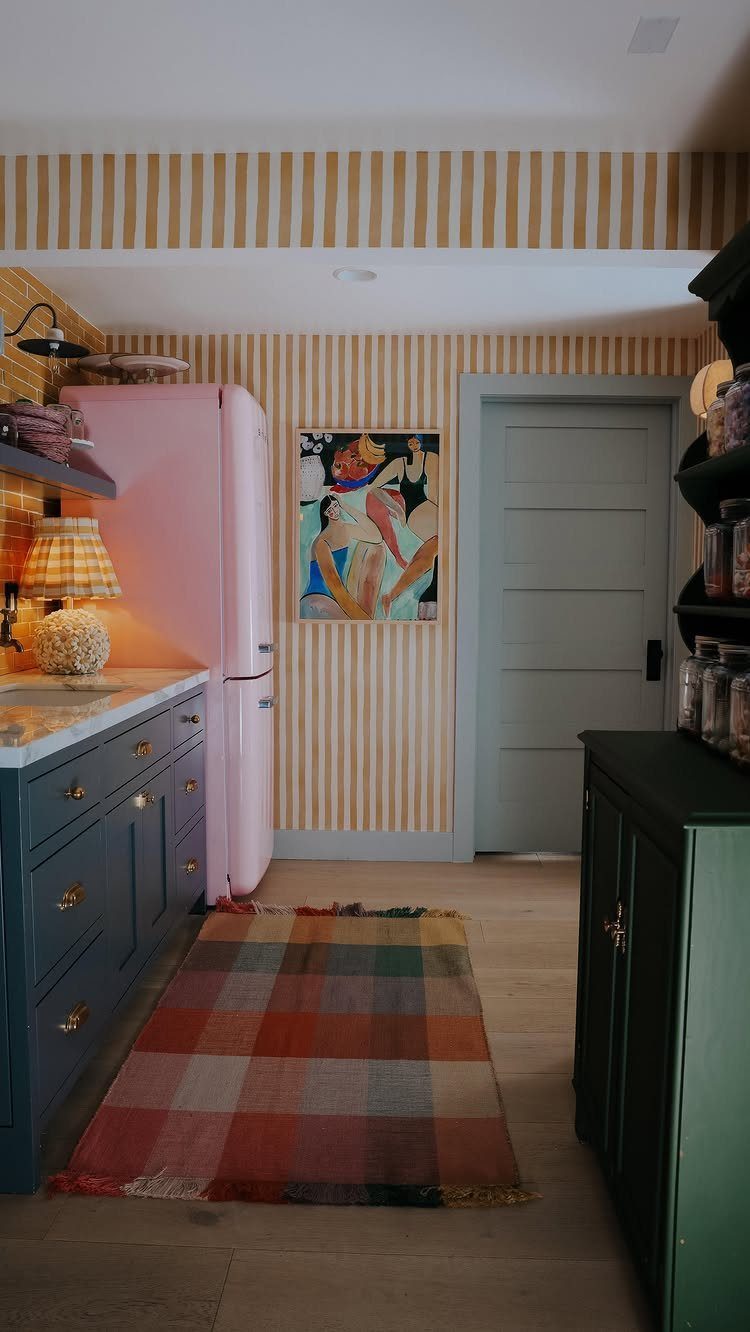
A small lamp on the counter brings ambient light into a kitchen that may not need more overhead brightness but feels flat without something softer.
A pleated shade reads decorative, so the lamp doubles as an object on display when you want the space to feel less utilitarian.
I reach for this when the kitchen has open shelving or a breakfast bar that could use a warm glow in the evening, and when there’s an outlet close enough to skip an extension cord.
12. Crystal Chandelier
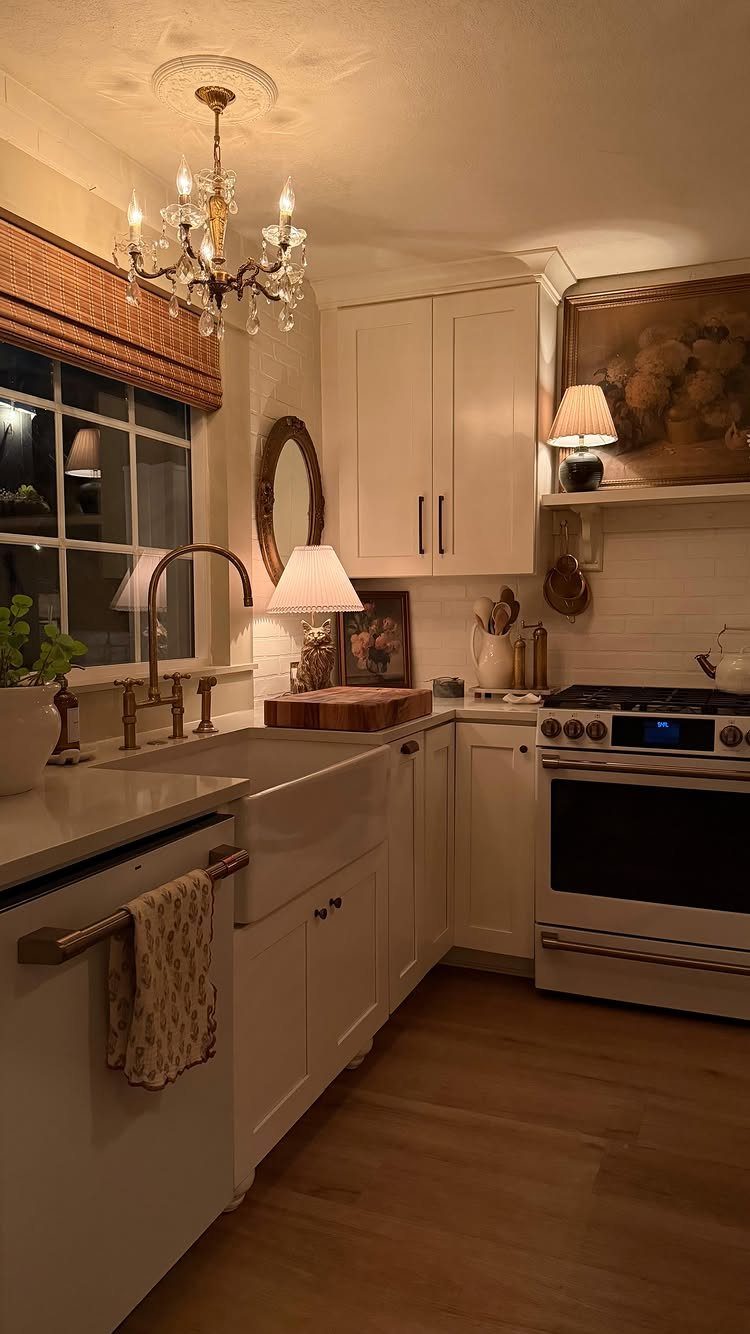
A crystal chandelier centers the room and gives small kitchens a level of finish that a simple flush-mount or recessed can cannot match.
The faceted drops catch whatever natural light comes through the window and add sparkle overhead, which can lift a space that might otherwise feel purely functional.
This fixture works when the ceiling is high enough to hang a chandelier without it sitting in your sightline, and when you want the kitchen to feel more like a room than a work zone.
13. Backsplash Plug-in Light
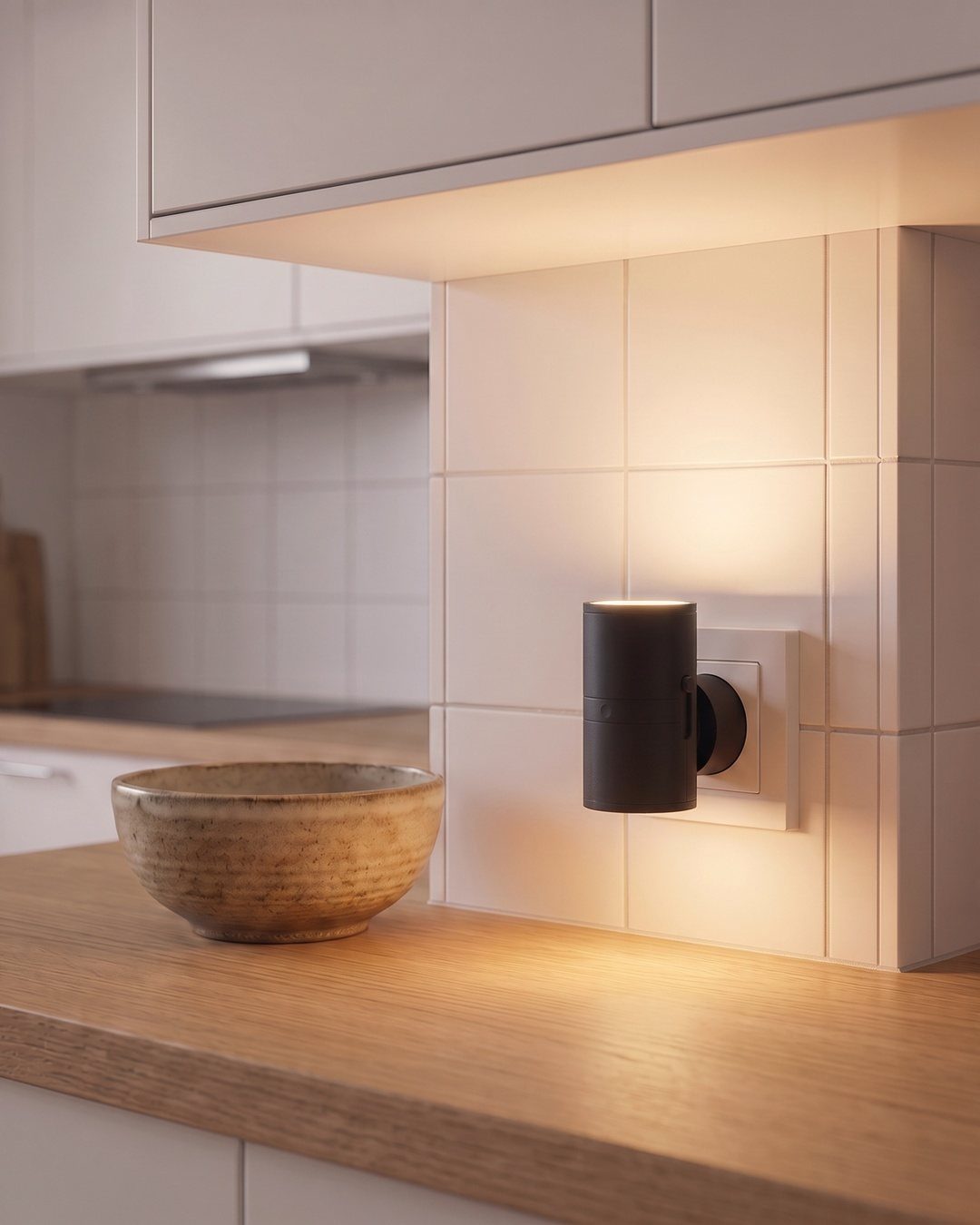
A plug-in cylinder mounted directly to the backsplash tile puts a small pool of task light on the counter where you need it, without hardwiring or taking up counter space.
Run the cord down to an outlet below the counter or tuck it behind if the tile allows a gap. This works when you have a short stretch of counter with no cabinet above it and an outlet within reach.
The light stays focused on one prep zone, so it’s better for a specific task area than for lighting the whole room.
Layer Overall Kitchen Lighting
Plan ambient, task, and accent layers together instead of relying on a single overhead fixture.
Ambient light covers the room, task light focuses on counters and the stove, and accent light highlights a detail or adds warmth where the kitchen opens to another space.
Layering prevents the flat look that comes from one ceiling fixture trying to do everything.
Task lights belong directly above the work surface so your body does not block the beam when you stand at the counter.
Pendants and sconces work well for this, and dimmers let you adjust brightness depending on time of day or whether the kitchen is being used for cooking or gathering.
In rooms with limited natural light, mixing several sources instead of adding one bright fixture creates depth and makes the space feel less compressed.
Avoid Shadows and Overlighting
If you are unsure how much light the kitchen needs, a qualified electrician can calculate the right amount based on room size and layout.
Overlighting is as common as underlighting in small kitchens.
Too many bright sources or a color temperature above 4000K can make the room feel clinical instead of welcoming, and glare off glossy countertops or reflective backsplash tile creates eye strain rather than better visibility.
Keep a Small Room Cohesive
Match the style and finish of the fixtures so the lighting reads as a set instead of a collection of unrelated pieces.
In a small kitchen, mismatched shapes or finishes can make the room feel cluttered even when the layout is clean.
If the kitchen opens to a living or dining area, carry the same fixture style or finish into the adjacent space so the lighting feels intentional across the sightline.
Coordinating does not mean identical.
A pendant above the island and a sconce on the wall can share the same metal finish or shade shape without being the same fixture, and that consistency keeps the eye moving smoothly through a compact room.
But kitchen ideas – particularly those for tight spaces – should also visually expand the space so it doesn’t feel like a small kitchen when you’re spending time there.
Frequently Asked Questions
How do I add more light to my kitchen?
Start by identifying the spots you use most and layer in different fixture types rather than relying on a single ceiling source.
Under-cabinet strips, pendants above the island or sink, and sconces on open walls all put light where you need it without requiring a full rewire. Plug-in options like backsplash cylinders or countertop lamps add brightness without touching electrical.
What type of lighting is best in a small kitchen?
Use a mix of task lights, pendants, and ambient fixtures instead of one overhead source trying to cover everything. Layering several sources creates depth without making the room feel flat or cramped.
Are there any current kitchen lighting trends?
Integrated LED has opened up new fixture shapes and styles, and rechargeable LED table lamps continue to gain ground in kitchens that want movable light sources.
Ribbed and smoked glass shades are popular right now, especially in pendants, along with industrial domed metal shapes and articulated factory-style wall fixtures.
What’s a good formula for kitchen lighting?
One approach is to set up lights in threes, combining pendants, sconces, and decorative or rechargeable table lamps to layer brightness across the space.
That count spreads general brightness, focused work light, and a bit of visual interest across the room instead of asking one ceiling fixture to handle it all.