Gardening season is just around the corner, and if you’re like many of us, you’re probably dreaming of the vibrant flowers and fresh vegetables that could bloom in your backyard. But, let’s be real—building a raised garden bed can feel daunting, especially when you’re trying to stick to a budget. If you’re craving a creative way to cultivate your green thumb without breaking the bank, this post is for you.
Whether you’re a seasoned gardener or a curious beginner, you’ll find plenty of inspiration here. I’ve rounded up 12 cheap raised garden beds that are not only budget-friendly but also built to last. These ideas are perfect for small spaces and will keep your garden thriving until fall. You will discover a variety of DIY options that are easy to build and perfect for anyone looking to add a touch of green to their home.
Get ready to transform your outdoor area! You’ll get practical ideas, smart tips, and step-by-step guides to help you create your own durable raised beds. By the end of this post, you’ll be equipped with the knowledge to grow your garden without the stress of costly investments.
Key Takeaways
– Explore affordable garden bed ideas that suit various styles and spaces, ensuring you find the right fit for your garden.
– Discover DIY raised garden beds that are simple to construct, even if you have limited tools or experience.
– Learn about durable gardening solutions that withstand the elements, ensuring your investment lasts through the seasons.
– Find budget-friendly planting options that maximize your gardening space without overspending.
– Get inspired by easy-to-build garden beds that can enhance your outdoor area and boost your gardening success.
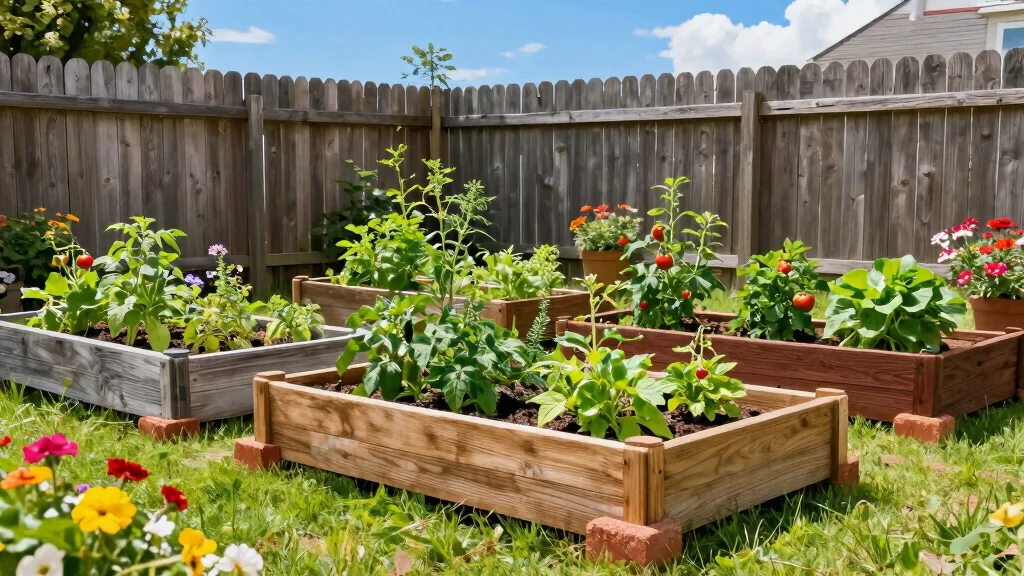
1. Wooden Pallet Garden Beds
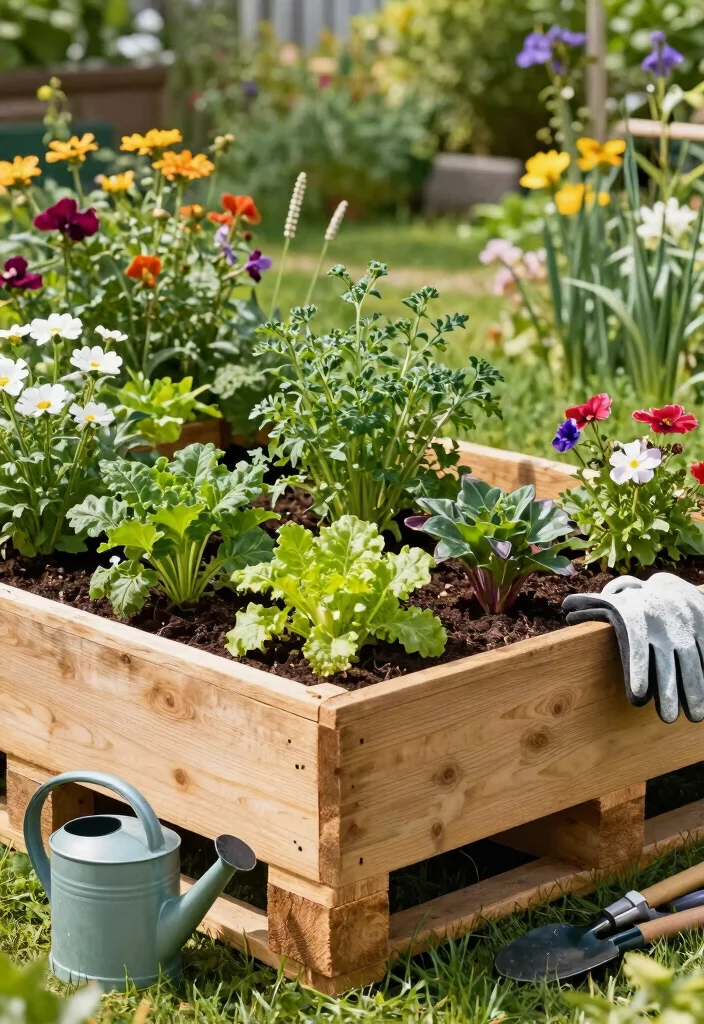
Transforming wooden pallets into raised garden beds is a smart and budget-friendly choice. Not only does this method keep waste out of landfills, but it also adds character to your garden. The sturdy structure of pallets allows for creative arrangements, whether you stack them or lay them flat. Just take apart a few pallets and reassemble them into a frame, adding a liner to hold soil in place if necessary.
Start by searching for pallets at local businesses or online marketplaces. Ensure the pallets are in good shape, and focus on untreated wood to keep your plants safe from chemicals. Filling your beds with quality soil will help your plants flourish.
Key benefits of using wooden pallets:
– Cost-effective: Many pallets are free or very cheap.
– Eco-friendly: Repurposing wood reduces waste.
– Customizable: Paint or stain to match your garden style.
This creative approach not only enhances your garden’s beauty but also promotes sustainability.

Elevate Your Garden - Opt for a brilliantly engineered raised garden bed to revolutionize your gardening. Its spacious design, measuring 48x24x30 inches, allows for the cultivation of multiple vegetable varieties alongside a plethora of herbs, optimizing your gardening space for ease and diversity.

【Solid Fir Wood】Crafted from premium natural fir wood with outstanding sturdiness and weather resistance. The solid wooden structure withstands outdoor humidity and daily wear, ensuring long-lasting stability for your outdoor raised garden bed planting. Our planter is made from FSC-Certified wood

Multifunctional Design: This garden planter is separated into two growing areas for different plants or planting methods. The baffle can be removed to form a bigger growing area.
2. Cinder Block Planters
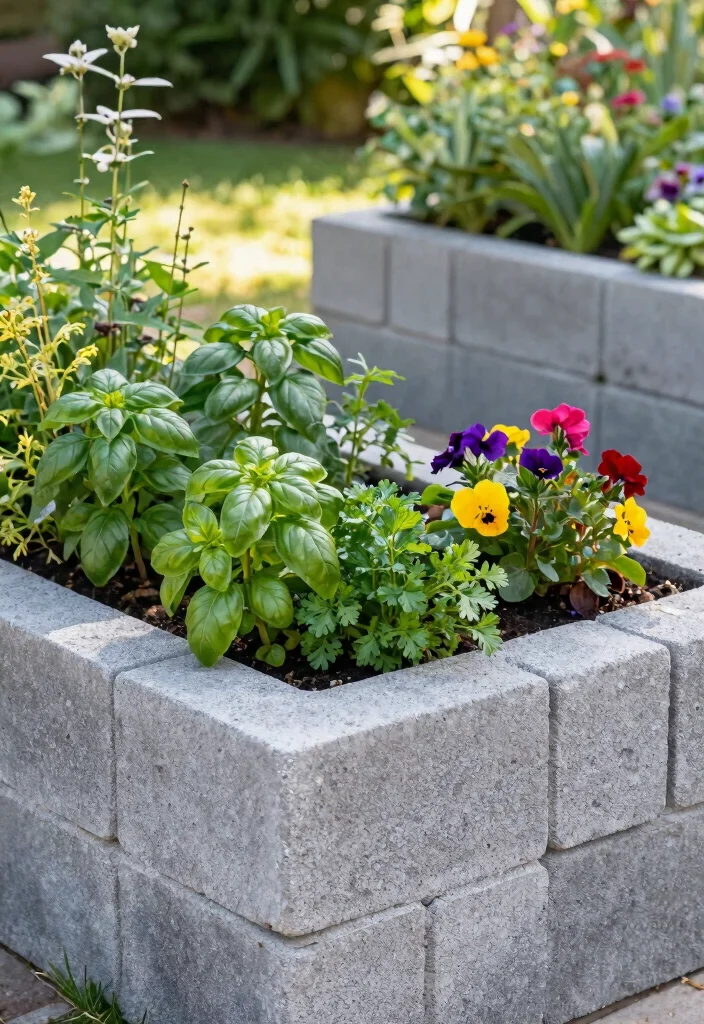
Cinder blocks are a fantastic alternative to traditional garden beds, offering a unique and sturdy option for your plants. These durable blocks provide great drainage and allow for creative designs in your garden. By stacking them in your desired shape, you can even plant directly into the openings for an interesting look.
Consider using cinder blocks in various arrangements to create different heights and shapes in your garden. This method works well for herbs, flowers, or small vegetables. Lining the blocks with landscape fabric will help hold the soil while maintaining adequate drainage.
Benefits of cinder block planters:
– Long-lasting: Cinder blocks withstand all weather conditions.
– Versatile: Ideal for a variety of plants.
– Affordable: Usually priced around $1 per block.
This innovative solution not only enhances your garden’s aesthetics but also ensures your plants thrive.

More suitable raised garden bed size and Volume:67"L x 20"W x10"H, 7 Cu. Ft. You can cultivate plants, like vegetables, flowers, herbs in your patio, yard, garden, and greenhouse.

More suitable raised garden bed size and Volume:67"L x 20"W x10"H, 7 Cu. Ft. You can cultivate plants, like vegetables, flowers, herbs in your patio, yard, garden, and greenhouse.

Stability: Raised Garden Bed Corner Brackets can increase the stability of your garden bed. These brackets attach at each corner to secure wood or other materials, creating a more sturdy and stable structure.
3. Reclaimed Wood Beds
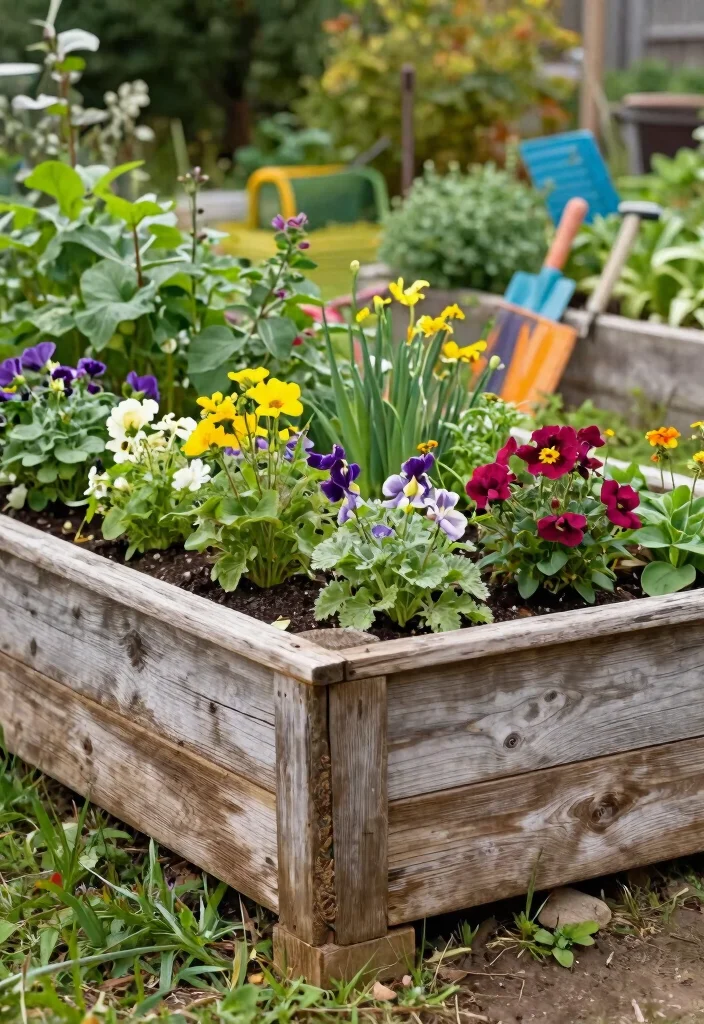
Using reclaimed wood for your raised garden beds is a stylish and eco-conscious choice. Old barn wood, fence posts, or pallets can easily be transformed into beautiful beds, adding a rustic charm to your garden. The weathered look of reclaimed wood brings a unique character that complements any outdoor space.
When crafting your bed, ensure you treat the wood with non-toxic sealants to protect it and your plants. Drill drainage holes to keep excess water from accumulating, promoting healthy root growth.
Advantages of reclaimed wood beds:
– Unique aesthetic: Each piece tells a story.
– Sustainable option: Reduces waste by reusing materials.
– Strong and durable: Treated wood can last for years.
Create a garden that’s not only functional but also rich in character and history.
❝ Fun fact: reclaimed wood beds can slash costs by up to 50% versus new lumber, while adding rustic charm to your cheap raised garden beds. Pro tip: seal with non-toxic finishes and drill drainage holes for healthy roots. ❞

PERFECT FOR YOUR GARDEN: The raised garden beds outdoor is 4x4x1ft, with a round design that provides ample growth space for vegetables, herbs, flowers, fruits, and other plants in the backyard. The planters for outdoor plants not only decorates your garden but also allows you to enjoy the joy of harvest

Modular Design: Vego Garden raised bed kits feature an innovative modular design, which means you can assemble a kit into various configurations that fit any backyard or garden space in a 9-in-1 kit, you can build one of 9 possible configurations to fit your garden plans

Ergonomic Height: Standing at 30 inches tall, it reduces strain from bending and kneeling, promoting more comfortable gardening.
4. Plastic Storage Container Planters
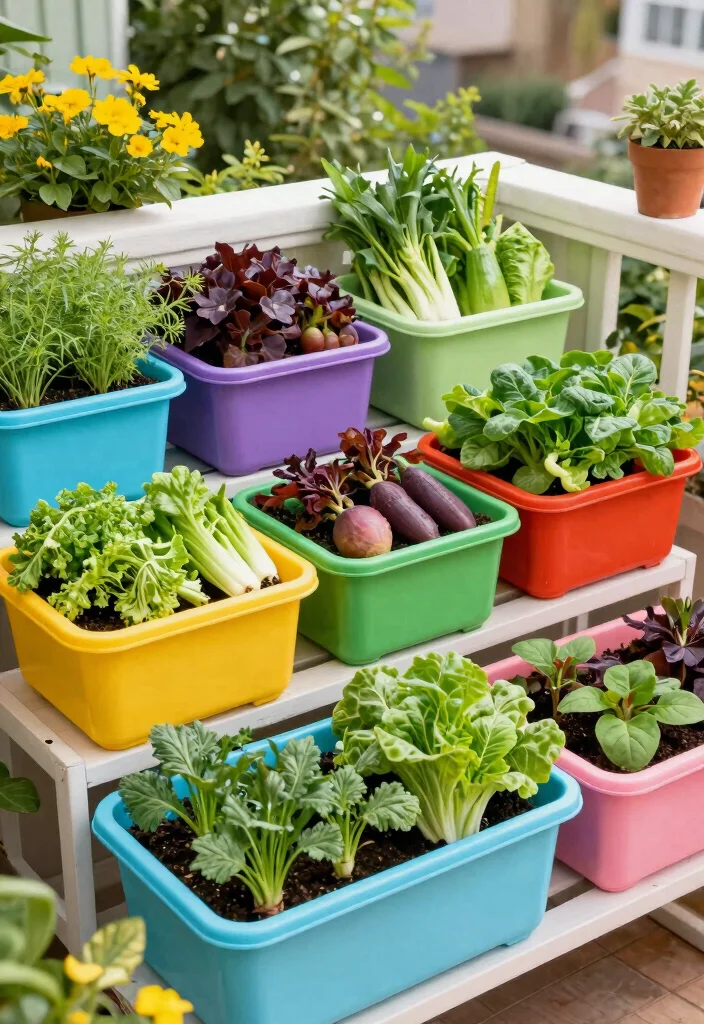
Plastic storage containers are a perfect solution for gardening in small spaces. Lightweight and portable, these containers come in various sizes, making them ideal for growing everything from herbs to salad greens. Simply cut drainage holes in the bottom, fill with potting mix, and let the planting begin!
Consider using dark-colored containers for better heat retention, which can benefit your plants. Organizing your planting layout will help you maximize your space effectively.
Benefits of using plastic containers:
– Affordable: Most containers are under $10.
– Easy to move: Great for adjusting to sunlight and weather.
– Perfect for limited space: Ideal for balconies or patios.
Enjoy the flexibility and ease of gardening without heavy, permanent structures!

SIZE: The plant bed measure is 23.6"L x 23.6"W x 11.8"H. This round planter box provide ample growing space to raise vegetables, flowers and plants.

【0.6 mm Thickened Steel for a Stronger Garden Bed】 Built with 0.6 mm thick steel panels for a more solid and dependable raised garden bed. The thicker construction helps the planter better hold its shape after assembly and filling for a sturdier planting setup.
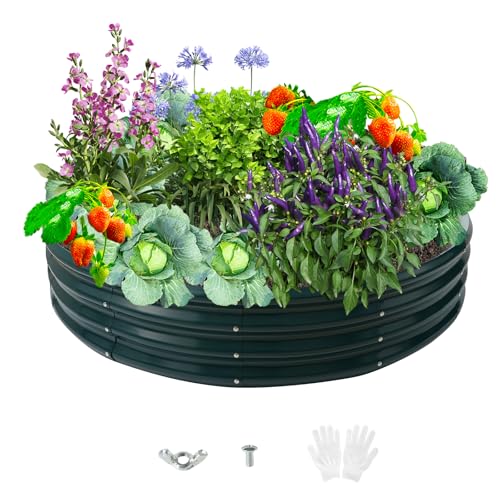
【DURABLE & STABLE】: ZBZBML round raised garden bed (4×4×1ft) is 47 IN Diameter,11.8IN Tall, each is made of 0.7MM thick Q195 galvanized metal sheet painted, double-layer anti-corrosion galvanizing and round structure design,it is built to providing a solid foundation for your plants.
Key Trade-offs & Our Top Pick
When choosing a cheap raised garden bed, it’s essential to weigh the pros and cons of each option. This way, you can select a bed that meets your gardening needs while staying within budget. Let’s break down some popular options for affordable garden bed ideas.
Wooden Pallet Garden Beds
– Pros:
– Inexpensive and easy to find.
– Eco-friendly, reusing materials.
– Can be customized to various sizes.
– Cons:
– May not last long in wet conditions.
– Requires some assembly and tools.
– Risk of chemicals if not sourced properly.
– Best for: Those looking to start gardening with minimal investment and who enjoy DIY projects.
Cinder Block Planters
– Pros:
– Durable and sturdy.
– Versatile; can be arranged in different layouts.
– Good drainage properties.
– Cons:
– Heavier and more challenging to move.
– Can be costly if buying new blocks.
– May need sealing to prevent soil leaching.
– Best for: Gardeners wanting a long-lasting solution that can be shaped to fit any space.
Reclaimed Wood Beds
– Pros:
– Unique aesthetic; adds character to your garden.
– Can often be obtained for free or at a low cost.
– Eco-friendly choice by recycling wood.
– Cons:
– May require treatment to prevent rot.
– Varies in durability based on wood type.
– Time-consuming to build with adequate support.
– Best for: Gardeners who appreciate rustic designs and are willing to invest time into building.
Metal Trough Planters
– Pros:
– Long-lasting and resistant to pests.
– Good heat retention for plants.
– Easy to clean and maintain.
– Cons:
– Can be pricier than other options.
– Metal can heat up too much in hot climates.
– Limited depth for root crops.
– Best for: Those looking for a stylish, durable option with less maintenance.
Fabric Grow Bags
– Pros:
– Lightweight and portable.
– Excellent drainage and aeration for roots.
– Affordable and easy to store when not in use.
– Cons:
– Less durable; may need replacement after a few seasons.
– Can dry out quickly in hot weather.
– Limited sizes and shapes available.
– Best for: Urban gardeners with limited space who prefer easy-to-manage planting solutions.
Expert Recommendation:
Best Overall: Cinder Block Planters
Cinder block planters offer a fantastic balance of cost, durability, and customization. They can withstand the elements, making them a long-term investment for your garden. Their versatility in design allows you to create the perfect setup for your plants, whether you have a small balcony or a spacious backyard.
Why We Picked This:
While cinder blocks are our top pick, you might prefer other options based on your situation. If you’re after a rustic look, reclaimed wood could be your best bet. For those who want portability, fabric grow bags shine. Choose what suits your style and gardening goals best!

Break Down Kitchen Scraps:Transform fruit peels, vegetable scraps, coffee grounds, and other kitchen waste into natural compost directly inside your garden bed


Break Down Kitchen Scraps:Transform fruit peels, vegetable scraps, coffee grounds, and other kitchen waste into natural compost directly inside your garden bed
5. Metal Trough Planters
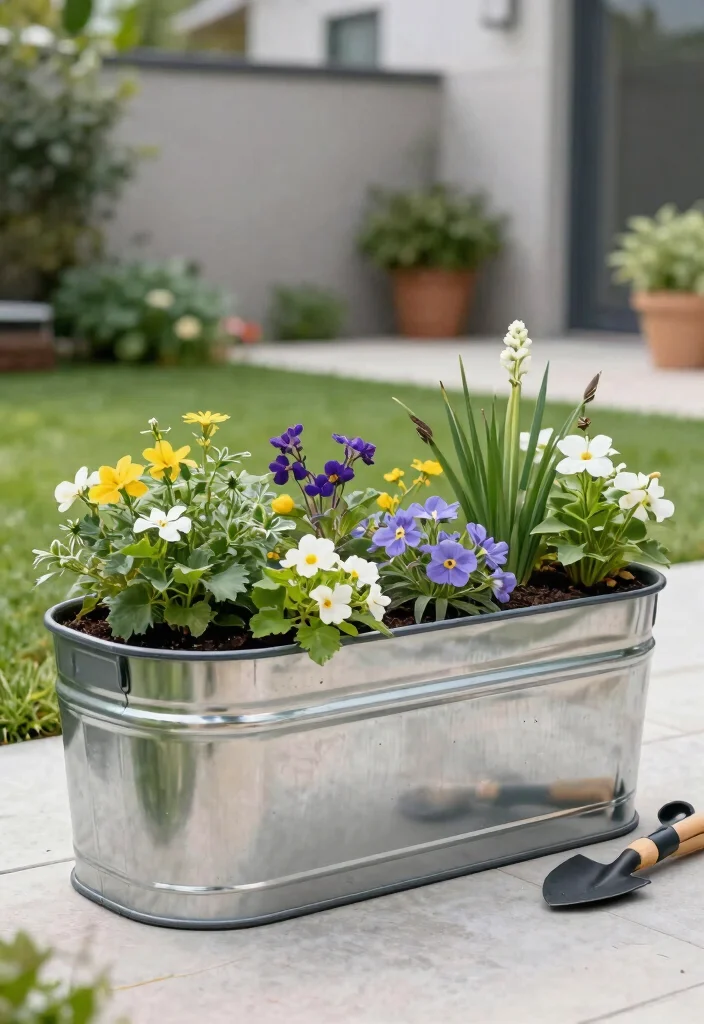
If you’re seeking a trendy and durable option, metal troughs make excellent raised garden beds. These stylish containers, available at farm supply stores, are tough and help retain heat for your plants, promoting longer growing seasons. Their unique design adds a modern touch to any garden landscape.
When setting up your troughs, consider lining the inside with landscaping fabric to prevent soil loss. A coat of paint or treatment can protect the metal from rust, ensuring your planters last for years.
Key benefits of metal troughs:
– Stylish design: Adds a contemporary flair to your garden.
– Long-lasting: Resistant to weathering and wear.
– Excellent drainage: Suitable for plants needing less water.
Create a stunning garden display that combines functionality with chic aesthetics!

BUILT TO LAST: Made of natural Chinese Fir wood to provide a gardening solution constructed to last through every season without discoloring or breaking down over the years

Solid Fir Wood: The raised garden bed is made of non-painted fir wood, known for its strength and stability. The thick solid boards are polished with smooth surfaces and no burrs or wood splinters

BUILT TO LAST: Made of natural Chinese Fir wood to provide a gardening solution constructed to last through every season without discoloring or breaking down over the years
6. Raised Beds with Fencing
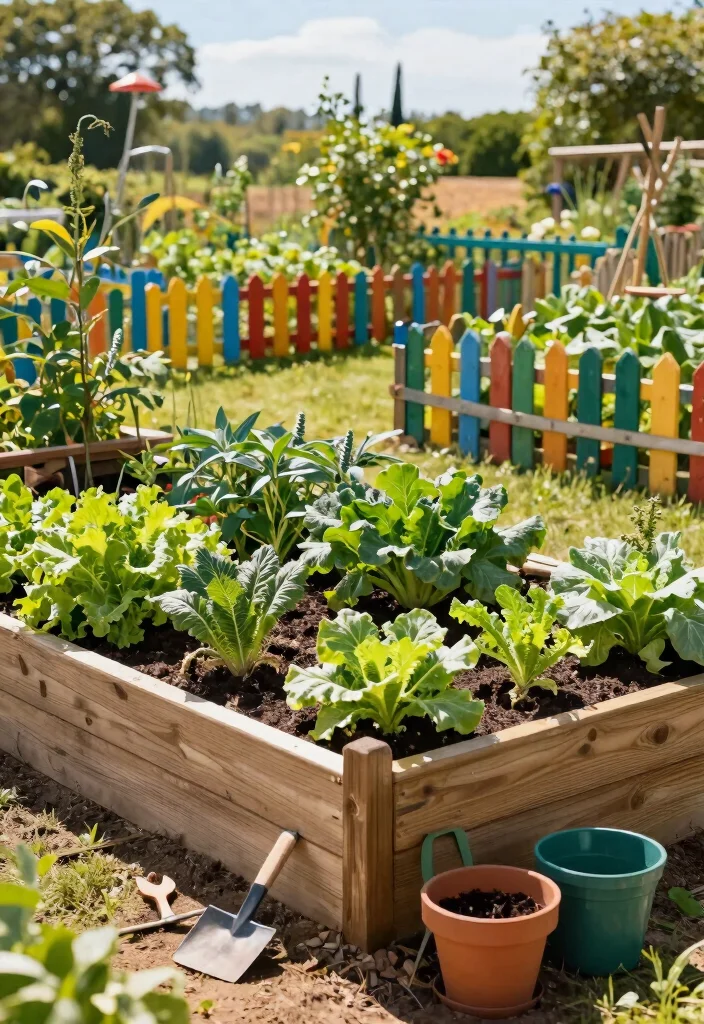
Elevate your gardening experience with raised beds that include fencing! This option not only simplifies planting but also shields your plants from pests and critters. By constructing a raised bed frame and surrounding it with wood stakes and wire mesh, you can create a protective space for your plants.
Make sure the fencing is tall enough to deter local wildlife, and use a solid base to keep it secure. This setup can offer warmth and shelter for your plants, enhancing their growth.
Benefits of fenced raised beds:
– Protection from pests: Keeps unwanted animals out.
– Improved growth: Offers warmth and shelter.
– Customizable look: Paint or style the fencing to your liking.
Enjoy the peace of mind that comes with knowing your plants are safe and thriving!

Sturdy Construction: These metal corner brackets are built to last with rust-resistant materials for long-lasting durability.

Generous Planting Space: Ample bed space provides your plants and vegetables with room to thrive, promoting healthy growth and robust yields.

CUSTOMIZED GARDEN PLOTS: Multiple beds can be arranged to take advantage of sun or shade while the metal enclosure allows you to fine-tune the soil and create the ideal microenvironment
7. Tire Planters
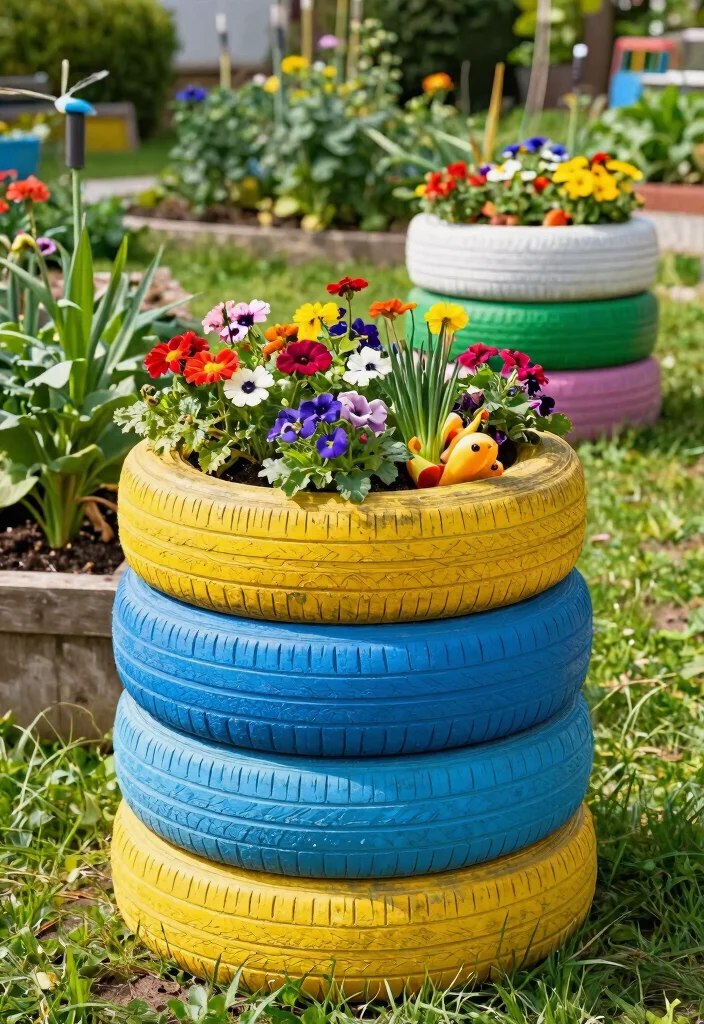
Old tires can be creatively transformed into unique raised garden beds, making this an eco-friendly and fun DIY project. Stack tires to form a circular bed and fill them with soil, then decorate with paint for a splash of color or leave them natural for a rustic vibe.
Ensure you drill drainage holes to prevent water accumulation, and opt for safe, non-toxic paints if you decide to decorate. This method is ideal for deep-rooted vegetables and smaller plants.
Advantages of tire planters:
– Recycling at its best: Gives old tires a new life.
– Creative design: Personalize your garden theme.
– Depth for roots: Perfect for root vegetables.
Enhance your garden while being kind to the environment!
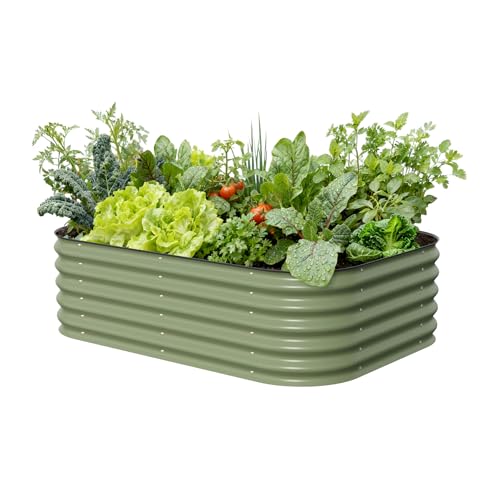
Modular Design: Vego Garden raised bed kits feature an innovative modular design, which means you can assemble a kit into various configurations that fit any backyard or garden space in a 6-in-1 kit, you can build one of 6 possible configurations to fit your garden plans

CUSTOMIZED GARDEN PLOTS: Multiple beds can be arranged to take advantage of sun or shade while the metal enclosure allows you to fine-tune the soil and create the ideal microenvironment

PERFECT FOR YOUR GARDEN: 2-Pack raised garden beds outdoor is 4x4x1ft, with a round design that provides ample growth space for vegetables, herbs, flowers, fruits, and other plants in the backyard. The planters for outdoor plants not only decorates your garden but also allows you to enjoy the joy of harvest
8. Wine Barrel Planters
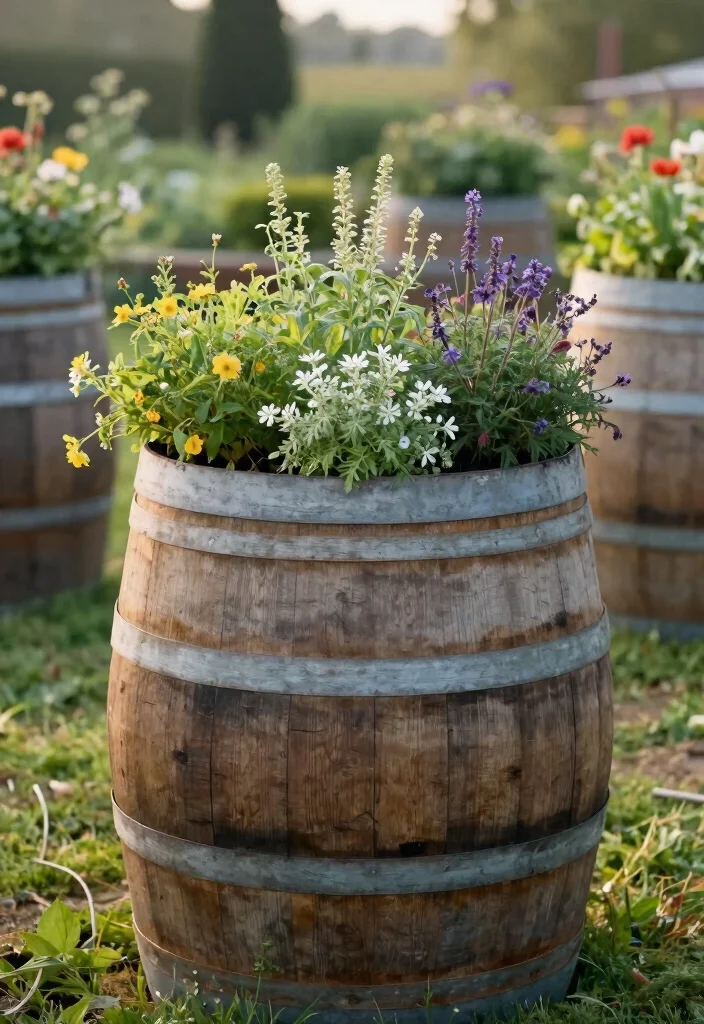
Wine barrels can add elegance and charm to your garden while providing a solid raised bed option. Often available at local wineries or farm supply shops, these barrels can be cut in half for a low profile or kept whole for a dramatic look.
To prevent overwatering, drill drainage holes in the bottom and fill the barrels with nutrient-rich soil for optimal plant growth. This method is especially great for small yards or patios.
Benefits of wine barrel planters:
– Elegant appeal: Enhances the aesthetics of your garden.
– Durable material: Wooden barrels resist wear and tear.
– Space-efficient: Perfect for limited outdoor areas.
Create a sophisticated garden space that radiates class and style!

SIZE: The plant bed measure is 23.6"L x 23.6"W x 11.8"H. This round planter box provide ample growing space to raise vegetables, flowers and plants.

Outdoor Raised Garden Bed: Turn any patio, balcony or backyard into your own growing space with this 2x2 ft metal planter box. Whether you're planting fresh herbs for cooking, growing vegetables or adding flowers to your space, it makes starting a garden simple, even if you don’t have a large yard.

Each circle raised garden bed is made of 0.6 mm thick galvanized steel for enhanced rigidity and dependable outdoor use. The corrugated metal panels help resist bending and maintain a stable round shape after being filled with soil.
9. Simple Wooden Frames
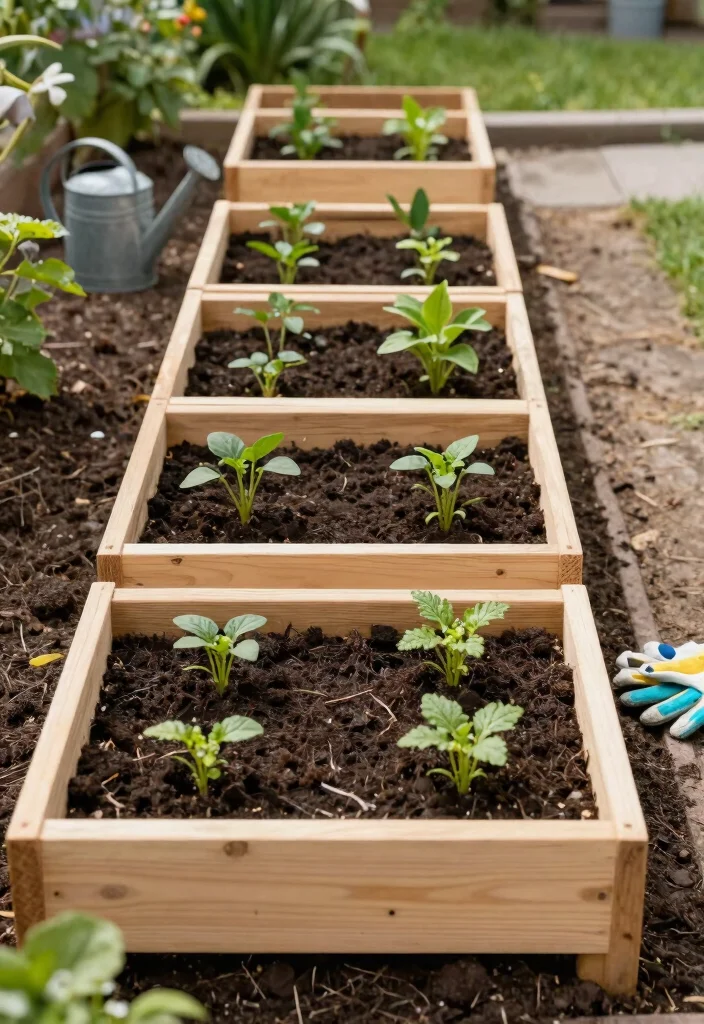
Constructing raised garden beds with simple wooden frames is a straightforward and effective way to garden. Choose dimensions that suit your space, and assemble the frames using nails or screws. Opt for untreated wood like pine to ensure a safe environment for your plants.
Adding a cardboard layer at the bottom can help suppress weeds, while natural oils can protect the wood and extend its life. This method is perfect for beginner DIYers looking for an easy project.
Key benefits of wooden frames:
– Customizable design: Build to fit your garden layout.
– Cost-effective: Wood is often affordable and accessible.
– Easy assembly: Perfect for novice builders.
This simple approach allows you to create practical garden beds without the hassle!
Anyone can start a thriving bed with simple wooden frames, no heavy tooling needed. When you use untreated pine, a cardboard bottom, and a dash of natural oils, you’ve got affordable, durable cheap raised garden beds that fit small spaces and boost harvests.

Buried red pottery compost bin: The buried compost bin is an ecological gardening tool specially designed for households and small planting scenes. It can efficiently remove daily kitchen waste and various types of waste. Its innovative semi buried soil design not only creates a relatively closed and stable space for compost fermentation, but also utilizes the natural activity of earthworms to loosen the soil inside and around the bin

Convenient Inground Worm Composter: Bury this vermicomposting bin underground or in your garden bed. Fill it with organic waste like kitchen scraps, paper, and leaves. In 2-3 months, worms transform it into nitrogen-rich compost. Perfect for eco-conscious families!

10. Stone Raised Beds
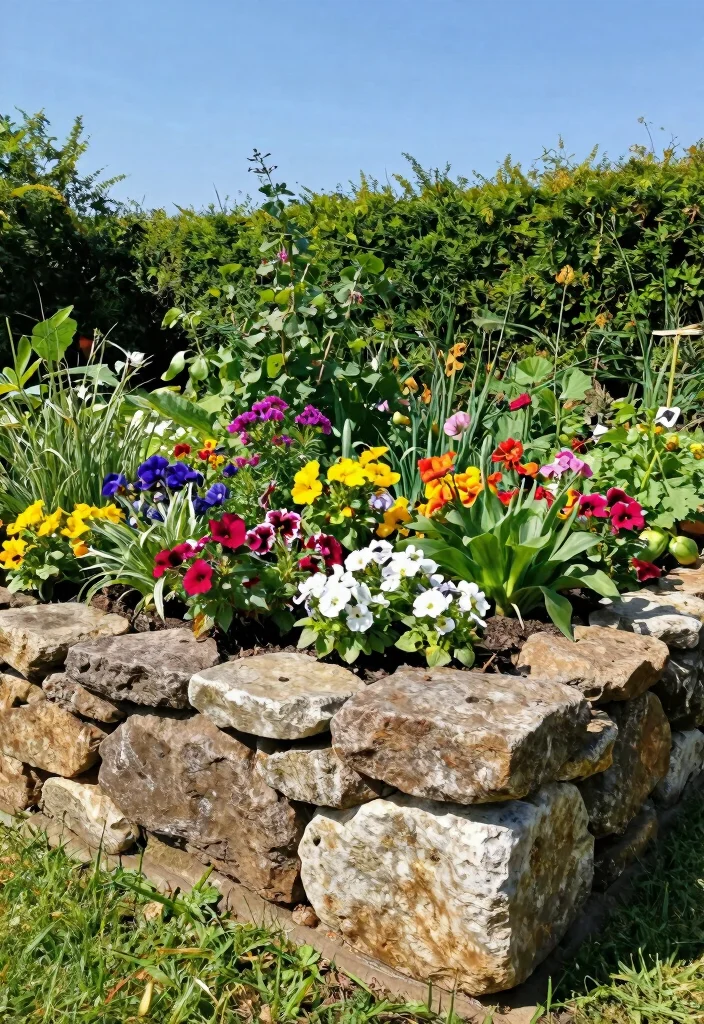
Creating raised garden beds with stones or bricks offers a rustic charm and durability. Use stones from your yard or purchase them from a local garden center to form circular or rectangular shapes. This method is not only visually appealing but also long-lasting.
Fill any gaps with soil to ensure stability, and consider using mortar for added strength if necessary. This eco-friendly option utilizes natural materials while enhancing your garden’s beauty.
Benefits of stone raised beds:
– Natural materials: A sustainable choice for gardening.
– Longevity: Stones resist wear and age beautifully.
– Unique look: Each stone adds texture and color.
Enjoy the timeless beauty of a stone garden bed that stands the test of time!
❝ Stone raised beds aren’t just rustic; they’re incredibly durable and cost-effective. Pro tip: use stones from your yard and fill gaps with soil, adding mortar where you want extra strength. It’s an eco-friendly, long-lasting way to create cheap raised garden beds that look timeless.
11. Fabric Grow Bags
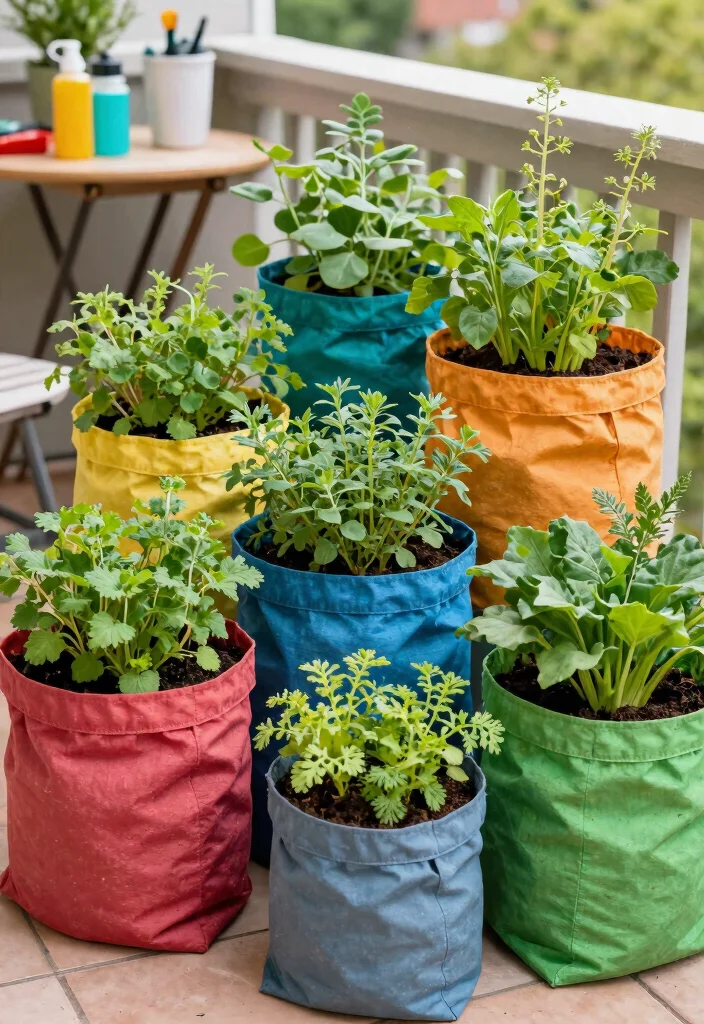
Fabric grow bags are an excellent alternative to traditional raised beds, especially for those with limited space. These breathable containers allow roots to grow freely and provide exceptional drainage. Available in various sizes, they are suitable for flowers, vegetables, and herbs.
Elevating your grow bags slightly off the ground will promote drainage, and using high-quality potting soil will yield the best results. This flexible option is perfect for urban gardening.
Advantages of fabric grow bags:
– Portable: Easy to move around for optimal light.
– Breathable material: Prevents root binding.
– Budget-friendly: Usually less expensive than wooden beds.
Enjoy the freedom of gardening wherever you have a little space!
12. Vertical Garden Solutions
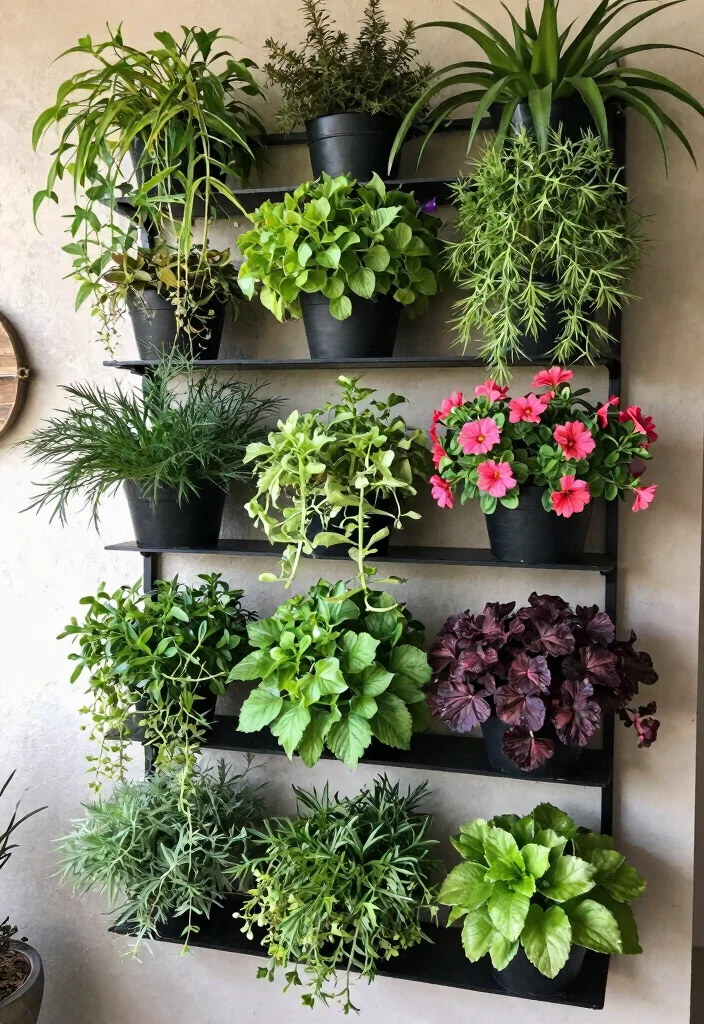
Maximize your gardening potential by utilizing vertical space with creative solutions! Using shelves, pallets, or trellises allows you to cultivate a thriving garden in compact areas. You can grow herbs, strawberries, and ornamental plants for a stunning vertical display.
Mixing different plants will add varied textures and colors, while ensuring they get sufficient sunlight and water will keep them healthy. This method is ideal for small yards or urban environments.
Benefits of vertical garden solutions:
– Space-saving: Perfect for apartments or tiny yards.
– Aesthetic appeal: Creates a beautiful vertical showcase.
– Easy access: Harvest without bending down.
Enjoy the beauty of a flourishing vertical garden while saving valuable ground space!
Conclusion
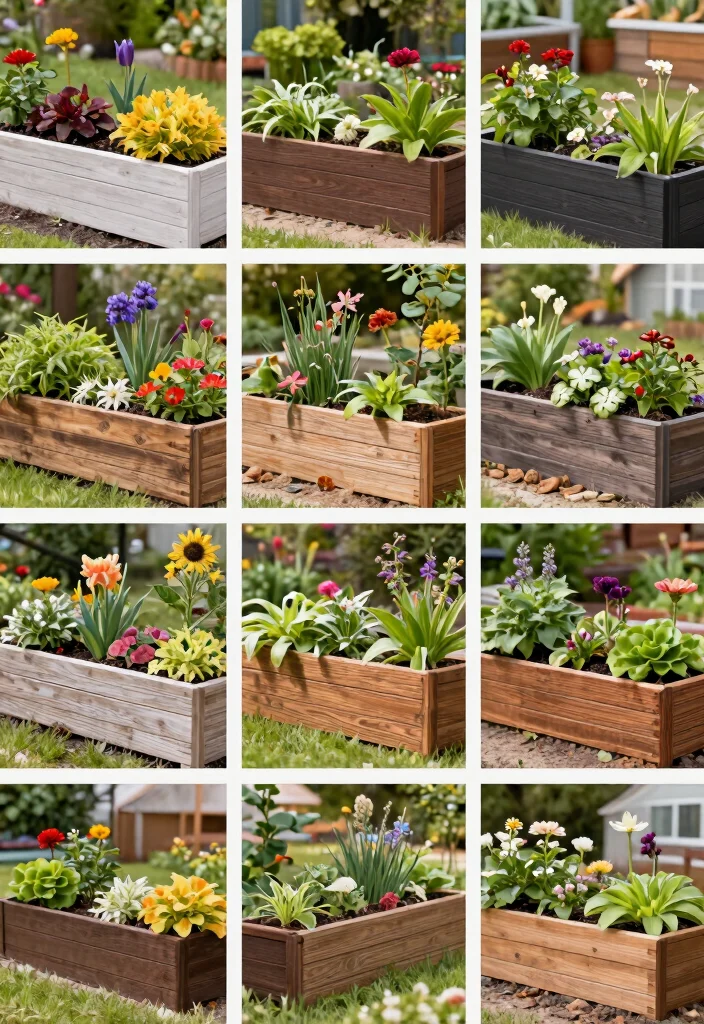
With these 12 cheap raised garden bed ideas, your gardening aspirations can become a reality without draining your wallet.
Each option showcases practicality and creativity, allowing you to cultivate your garden in any space.
Start experimenting with these durable solutions and enjoy the fruits (and vegetables) of your labor!
Note: We aim to provide accurate product links, but some may occasionally expire or become unavailable. If this happens, please search directly on Amazon for the product or a suitable alternative.
This post contains Amazon affiliate links, meaning we may earn a small commission if you purchase through our links, at no extra cost to you.
Frequently Asked Questions
What materials give you the best balance of price and durability for cheap raised garden beds that don’t fall apart?
Choosing the right materials is the first step to cheap raised garden beds that last. Great affordable options include pine or cedar framing, concrete blocks, galvanized steel panels, or repurposed pallets with proper sealing. Each option has trade-offs in durability and maintenance. Quick build plan: 1) Decide bed size (e.g., 4×4 ft or 3×6 ft for small spaces). 2) Select your material and cut to size. 3) Assemble with exterior-grade screws and add corner braces. 4) Add a bottom drainage layer (gravel) and line with landscape fabric to slow rot. 5) Fill with a rich soil mix (topsoil + compost + perlite). With these steps you’ll have cheap raised garden beds that stay strong through fall and beyond.
For more ideas, look at affordable garden bed ideas and durable gardening solutions that fit small spaces.
How can I design DIY raised garden beds that maximize a small space?
You can absolutely grow more in a small area with modular, vertical, or narrow designs. Try long, shallow beds along a wall, or stackable boxes for a taller harvest. For balconies or patios, use 2-3 ft wide DIY raised garden beds that you can reach from one side, and add a trellis on the side for climbing plants to save ground space. Quick plan: 1) map your space and pick bed dimensions that leave room to walk and reach. 2) choose materials that are light and affordable yet durable. 3) assemble with straightforward cuts and exterior screws. 4) line or seal to prevent rot, and 5) fill with a budget-friendly planting options-friendly soil mix. You’ll get efficient, budget-friendly planting options and a setup that’s easy-to-build garden beds.
What maintenance tips help cheap raised garden beds stay durable through fall and beyond?
Maintenance is your best friend for long-lasting beds. Each fall, inspect and tighten screws, reseal the wood, or refresh metal panels. Add a moisture barrier under the soil to prevent rot, and ensure proper drainage so roots don’t sit in water. Replenish soil annually with compost and a little organic fertilizer. Rotate crops to protect soil and reduce pests, and mulch heavily to conserve moisture. With these steps you’ll keep durable gardening solutions in your garden and maintain easy-to-build garden beds for years.
Are there quick, easy-to-build raised beds that stay sturdy in fall weather?
Definitely. Look for easy-to-build garden beds made from cedar or pressure-treated lumber (with careful use of sealant), galvanized steel, or stacked concrete blocks. Quick-build approach: 1) level the site and lay out a rectangle. 2) assemble framing with exterior screws and add corner bracing. 3) place a bottom drainage layer and line the interior. 4) install soil mix to a good depth. 5) add mulch or a cover to protect from rain. This keeps them budget-friendly planting options and cheap raised garden beds strong through fall.
Which plants work best in cheap raised garden beds for small spaces and budget-friendly planting options?
Choose space-efficient, fast-harvest crops: leafy greens (lettuce, spinach), herbs (basil, cilantro), radishes, bush beans, and compact tomato varieties in warm climates. Use vertical supports to train beans or cucumbers up a trellis along the bed edge to save space. Succession planting keeps a steady harvest and makes the most of your cheap raised garden beds. For soil, layer compost with your soil mix and top with mulch to stretch your planting season and stay within budget-friendly planting options.
Related Topics
cheap raised garden beds
DIY raised garden beds
affordable garden bed ideas
durable gardening solutions
budget-friendly planting options
small space gardening
easy-to-build garden beds
beginner friendly
sustainable gardening
seasonal gardening
container gardening
outdoor projects