
Mimesis, Aristotle’s idea that art copies life, has a rival: Oscar Wilde’s claim in The Decay of Lying that life imitates art far more than art imitates life.
His evidence is London fog, which people found lovely only after painters and poets taught them to see it. No reading proves a given resemblance was caused by art.
Two Directions of Influence
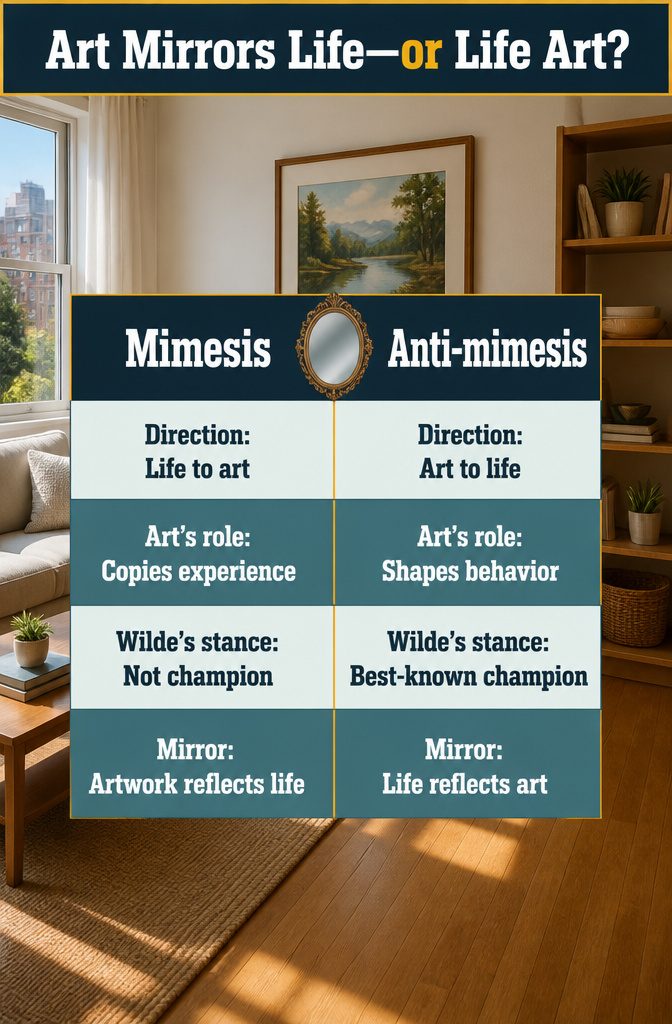
Mimesis is the older idea, tied to Aristotle: art imitates real life.
A painting, play or novel looks at the world and copies what it finds. That is the direction "art mirrors life" names, with the artwork as the mirror and everyday experience as the thing standing in front of it.
Anti-mimesis flips the arrow. It holds that real behavior and real events come to resemble fiction and art, or that people take on ideals they first met in an artwork.
It is the direct opposite of Aristotelian mimesis, and Oscar Wilde is its best-known champion.
In his 1889 essay The Decay of Lying, he wrote that "Life imitates Art far more than Art imitates Life." I read that as a full reversal, not a small adjustment: the mirror now sits in the other hand.

Premium Canvas & High Definition Printing: Made of durable, thick canvas with high-resolution printing and fade-resistant waterproof ink, ensuring long-lasting vibrant colors and clear details for years of display.

COLLECTIONS: Landmarks Vintage City Gallery Collection.

Trendy Canvas Posters: Expertly crafted as premium poster prints, these trendy canvas posters deliver bold visual impact—ideal for modern farmhouse, minimalist, retro, and vintage room aesthetics across living rooms, bedrooms, dorms, and apartments.
Wilde and the London Fog
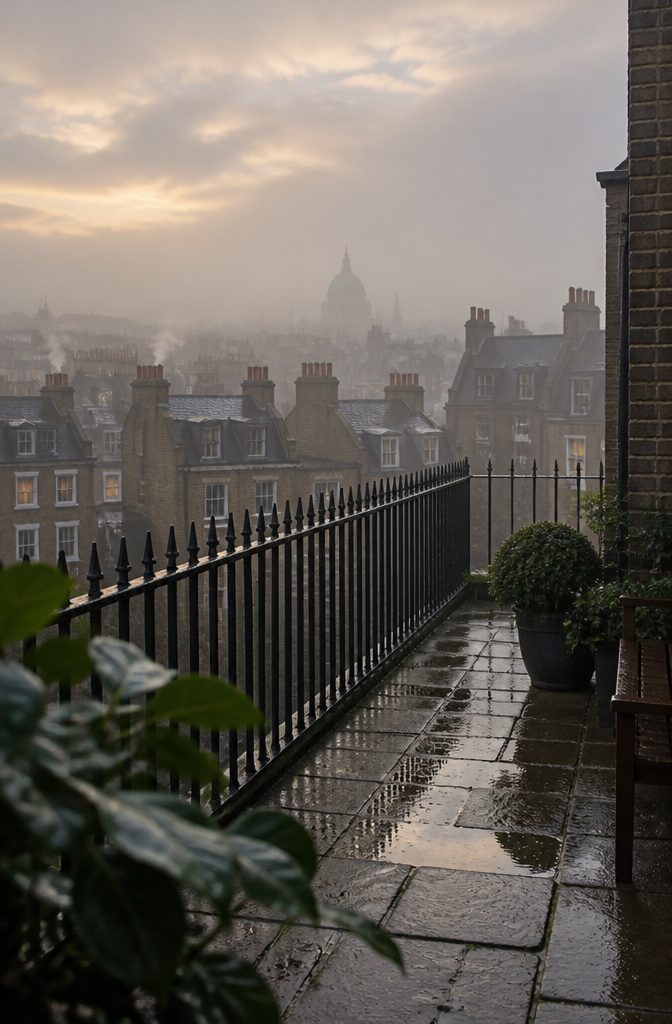
Wilde’s essay The Decay of Lying flips the old idea that art mirrors life, and its date depends on where you look: 1889 in some places, 1891 in others. I won’t pick one.
"Life imitates Art far more than Art imitates Life."
His proof is London fog.
The city had fog for centuries, yet people noticed its loveliness only after poets and painters taught them to see it. Of such effects, Wilde says, "They did not exist till Art had invented them."
The mechanism has two parts. Art hands life forms to express itself in, and it trains the eye on what to notice.
Fog is the cleanest test of the claim, because the weather never changed, only the looking did. Birds, landscapes and beauty get the same treatment from him, and I’ll take those up later.



Plato Against Aristotle
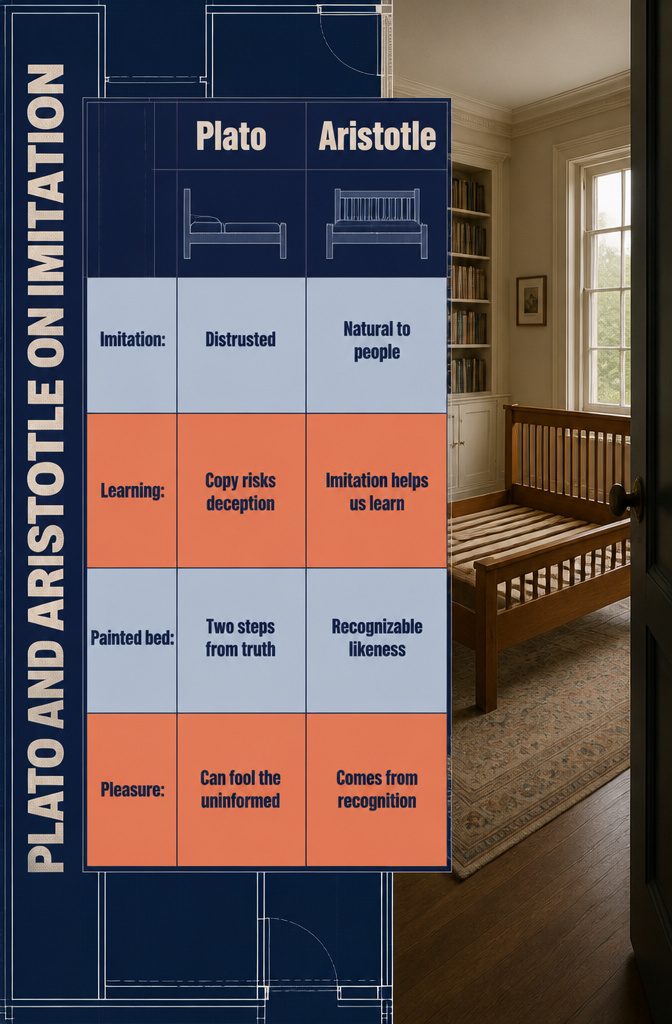
Plato distrusted imitation. A painted bed is a copy of a bed, which is itself a copy of an ideal one, so the artist sits two steps from the truth and can fool people who don’t know better.
Aristotle disagreed. For him, imitation is natural to people and one of the ways we learn, and the pleasure we take in a good copy is the pleasure of recognizing something.
I side with Aristotle, since his view explains why anyone studies a room photo before arranging a shelf.
Aristophanes of Byzantium is credited with turning the question around: does art copy life, or life copy art?
Wilde took the second answer and aimed it at Realism, siding with Romanticism against the idea that art should simply hold up a mirror.


Examples of Art Shaping Life
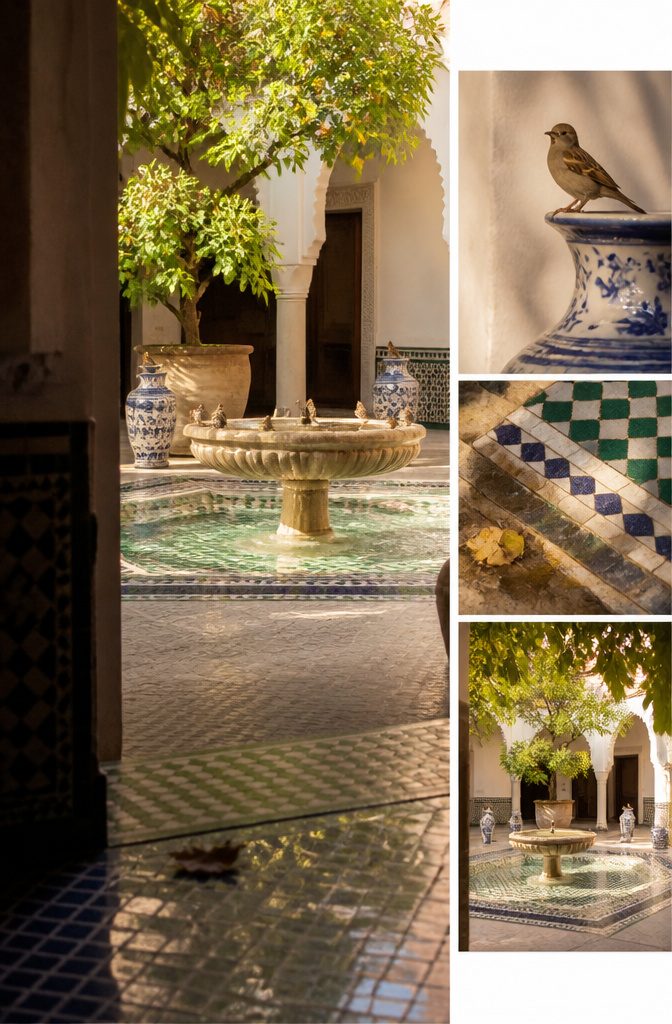
After painting birds, one artist began noticing house buntings perching on the fountain and the ceramic vases of a riad in Morocco. The birds had likely been there all along; the painting trained the eye to see them.
Fiction works the same way on judgment. A reader who has finished a novel about a golfer may read a real golfer’s disappearance through that plot, guessing at motives the story handed over.
At larger scale, our pictures of Louis XIV, Elizabeth I and Henry VIII come mostly from images of them, and the same goes for ideas of romance, beauty and scenery.
Raphael’s The School of Athens (1509–1511) is a good case: many people imagine ancient philosophers as it showed them. I’d say art decides what we notice before we decide for ourselves, and historical memory is often just a well-known picture.

1. [Premium prints] Use high-quality environmentally friendly ink and high-quality canvas, and use the industry's top printers to spray layered, with rich bright colors and clear details, which can keep it long-lasting and non-fading

Life as Material
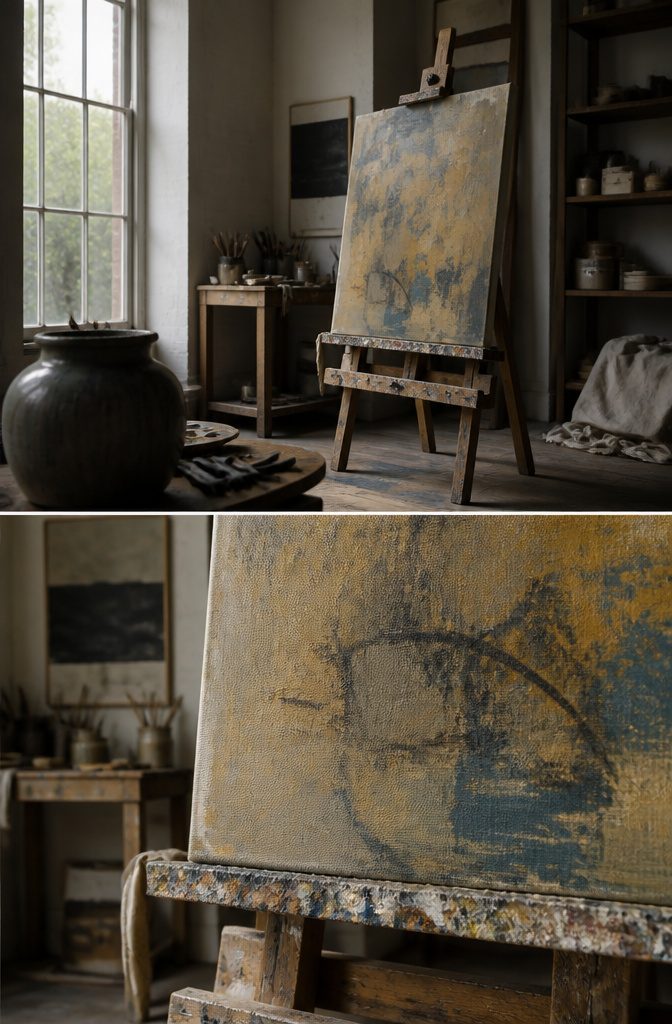
A falling-out, a bad week, a mistake you can’t undo: each becomes subject matter, and the people around you supply the inspiration.
Improvising through an error on a canvas is the same skill as recovering from one at home. Wilde wanted that material changed first:
Life and nature may sometimes be used as a part of art’s rough material, but before they are of any real service to art they must be translated into artistic conventions.
I’d treat your own mess as a starting point, not the finished piece.
Realism does shape what we notice, but art that claims to simply copy reality is lying while claiming not to, as Wilde would put it. Even photojournalism involves choices in framing, lighting and editing.

Features a nude female figure and a swan, set in a lush natural environment with soft lighting.


Performance Art and Everyday Life
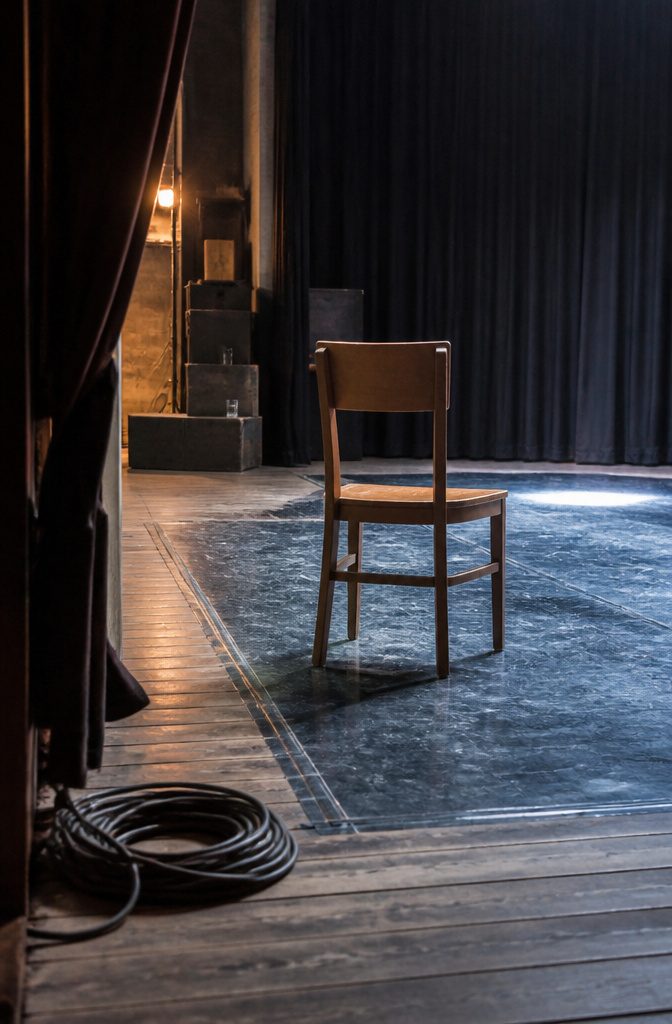
Performance art is living in a chosen way for a period so that an audience sees that time differently.
In Hari Kunzru’s 2024 novel Blue Ruin, Jay is a former art school student who delivers groceries for a living. Every attempt he makes to quit art turns into a performance anyway, so the quitting becomes the work.
Theater shows the same loop. A rehearsal can end up resembling a scene from the play being rehearsed, with the cast’s real behavior echoing the script they are trying to learn.
Outside the theater the influence is quieter. Architecture shapes how people move through a day, metaphors shape how they describe it, and fashion and selfies shape how they present themselves.
Whether your own life counts as performance art is a question I’d leave open. Choosing how you live and having someone watch are the two parts worth weighing.

PREMIUM CANVAS PRINT QUALITY – Printed on high‑quality textured canvas using fade‑resistant inks for rich, lasting color and gallery‑level detail. A durable canvas wall art piece that resists fading and adds depth to any space.


WHIMSICAL & PLAYFUL WALL DECOR - Featuring the cheeky phrase "i see london i see france" on a scalloped label with sage green and beige vertical stripes, this framed canvas adds humor, warmth, and retro personality to any room setting
Baudrillard and Hyperreality
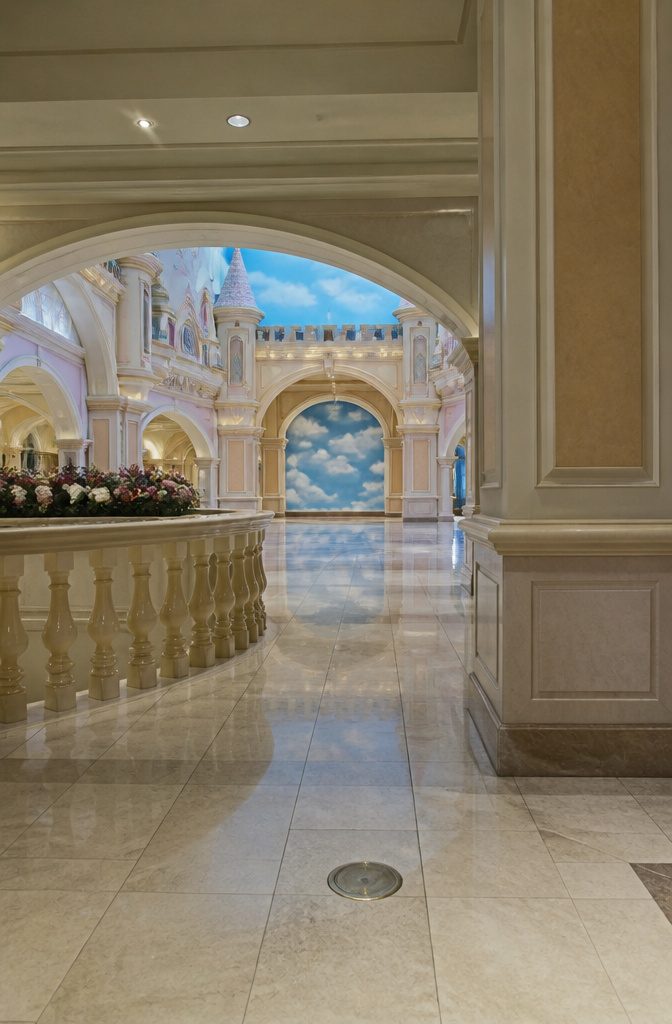
If Wilde’s claim sounds extreme, Jean Baudrillard pushes it further.
His idea of hyperreality describes a condition where the copy no longer points back to anything real and becomes the thing people actually live in. Disneyland is the standard example of a simulacrum: a copy with no original behind it.
It imitates familiar images and fantasies rather than any one place you could visit instead, and once you walk through the gate, the imitation is the experience.
Of the ideas in this article, I find this one the hardest to accept.
Wilde has life following art at a distance, still able to tell which one came first. Baudrillard erases that order, so there is no original left for either side to imitate.
Beauty Over Message
Wilde held that art owes nobody a lesson.
Its value sits in form and beauty, and a work that starts preaching loses its essence. Shaw disagreed, because beauty with no message still gets copied.
He observed that when a certain type of feature is painted and admired, it "presently become[s] common in nature," so the Beatrices and Francescas of one generation’s galleries turn up as the parlor-maids and waitresses of the next.
I side with Wilde on craft and with Shaw on consequences. Shaw thought most imitation of art by life was reprehensible, because people copy the idealized, romanticized version, not the honest one.
A styled room photo works the same way, so ask what the frame left out before you copy its look.


Reflect, Shape, or Both
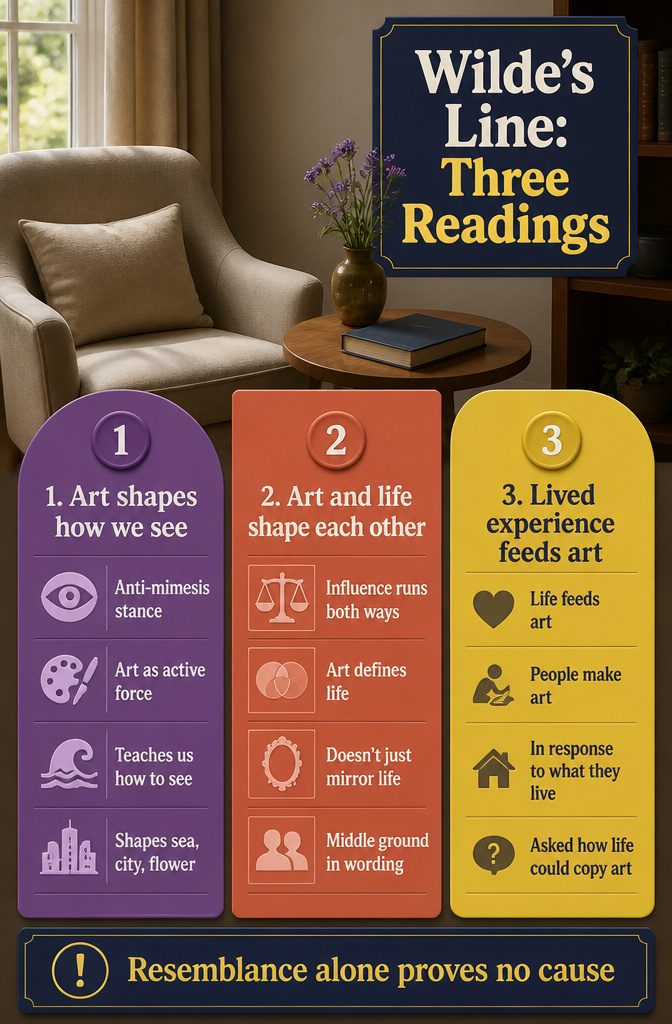
Wilde’s line gets read three ways. The hardest reading treats it as anti-mimesis, the direct opposite of art imitating life: art is an active force that teaches us how to see a sea, a city, a flower.
A softer reading says art doesn’t just mirror life, it also defines it, so influence runs both ways. A third camp stresses life feeding art, since people make art in response to what they live.
I sided with that camp at first, asking how life could copy something humans made. Wilde’s own wording leaves room for the middle: life wants expression, and art supplies the forms.
Pick the both-ways reading if you want the one hardest to knock down, though none of these positions can prove that a particular resemblance was caused by art.


Poster measures 16x24 inches (41x61 cm) and ideal size for any standard 16x24 frame. Low-glare paper minimizes reflections and creates photo quality poster art for your home decor. All poster prints are carefully rolled and packed.

Antique Gold Framed Gothic Art: This item is a highly symbolic surrealist work, with a delicate yet dynamic overall style. Through classical realism, it constructs a surreal allegorical scene, prompting profound reflection on key moments and complex relationships in life
Frequently Asked Questions
What does the saying “art mirrors life” mean?
It means art copies the world around it.
A painting, play or novel looks at everyday experience and reproduces what it sees, so the artwork is the mirror and real life is what stands in front of it. The idea goes back to Aristotle.
What is it called when art imitates life?
It is called mimesis, the Aristotelian idea that art imitates real life. The reverse, where real behavior and events come to resemble art, is called anti-mimesis or life imitating art.
What did Oscar Wilde say about art imitating life?
Wilde argued that the arrow points the other way, writing in his essay The Decay of Lying that "Life imitates Art far more than Art imitates Life."
His example was London fog: the city had it for centuries, but people only noticed its beauty after poets and painters taught them to see it.
Does art imitate life, or does life imitate art?
Both, and the influence runs in two directions. People make art in response to what they live through, and art in turn trains the eye on what to notice and gives life forms to express itself in.
Wilde put more weight on the second direction, but the both-ways reading is the hardest to knock down.
What is performance art?
Performance art is living in a particular way for a set period, anywhere from minutes to years, so that you and your audience see that stretch of life differently.
It is what happens when life imitating art and art imitating life are pushed to their fullest extreme.
Is your life performance art?
That is an open question.
Two things are worth weighing: whether you are deliberately choosing how you live, and whether anyone is watching. Without both, ordinary life is harder to call performance art.