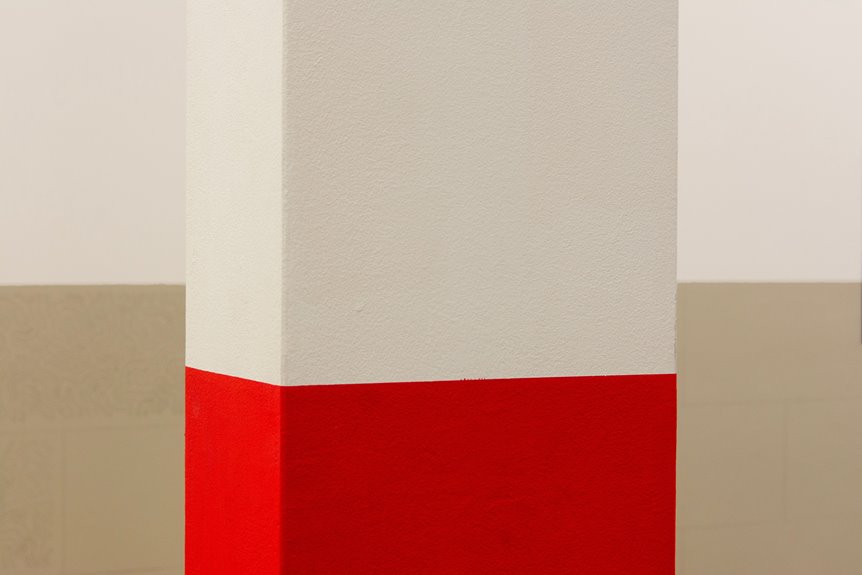
I painted my garage walls after three years of squinting at shadowy corners hunting for a 10mm socket, and I regret waiting so long. That drab drywall was swallowing nearly 40% of my light. Bare walls turn your space into a dim, dusty cave, but a warm white bounces brightness everywhere, making the whole place feel bigger, cleaner, and actually part of your home. Whether you’re storing decorations, tinkering with engines, or building a proper workshop, paint transforms everything. Pick light colors for visibility, satin or semi-gloss for easy wipe-downs, and don’t skip the primer unless you love doing things twice. Your future self will find that socket on the first try instead of hunting for it.
Should You Paint Your Garage Walls or Leave Them Bare?

Why does every garage decision feel like I’m choosing between “functional cave” and “accidentally trendy”?
I’ve been staring at my bare walls wondering if paint color really matters. Dark shades turn your space into that dreaded cave, swallowing garage lighting and killing brightness. One friend painted everything black and learned the hard way. Light colors bounce light around, make the room feel bigger, and create a more welcoming atmosphere.
For durability, consider epoxy coating. It’s tough, low maintenance, and wipes clean. An accent wall offers a compromise if you’re hesitant about committing to a full color change. Lighter garage walls create a noticeably brighter and more functional space.

Ideal for use on interior/exterior surfaces including wood, plastic, plaster, metal, masonry and unglazed ceramic

Use for a variety of indoor and outdoor project surfaces including wood, metal, plaster, masonry or unglazed ceramic

PAINT & PRIMER IN ONE – Pure White Semi Gloss acrylic paint combines paint and primer in one formula, delivering strong adhesion, smooth finish and easy application while reducing project time.
What Painting Your Garage Actually Costs (and What Saves Money)
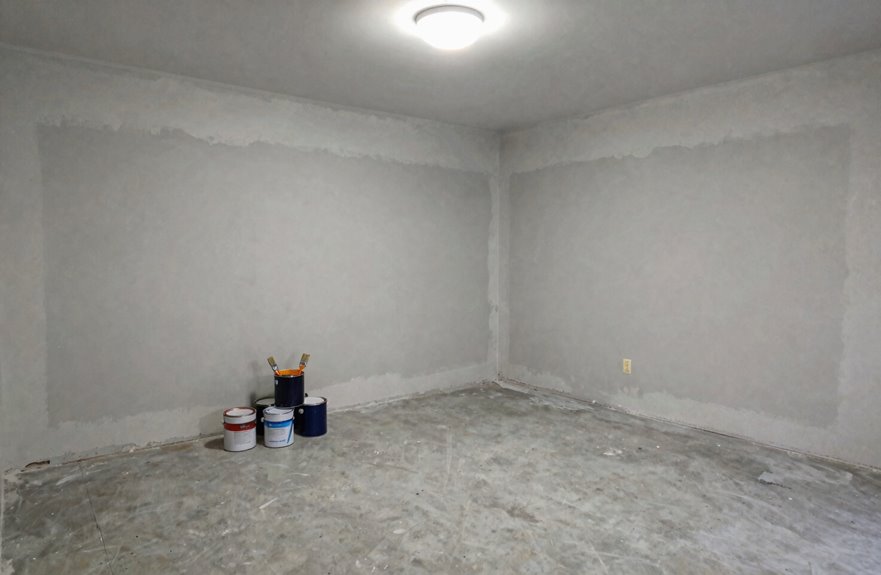
- Primer’s non-negotiable. Skip it on unprimed drywall, and you’ll watch paint disappear like water into sand, requiring extra coats that increase expenses.
- DIY costs vs. professional painting. Professionals provide surface prep, deglossing, floor protection, and a warranty that covers defects and workmanship issues.
- Material choices matter. Acrylic latex reduces long-term touch-ups, though epoxy floors remain popular in high-end projects.
Between primer, surface prep, and multiple coats, cost savings come from doing it right once, not twice. Skipping proper preparation typically means repainting within a few years, doubling your actual expense.
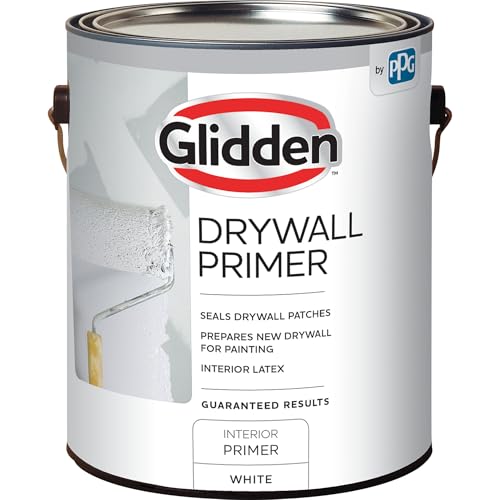
Seals drywall patches
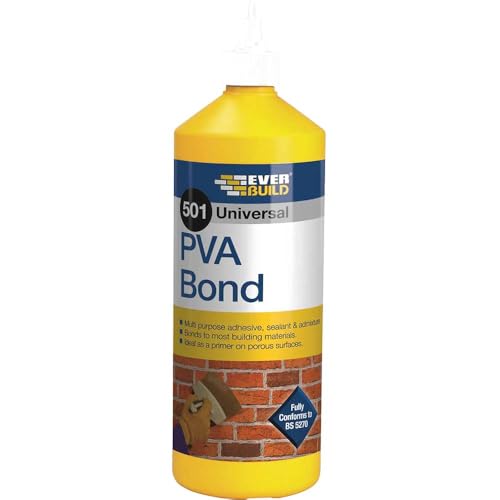
UPDATED BRAND – Product previously know as Everbuild 501 Universal PVA Bond

The product is SR GAL INT LTX Primer
How to Prep Garage Walls Before You Paint
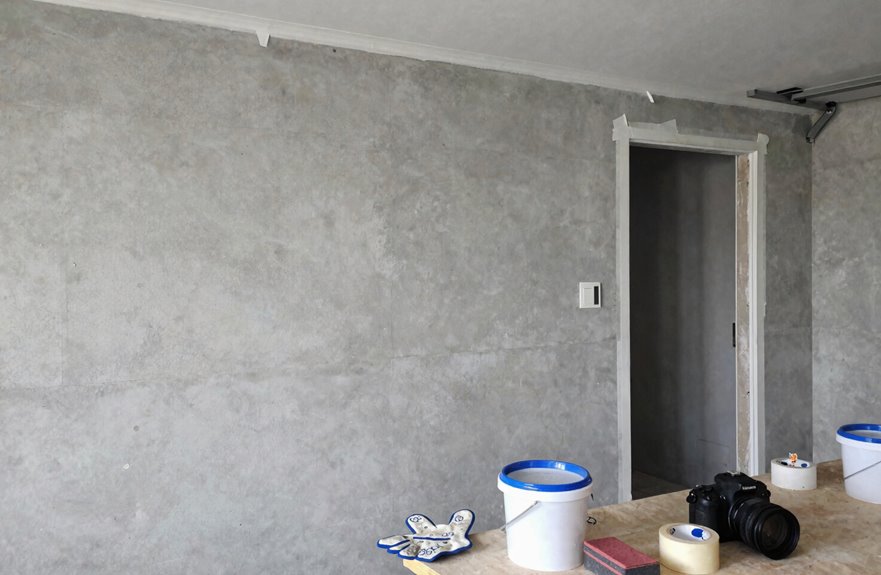
I’ve learned the hard way that all the money spent on primer and decent paint means nothing if the walls aren’t prepped properly first. Let’s focus on doing this prep work correctly.
First, determine the paint type with a quick test area. Rub alcohol on a Q-tip on the surface. If color comes off, use a latex undercoat; if not, use oil-based primer. For bare drywall, apply a PVA drywall primer to seal pores, as skipping this step allows the finish coat to be absorbed unevenly. For stained surfaces, prime the area or apply a double coat to prevent discoloration from showing through the final paint.
Here’s the prep sequence:
| Prep Step | Method |
|---|---|
| Test area | Alcohol Q-tip trick for paint type |
| Bare drywall | PVA drywall primer to seal pores |
| Staining | Prime, or double-coat those areas |
| Final coat | Even coverage, proper dry time |
Proper surface preparation directly determines the durability and appearance of your finished paint job.

【 HYPER WIPES 】 Textured Hyper Wipes are tough on the grimiest grime but oh so gentle on hands. Textured Hyper Wipes are perfect for scrubbing tough messes on tough surfaces. Get Hyper clean, Hyper fast with Hyper Wipes.

HEAVY-DUTY DUAL-SIDED WIPES FOR ENHANCED SCRUBBING - Smooth on one side with agitation dots, our heavy-duty wet wipes provide superior scrubbing power and are 20% larger and more absorbent than other grime wipes. Proudly made in the USA.

Advanced Dirt-Trapping Mesh: Special dual-textured towels lock in grime so dirt is never smeared back onto cleaned areas.
Which Paint Finishes Actually Hold Up in Garages
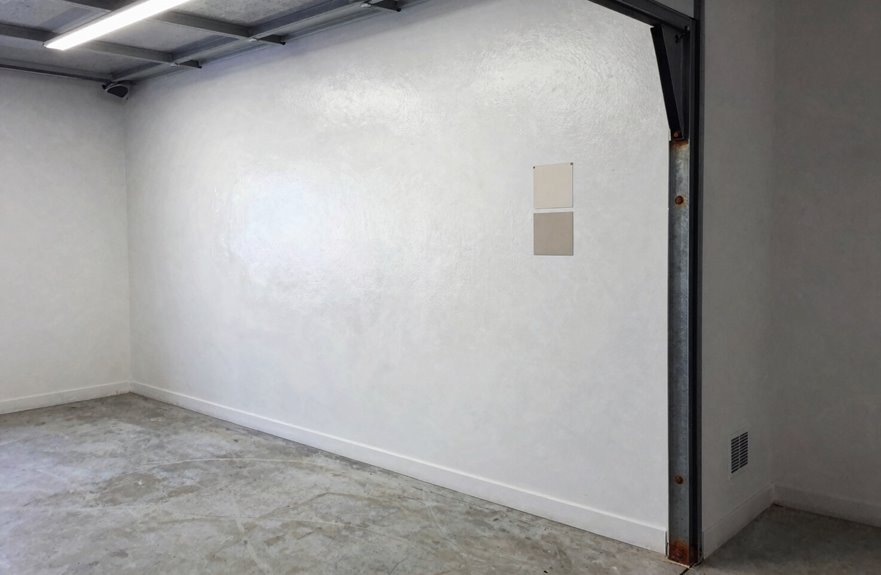
I learned the hard way that flat paint in a garage is basically a dirt magnet with a death wish, so now I’m all about semi-gloss or satin finishes. They bounce light around the space and let me wipe off tire scuff marks without difficulty. When it comes to epoxy, it’s the top performer for garage floors, delivering that shiny, showroom look. Epoxy-based wall paints deserve consideration too because they resist oil stains and spray-on grime effectively. Gloss versus satin isn’t just a technical choice; it’s the difference between a garage that looks freshly cleaned versus one that shows signs of heavy use with muddy mountain bikes, which I have experience with firsthand.

Get ultimate hiding power indoors and out with Zinsser Cover Stain Primer
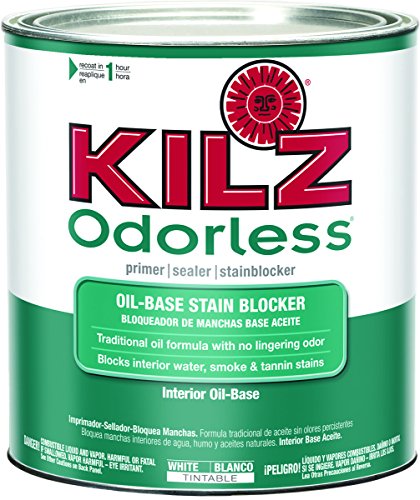
Seals and blocks interior stains and odors

INTERIOR PAINT APPLICATION: Designed for use on interior surfaces like drywall, masonry, and metal. Ideal for house paint projects needing a durable, gloss white finish with low odor.
Gloss Versus Satin
Why does paint finish matter so much in a garage, of all places? Because you’re not just painting walls, you’re creating a workspace that functions properly, and the wrong sheen turns every overhead light into an interrogation.
Testing finishes in a messy, tool-crammed garage reveals clear differences:
- Satin finish provides excellent washability without blinding reflections. Your eyes will benefit during late-night projects.
- Semi-gloss handles cleanup effectively in moisture-prone corners where condensation gathers and offers durability that resists minor bumps.
- Gloss paints offer superior wear resistance, but every scratch becomes visible.
For high-traffic zones, satin with an epoxy topcoat delivers glare control combined with durable protection.
Epoxy Durability Benefits
How many times have you leaned your bike against the wall only to find a permanent, oily smudge staring back at you? Wall durability that actually works is essential.
Epoxy floor coatings get all the glory, but your walls deserve that same toughness. Acrylic latex with semi-gloss finish delivers superior moisture resistance and handles temperature fluctuations that compromise other paints. Surface preparation is critical. PVA primer on bare drywall ensures proper primer compatibility and adhesion.
Skipping proper coats leads to premature failure. Long-term maintenance becomes manageable when you build that foundation correctly. This combination transforms your garage from a neglected space into a functional, protected showpiece.
What Color Should I Paint My Garage (By How I Use It)?

So you’ve finally decided to paint those garage walls, and now you’re staring at a sea of swatches wondering where to begin. Your garage’s purpose should drive every brushstroke.
For a working area, light colors such as off-white, soft gray, and pale blue improve visibility and reduce eye strain during late-night projects. If your space is storage-heavy, neutral tones like beige or greige hide dirt while keeping things bright.
Here’s the practical breakdown:
- Workshop warriors: Light colors win, period.
- Car display dreamers: Go bold with charcoal or navy for that showroom drama.
- Multi-taskers: Try color zoning with a two-tone scheme, maybe an accent wall, balancing personality and practicality.

Made in United States

BRUSH ON PAINT – Krylon COLORmaxx Acrylic Latex Brush On Paint delivers premium coverage and superior color with adhesion and durability. This acrylic latex paint can be used on wood, metal, wicker, plastic/ceramic, wrought iron, drywall and masonry.

Use for a variety of indoor and outdoor project surfaces including wood, metal, plaster, masonry or unglazed ceramic
Why Black Garage Walls Backfire (and When Dark Colors Work)
Where do I even start with my black garage wall phase? Because yes, I actually did this, and yes, I learned the hard way. I thought I’d look edgy and dramatic, like something from a design magazine, but instead I got a cave. My workspace visibility tanked, my tools disappeared into shadows, and I was suddenly dependent on artificial lighting just to find a screwdriver.
Dark colors absorb light. This is measurable and real. Black walls turned my garage into a light-hungry void. I bumped into everything, squinted constantly, and felt claustrophobic.
An accent wall is different. That single black wall behind my workbench adds depth, contrast, and drama without sacrificing practicality. Garage lighting can finally function properly. Dark colors work when they serve as punctuation rather than the entire design.

Includes 30 featured and newest released color card. Sprayed on color to see our colors in your homes lighting for more accurate color choices.

Quality Paint and Primer in One

Ideal for updating outdated flooring at a fraction of the cost of replacement and adheres without stripping, sanding or priming
How to Match Garage Wall Colors to Your Home’s Interior
Why does my garage still feel like it belongs to someone else’s house? Staring at walls that scream “afterthought” while my living room whispers “welcome home” is frustrating. The fix is a cohesive color scheme that actually connects.
Here’s how to bridge that gap:
- Start with neutral tones such as greige, soft white, or taupe because they’re the ultimate peacemakers between spaces.
- Coordinate with your interior by matching siding, trim, and roof colors from your home’s exterior. Suddenly the garage wall color belongs to your home.
- Use two or three main shades maximum, stealing cues from lighting and flooring inside so the transition between spaces feels seamless.
For gallery or workspace accents, splash one wall in charcoal or navy while keeping neighboring walls light. This approach provides coordination without visual chaos and creates a unified home aesthetic.
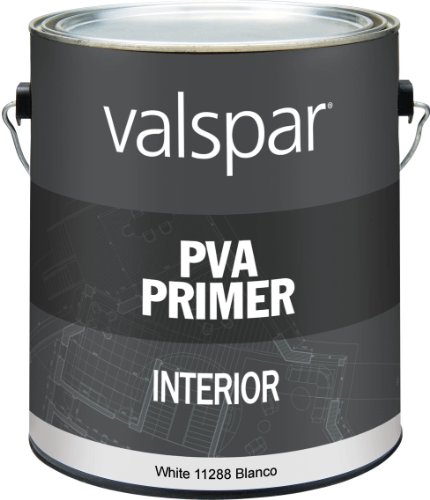
Seals unpainted drywall and plaster

【Precautions】⚠️ 1.Coverage Only: This is a concealing liquid, not a filler. It cannot fill dents or holes.2.Pure white. Patch test first, as it may not match yellowed surfaces.

Innovative Water-Based Sealer/Primer: Draw Tite Penetrating Sealer/Primer is a unique water-based solution, perfect for sealing damaged drywall, shredded or gouged surfaces before applying repair compounds.