
I’ve rescued enough musty mid-century dressers and smoke-laden credenzas from estate sales to know that funky wood furniture isn’t a death sentence. It’s just a puzzle with five very solvable steps.
First, air everything out with fans blasting and windows wide open, because fresh air is free and it works. Then dump baking soda in drawers and tuck charcoal pouches behind panels. Those products are effective odor absorbers.
For the deep clean, use vinegar or Murphy’s oil soap with a damp sponge, never soaked, because water can warp wood. If the smell persists, apply shellac-based primer, specifically BIN, which seals odors completely. The final step involves additional airing and sun exposure.
This five-step process will restore your piece to its original condition and remove all odors effectively.
Why Your Wood Furniture Smells (And How to Remove It)

Ever wonder why that gorgeous mid-century dresser you scored at the estate sale smells like your grandma’s basement had a baby with a wet dog. That musty smell is moisture accumulating in your wood furniture.
The solution involves several steps. First, increase ventilation and maximize sun exposure. UV rays naturally deodorize wood. Then treat surfaces with diluted white vinegar, wiping gently to neutralize odor-causing particles without damaging the grain.
For stubborn odors, fill drawers with baking soda, charcoal, or other odor absorbers. The key is patience and addressing moisture from multiple angles. That thrifted credenza will improve with consistent treatment.

Use What The Pros Use: Whether it’s smoke, urine, sweat, food, or pet odors, Odorcide odor neutralizer spray will eliminate odors of all kinds! Odorcide 210 home odor eliminator spray comes ready to use for easy and fast-acting odor elimination. This pet, urine, and smoke odor eliminator spray can be used safely on carpets, upholstery, hardwood, and all other surfaces.
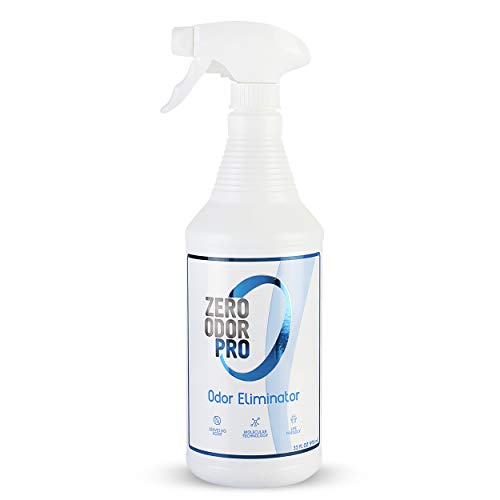
ZERO ODOR 32 oz. PRO Odor Eliminator Spray PL1320006

Use What the Pros Use: Whether it’s smoke, urine, sweat, food, or pet odors, Odorcide odor neutralizer spray will eliminate odors of all kinds! Odorcide 210 home odor eliminator spray comes ready-to-use for easy, fast-acting odor elimination with a new, fresh scent. This pet, urine, and smoke odor eliminator spray can be used safely on carpets, upholstery, hardwood, and all other surfaces.
Air Out Wood Furniture Before Cleaning

Before scrubbing that gorgeous teak sideboard found curbside last spring (the one with questionable stains and the aroma of forgotten dreams), drag it outside. Nothing eliminates that musty, closed-up funk like fresh air and sunshine working together.
Outdoor airing is the first move when weather cooperates, letting that wooden furniture soak up golden rays for hours. No yard. Open those windows wide, crank the fans, and create serious airflow through every crack. Cross-ventilation works best: breeze blasting from opposite directions, swapping stale for fresh air. Ventilation time matters. Plan for several hours daily minimum, or that musty odor will linger.
| Airing Method | Best For |
|---|---|
| Full outdoor airing | Small tables, chairs, nightstands |
| Windows open + fans | Apartments, rainy days |
| Cross-ventilation setup | Built-ins, heavy dressers |
| Extended daily airflow | Stubborn, deeply set odors |
For big solid wood wardrobes, position fans strategically rather than risk strain from moving heavy pieces.

SMALL-SPACE ODOR CONTROL: OdorBusterz are designed to help control everyday odors in the tight spaces where they build up most, closets, drawers, hampers, lockers, gym bags, and storage bins.

SMALL-SPACE ODOR CONTROL: OdorBusterz are designed to help control everyday odors in the tight spaces where they build up most, closets, drawers, hampers, lockers, gym bags, and storage bins.

SMALL-SPACE ODOR CONTROL: OdorBusterz are designed to help control everyday odors in the tight spaces where they build up most, closets, drawers, hampers, lockers, gym bags, and storage bins.
Absorb Odors With Baking Soda or Charcoal

A few tablespoons of baking soda works effectively for odor absorption. Sprinkle it across drawers and let it sit overnight, or longer if the musty smell persists, then you’ll notice actual results.
Charcoal is highly effective for deeper odor absorption. Tuck little fabric pouches of this porous material into corners, behind panels, and anywhere wood furniture holds odors. Containers prevent black dust from spreading; this saves you from cleanup issues.
Refresh, recharge, and replace these absorbers when they become saturated. Pair your odor absorption efforts with real ventilation by cracking windows open. This combined approach effectively eliminates musty odors.

Packing Quantity: Our activated carbon deodorant pack contains 12 pcs, compared with other charcoal deodorizer bags our aired purifying bags are more economical in quantity. Bamboo charcoal airring purification bags can change the aired you breathe.

POWERFUL SHOE ODOR ABSORBERS. Our 1.76oz activated charcoal bags utilize adsorption, where millions of micropores physically bind odor molecules to the surface. These charcoal bags for shoes are scientifically effective charcoal shoe inserts for footwear.
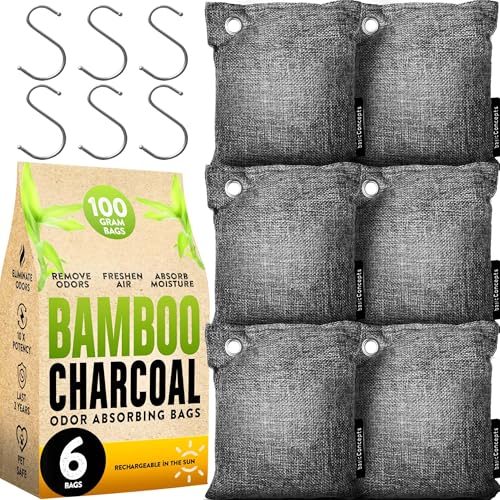
🚫 Remove Bad Odors - Freshen up your car, home or even shoes with our charcoal odor absorber. This bamboo charcoal air purifying bag act as a natural odor eliminator to remove unwanted smells. Think of your activated bamboo charcoal bags like sponges that absorb odor and freshen the air. This makes a perfect cat odor eliminator for home, basement odor eliminator, and air deodorizer odor eliminator.
Clean Wood Surfaces With Vinegar or Wood Soap

Once you’ve pulled out those baking soda boxes or charcoal pouches, it’s time to get hands-on with the actual wood. I mix white vinegar with water using basic kitchen ingredients, and with a damp sponge in hand, I wipe every drawer, every shelf, and every hidden corner where bacteria accumulate.
| What I’m Using | Why It Works |
|---|---|
| White vinegar solution | Kills bacteria, kicks off odor removal |
| Wood soap (like Murphy’s!) | Gentle clean wood surfaces without stripping |
| Damp sponge, not soaked | Helps avoid over-wetting, prevents warping |
| Open windows, fans blasting | Ventilation dries everything fast, fresh |
Too much liquid can bubble up the finish. Ventilation is essential for drying everything quickly. If the smell persists after drying, additional odor-removal methods are available to address stubborn odors.

Cleans & Renews Wood: Helps remove everyday dirt and buildup while restoring a clean, refreshed appearance.
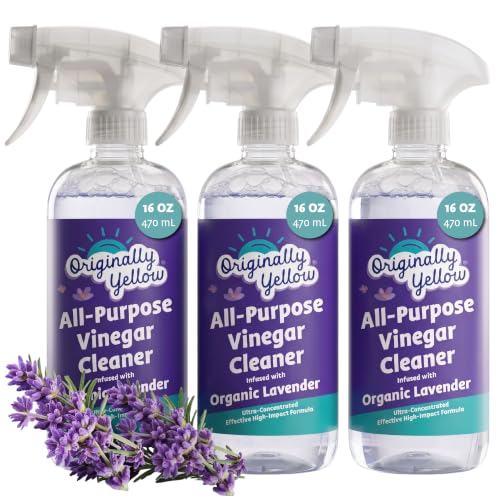
ALL-PURPOSE VINEGAR FOR CLEANING SPRAY - There’s nothing quite like a great all purpose cleaner spray for those quick cleanup tasks around the house. Originally Yellow’s vinegar spray combines the power of natural distilled white vinegar with certified organic lemon extract for a clean you can see, touch, and smell! No lingering vinegar odor, just a lemony-fresh aroma that will leave your home feeling squeaky clean.

EFFECTIVE ON ALL WOOD SURFACES and QUICK DRYING: Furniture Clinic Wood Stain is a fast drying and highly concentrated wood stain making it effective on all indoor and outdoor wood surfaces. Our wood stain provides excellent coverage and ensures even color penetration. It's water based, environmentally friendly, and dries to a natural matte finish in only 10 minutes.
Seal Lingering Wood Smells With Shellac-Based Primer

Why shellac? Because water-based products don’t provide adequate odor-blocking performance when dealing with stubborn wood furniture odors.
Water-based primers fall short against stubborn wood furniture odors—shellac is the only reliable barrier.
I reach for shellac-based primer, BIN being the most effective option, when lingering odors persist. This product creates an odor barrier that traps those odor molecules before they escape back into your space. I apply it to every inside surface without shortcuts, because incomplete coverage allows odors to return.
The odor-blocking performance outperforms other products on the market. I’ve tested numerous alternatives.
After coating, prioritize drying and ventilation by opening windows and running fans. This waiting period allows the primer to fully cure and seal the odors. Your vintage furniture requires this level of attention for lasting results.

Ideal for use to kill pesky odors on all painted or unpainted interior surfaces including subfloor, wood floors, cabinets, plaster, drywall, metal, masonry, PVC and more

Ideal for use to kill pesky odors on all painted or unpainted interior surfaces including subfloors, wood floors, cabinets, plaster, drywall, metal, masonry, PVC and more